
Most families put off estate settlement planning until it’s too late, leaving behind confusion and conflict. We at Family, Estate & Mediation Law understand that settling an estate involves far more than paperwork-it requires strategy, timing, and attention to detail.
This guide walks you through the process step by step, showing you how to avoid costly mistakes and protect what matters most to your family.
What Estate Settlement Actually Means
Estate settlement is the legal and financial process of winding down a person’s financial affairs after death. It involves locating assets, paying debts and taxes, and distributing what remains to beneficiaries or heirs. This differs fundamentally from estate planning, which happens while you’re alive. Settlement occurs after death and focuses on executing what was already planned or, if no plan exists, following state intestacy laws. The process can take anywhere from nine to eighteen months depending on your state and the complexity of your assets, according to research from Nolo. Many people conflate settlement with probate, but probate is just one part of settlement-the court-supervised portion. If your assets are held in a trust or pass outside probate through beneficiary designations, settlement still happens, just without court involvement.
Why Most People Get This Wrong
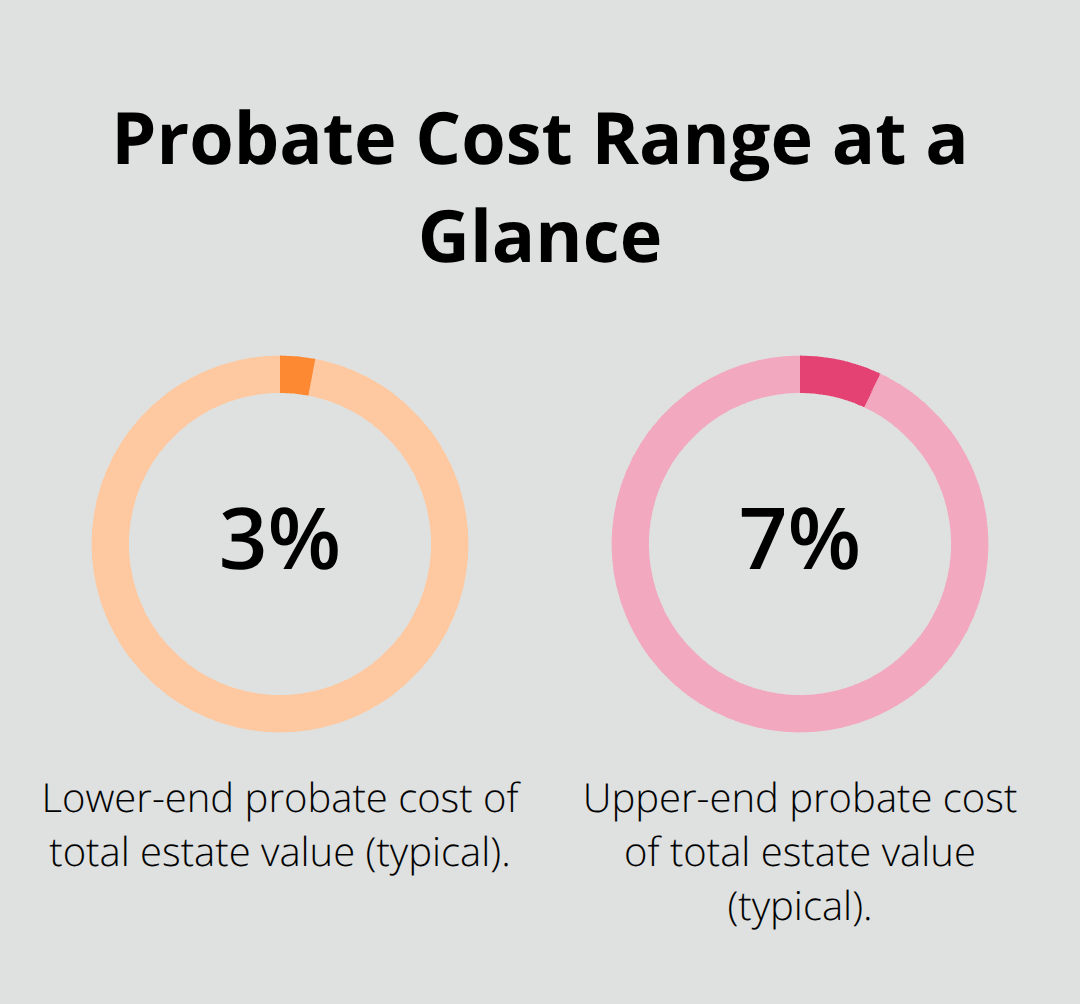
People commonly believe that settlement is quick and straightforward. The reality is far messier. Probate costs typically range from three to seven percent of estate value, according to the American Bar Association, which means a million-dollar estate could drain thirty to seventy thousand dollars just to wind down.
Another widespread misconception is that settlement primarily involves dividing personal items-furniture, jewelry, family heirlooms. While these matter emotionally, settlement actually centers on locating bank accounts, investment portfolios, retirement funds, business interests, and property titles. Digital assets add another layer of complexity that most families overlook entirely. Many people maintain cryptocurrency, online banking accounts, social media profiles, and cloud storage containing important documents. Without an inventory of these accounts and access credentials, your executor could spend months or years trying to locate everything.
Planning Ahead Stops Expensive Delays and Family Conflict
Families that start settlement planning years in advance experience dramatically different outcomes than those scrambling after death. When you maintain an organized asset inventory now-listing every account, property deed, insurance policy, and digital asset location-your executor gains immediate authority and clarity. This single step can shave months off settlement and prevent disputes over who owns what. Clear communication with heirs before your death is equally powerful. Research from Forbes Advisor shows that families who discuss asset allocation beforehand experience significantly fewer conflicts during settlement. If you own items of sentimental value, meeting with family in advance to discuss who should receive what removes the guesswork and resentment that often surfaces later. Documenting your reasoning for unequal distributions also prevents challenges. If one child received the family business while another received cash, writing down why protects against legal disputes that can drain the estate further.
What Happens Without Preparation
Families who skip this groundwork face settlement processes that spiral into conflict and expense. Your executor struggles to locate accounts and assets, which extends the timeline significantly. Heirs argue over personal property because no one documented your wishes. Creditors and tax authorities make claims against the estate while your family waits for resolution. These delays compound the emotional toll of loss with financial stress and legal uncertainty. The settlement process becomes a source of family tension rather than a path toward closure.
Moving Forward With Clarity
Understanding what settlement truly involves-and what it costs-shifts how you approach your own planning. The next section walks you through the specific steps your executor will take to settle your estate, and how you can set them up for success.
Key Steps in the Estate Settlement Process
Locating and Inventorying Assets and Liabilities
Settlement begins the moment your executor or trustee takes on authority, which typically occurs within days of death. The first critical action is locating every asset your estate owns-bank accounts, investment portfolios, real estate, vehicles, retirement accounts, insurance policies, and business interests. Create a comprehensive asset inventory that lists account numbers, financial institutions, approximate values, and how each asset is titled. This inventory becomes your settlement roadmap. Without it, your executor wastes weeks or months tracking down forgotten accounts, missed insurance policies, or overlooked rental properties.
According to Fidelity Investments, maintaining an up-to-date inventory of assets, debts, and beneficiary information accelerates settlement significantly. Your executor should also immediately identify all liabilities-mortgage balances, credit card debt, outstanding loans, and unpaid taxes. Many families discover hidden debts during settlement that strain the estate’s liquidity.
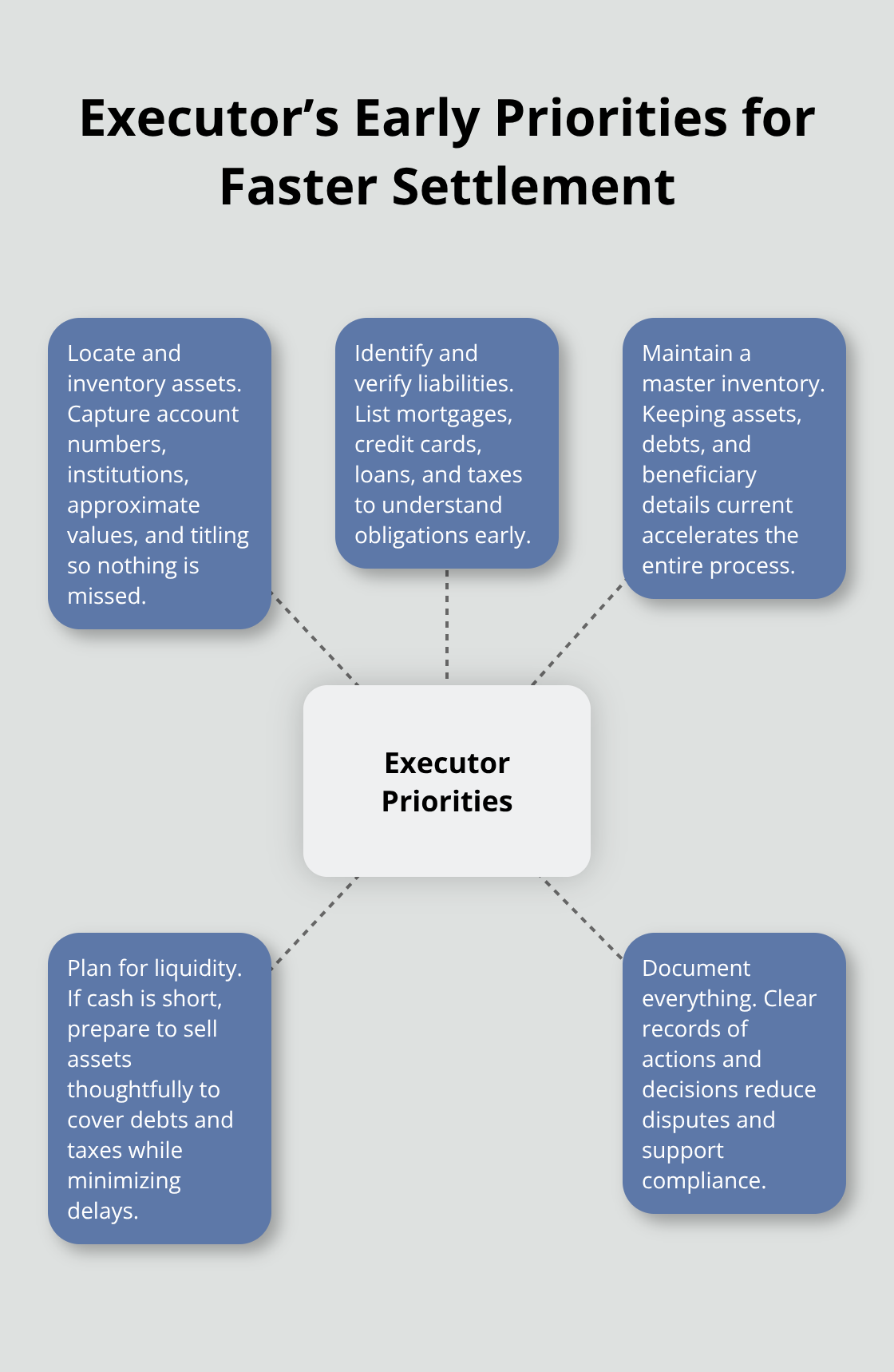
If your estate lacks sufficient liquid assets to cover these obligations, your executor may need to sell property, which creates delays and potential tax complications.
Understanding Your Settlement Path
The settlement process splits into two paths depending on your asset structure. If assets are held in a revocable living trust or pass through beneficiary designations on retirement accounts and life insurance, settlement avoids probate court entirely. Assets transfer directly to beneficiaries outside the probate system, typically within weeks rather than months. If you left a will or held significant assets in your individual name, your estate enters formal probate, which according to Nolo takes nine to eighteen months on average and costs three to seven percent of estate value.
During probate, the court appoints your personal representative, who then publishes notices to creditors, collects assets, pays claims, and distributes what remains to heirs. This court involvement adds time and expense but also provides legal oversight that protects beneficiaries and creditors alike.
Managing Tax Obligations and Creditor Claims
Tax obligations and creditor claims demand immediate attention because they take priority over distributions to beneficiaries. Your executor must file a final income tax return for the decedent and potentially a federal estate tax return if your estate exceeds the current exemption threshold. The Internal Revenue Service has set this threshold at a high level that shields most families from federal estate tax. State-level estate or inheritance taxes vary dramatically-some states impose no tax while others levy significant obligations-so your executor should consult your state’s specific rules early in settlement.
Creditors have a defined window to file claims, typically three to six months depending on state law, and your executor must notify known creditors to protect the estate from surprise claims years later. Many executors make the mistake of distributing assets to beneficiaries before all tax returns are filed and all creditor claims are resolved, which exposes them to personal liability if the estate later discovers unpaid obligations. The safest approach is to retain sufficient liquid assets in the estate account until you receive tax clearance from the IRS and confirmation that the creditor claim period has expired. This holding period adds time but protects your executor from being personally sued by creditors or the tax authorities.
Maintaining Records Throughout Settlement
Throughout settlement, your executor maintains detailed records of every transaction, payment, and distribution. These records protect the executor from accusations of mismanagement and provide documentation if disputes arise among beneficiaries. Proper documentation also demonstrates to the IRS and state tax authorities that your executor handled the estate responsibly. With assets located, liabilities identified, and tax obligations mapped out, your executor can now focus on the specific mistakes that derail many settlements-oversights that the next section addresses directly.
How to Avoid Common Estate Settlement Mistakes
Outdated Beneficiary Designations Create Immediate Chaos
Beneficiary designations on retirement accounts and life insurance policies override your will completely, which means outdated designations create immediate settlement chaos. If you named an ex-spouse as beneficiary on a five-hundred-thousand-dollar life insurance policy but never updated it after divorce, that ex receives the full amount regardless of what your will states. The Internal Revenue Service notes that beneficiary designations must align with your overall estate plan, yet most people set them once and forget them entirely. Your executor cannot simply redirect these assets to your intended heirs without court involvement and significant delay.
Update beneficiary designations every three to four years or immediately after major life changes like marriage, divorce, or the birth of children. Pull statements from every retirement account, life insurance policy, and payable-on-death bank account, then verify the listed beneficiary matches your current wishes. This single task takes a few hours but prevents months of probate litigation and thousands in legal fees.
Digital Assets Leave Your Executor Stranded
Digital assets present a settlement nightmare that most families ignore until it’s too late. Your executor cannot access your email, social media accounts, cryptocurrency wallets, or cloud storage without documented access credentials and legal authority. Many people maintain important documents in cloud services like Google Drive or Dropbox, yet their heirs have no way to locate or retrieve them after death. Financial accounts held at online-only banks require username and password information that sits nowhere accessible.
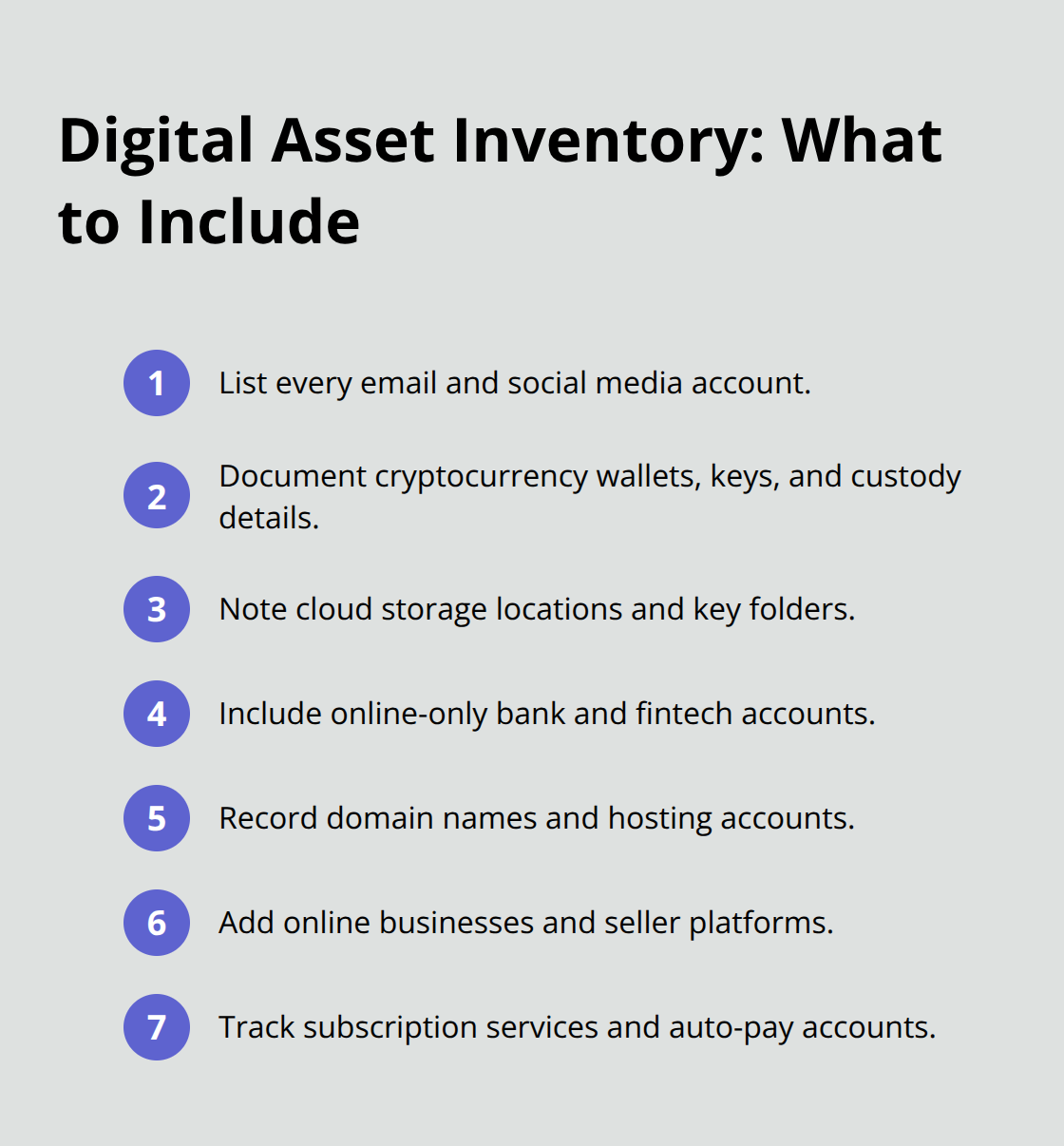
Create a digital asset inventory now that lists every online account, the platform where it’s held, the approximate value, and documented access instructions stored securely with your other important papers. Include cryptocurrency holdings, domain names, online businesses, and subscription services that heirs might not know about. Share access details with your executor or attorney in a secure format, such as a password manager with delegated access or a sealed envelope held by your attorney.
Unnecessary Delays Drain Your Estate Through Professional Fees
Delays in settlement drain your estate through unnecessary professional fees and compound family stress during an already difficult period. Many executors hesitate to act quickly because they fear making mistakes, so they hold assets in limbo for months waiting for perfect clarity. The reality is that your executor should lodge the will with probate court and notify known creditors within weeks of death.
Starting the settlement process promptly ensures someone has legal authority and minimizes delays significantly. Creditor claim periods typically expire within three to six months depending on your state, so waiting longer than that unnecessarily extends the entire settlement timeline. Your executor should also file the final income tax return for the decedent within nine months of death to avoid IRS penalties. Many families miss these deadlines simply because no one tracked them or understood the urgency.
Create a settlement timeline document now that lists all key deadlines, then share it with your executor so they understand the pace required. This document becomes your executor’s roadmap, preventing the paralysis that causes unnecessary delays.
Final Thoughts
Estate settlement planning requires coordination across legal, financial, and personal domains, which is why families benefit from working with professionals who understand the full scope of what settlement involves. When you attempt settlement alone, you risk missing deadlines, overlooking assets, mishandling tax obligations, and creating family conflict that could have been prevented with proper guidance upfront. The difference between a smooth settlement and a fractured one often comes down to preparation and professional support.
Starting your estate settlement planning now-while you can still organize your assets, document your wishes, and communicate with family-removes enormous pressure from your executor later. If you already have an estate plan in place, reviewing it with our team at Family, Estate & Mediation Law ensures your settlement path is clear and your executor has everything needed to act decisively. We guide your executor through each step, manage communications with creditors and tax authorities, and help resolve disputes before they escalate into costly litigation.
Your legacy extends beyond the assets you leave behind; it includes how your family experiences the settlement process and whether they emerge from it stronger or divided. We help families protect both by bringing practical strategy and sensitivity to the relationships at stake. Contact Family, Estate & Mediation Law to discuss your estate settlement planning and ensure your wishes are executed exactly as you intend.