
Losing a loved one is hard enough without navigating the Florida probate process alone. Many families find themselves confused by court deadlines, paperwork requirements, and decisions that affect their inheritance.
At Family, Estate & Mediation Law, we’ve guided hundreds of families through probate in St. Augustine and Palatka. This guide walks you through each step so you understand what’s happening and what comes next.
Understanding Florida Probate Basics
Losing a loved one is hard enough without navigating the Florida probate process alone. Many families find themselves confused by court deadlines, paperwork requirements, and decisions that affect their inheritance. This chapter walks you through what probate actually is, who manages it, and how long the process typically takes.
What Probate Is and Why It Matters
Probate in Florida is the court process that transfers a deceased person’s assets to their heirs or beneficiaries. When someone dies owning property solely in their name-a house, bank account, or investment portfolio-that property does not automatically pass to family members. Instead, it enters probate, where a Florida court supervises the transfer. According to Florida Statutes Chapters 731–735, this process includes identifying assets, paying debts and taxes, and distributing what remains.
The reason probate matters is straightforward: without it, creditors have no way to get paid, taxes go unfiled, and beneficiaries end up in legal limbo. Many families assume their loved one’s assets will pass directly to them, only to discover months later that probate is required.
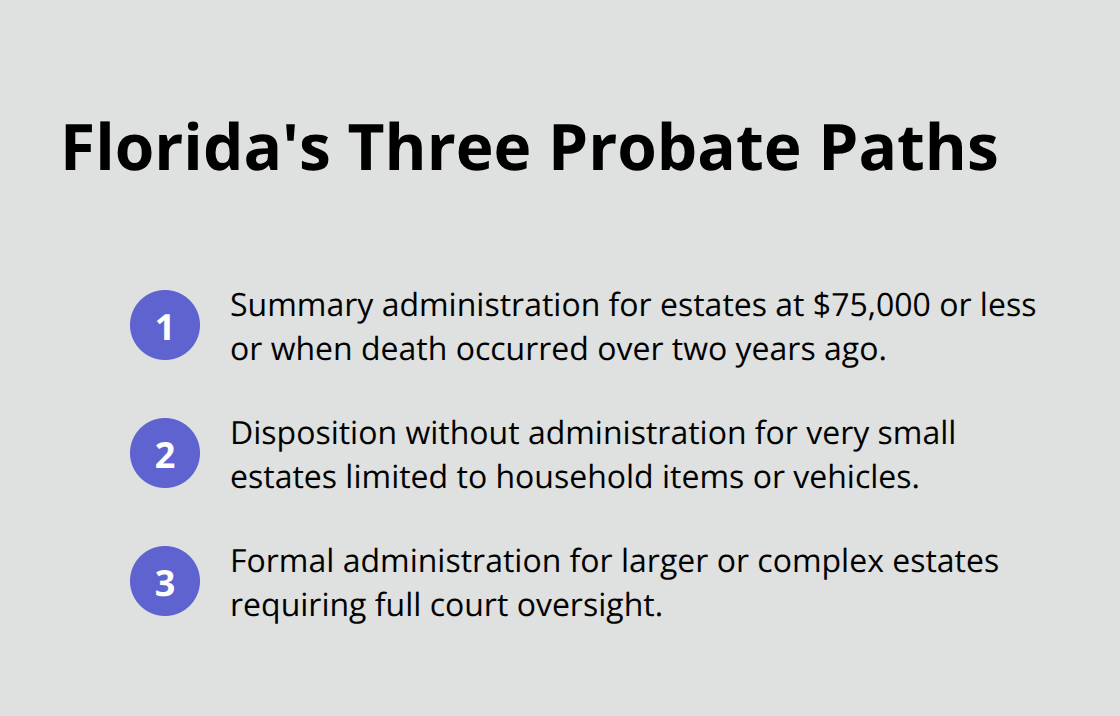
Florida offers three different probate paths, each designed for different situations. If assets total $75,000 or less, or if the person died more than two years ago, summary administration applies-a faster, streamlined option. If the estate is smaller still and consists only of household items or vehicles, disposition of personal property without administration may work. For larger or more complex estates, formal administration becomes necessary, and this is where most families need guidance to navigate court deadlines, creditor claims, and the many decisions ahead.
The Personal Representative’s Real Job
The personal representative-also called an executor if named in a will-is the person the court appoints to manage the entire probate process. This role carries significant responsibility and potential personal liability if duties are mishandled.
The personal representative must locate and secure all assets, file an inventory with the court listing everything owned by the deceased and its value, publish a Notice to Creditors in a newspaper to alert creditors they have 90 days to file claims, and pay valid debts from estate funds before any distribution occurs. They also handle tax filings, including the final Form 1040 for the deceased and possibly Form 706 if federal estate taxes apply.
Many personal representatives make costly mistakes because they do not understand which assets are probate assets and which bypass probate entirely. Life insurance with a named beneficiary and retirement accounts with designated beneficiaries pass directly to those beneficiaries without probate-but only if the beneficiary designations are current. A personal representative who mishandles creditor notices, fails to identify all assets, or distributes funds before taxes are paid can face personal liability and court action from beneficiaries.
Timeline Reality for Florida Probate
Simple formal administrations in Florida take about six to twelve months from start to finish, though this depends heavily on estate complexity and whether disputes arise. The process starts when a petition for administration is filed with the circuit court in the county where the deceased lived.
Within four to six weeks, the court typically appoints the personal representative and issues Letters of Administration, which grant legal authority to act. Next comes the mandatory 90-day creditor claim period, during which known creditors must receive actual notice and unknown creditors are reached through newspaper publication. This period is non-negotiable-assets cannot be distributed until it expires, even if the estate has no debts.
After creditors are handled, the personal representative inventories assets, pays any valid claims and taxes, and prepares a final accounting showing all receipts and distributions. Only then can remaining assets go to beneficiaries. Federal estate tax returns add complexity for larger estates, requiring filing within nine months of death.
Real-world delays happen frequently. Missing documents, unclear instructions in a will, family disputes over beneficiary status, or the need to sell real estate can extend timelines to eighteen months or longer. Starting the probate process immediately after death prevents compounding delays-do not wait to gather documents or settle family questions first, as these issues surface and complicate matters later in the process. Understanding these timelines helps families prepare for what lies ahead and recognize when professional guidance becomes necessary to keep the process moving forward.
Common Challenges in Florida Estate Settlement
The gap between what families expect from probate and what actually happens creates most of the problems that surface in Florida estates. A will that looks straightforward becomes contested when a beneficiary questions its validity. A personal representative discovers the deceased left debts nobody knew about. Critical documents vanish, and suddenly the timeline stretches from six months to two years. These situations happen repeatedly in Florida estates, and they derail families who thought the process would be simple.
Will Validity Disputes Halt Asset Distribution
Will challenges occur far more often than most people realize. A beneficiary who feels left out may argue the deceased lacked mental capacity when signing the will, or claim undue influence from another family member. Florida Statutes 732.502 requires wills to be signed by the testator with two witnesses, but disputes still arise over whether those requirements were met or whether the document truly reflects the deceased’s wishes. Even when a will is valid, beneficiaries sometimes disagree about what specific language means.
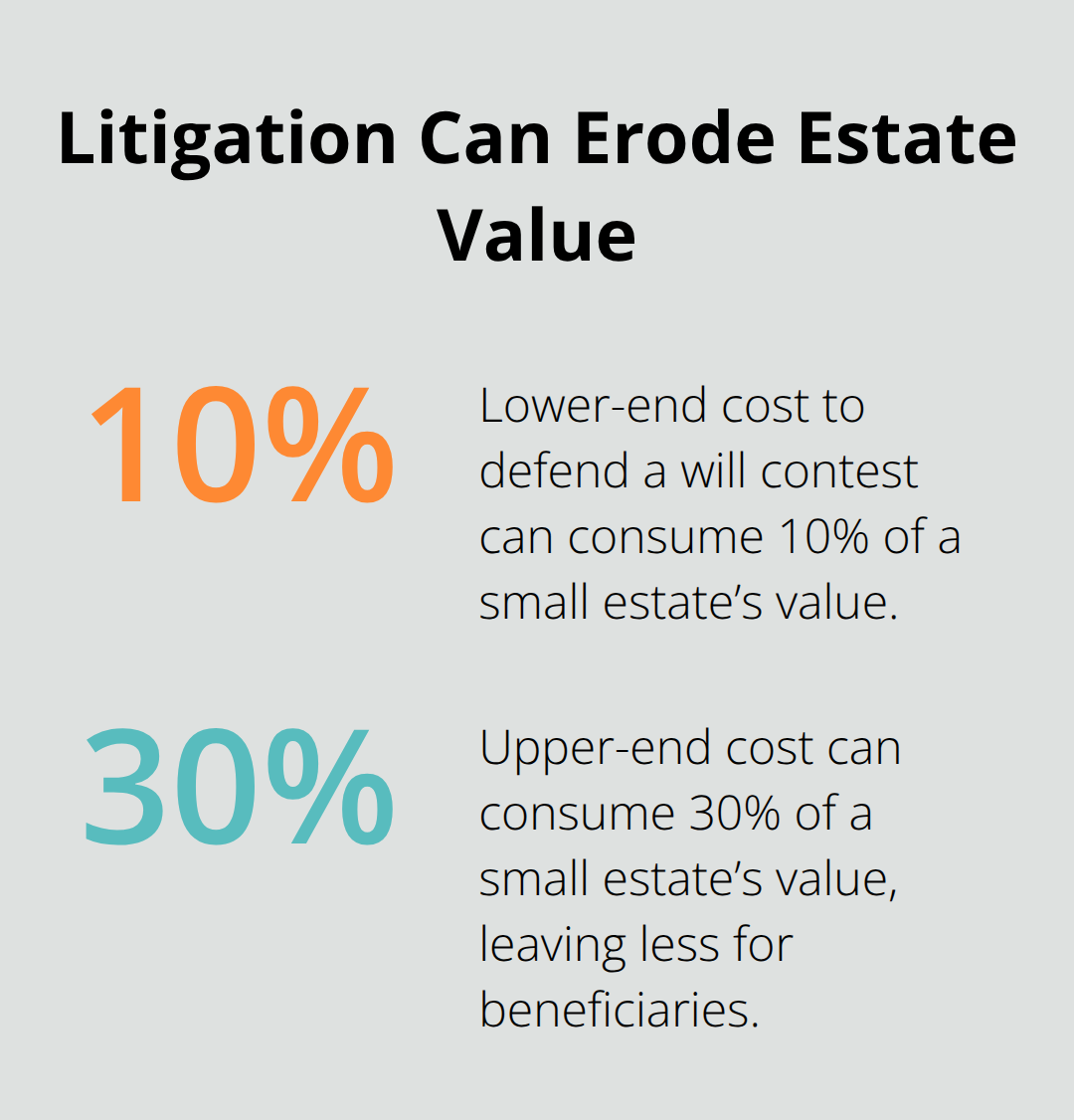
These arguments can stall estates for months while the court resolves the dispute, preventing the personal representative from distributing assets. The cost of defending a will’s validity through litigation consumes ten to thirty percent of a small estate’s value, leaving less for everyone. A properly executed will with clear language and a self-proved will that includes notarization under Florida Statutes 732.503 strengthens its standing in probate and reduces the likelihood of challenges.
Debts and Tax Obligations Drain Estate Funds
Most families underestimate the financial obligations that come with probate. The personal representative must pay funeral expenses, outstanding medical bills, credit card debt, mortgage balances, and property taxes before distributing a single dollar to beneficiaries. If the estate lacks liquid funds to cover these obligations, assets must be sold-often at unfavorable prices when timing is rushed.
Federal estate taxes apply to estates exceeding approximately fifteen million dollars per individual as of 2026, according to current IRS guidance (though this threshold changes annually). Florida imposes no state estate or inheritance tax, but that provides no relief if federal taxes apply. Form 706, the federal estate tax return, must be filed within nine months of death, and late filing penalties are steep. Many personal representatives fail to anticipate these tax obligations early enough, resulting in rushed asset sales or insufficient funds to pay what the IRS demands. The personal representative becomes personally liable if taxes are not properly paid, meaning their own assets could be at risk.
Missing Documents Force Cascading Delays
The most preventable delay in Florida probate stems from incomplete or missing documentation. When the original will cannot be located, the court may accept a copy, but this triggers extra scrutiny and potential challenges. Bank statements, investment account records, and property deeds go missing, forcing the personal representative to request duplicates from institutions-a process that takes weeks or months depending on how old the accounts are.
Unclear instructions in a will about specific bequests or trustee appointments create ambiguity that only a court can resolve. Some families discover the deceased held property in multiple states, requiring ancillary probate in Florida and potentially other jurisdictions, multiplying complexity and cost. The personal representative who starts the probate process immediately after death, rather than waiting months to gather documents, prevents these delays from compounding. Having a clear inventory of assets, account numbers, and document locations-ideally stored where the personal representative can access them quickly-eliminates weeks of searching.
How These Problems Compound Into Larger Issues
Families who procrastinate on probate filing often find themselves racing against creditor claim deadlines and tax filing requirements, leading to mistakes that invite litigation and penalties. These challenges do not exist in isolation; one problem typically triggers another. A missing will creates uncertainty about who inherits, which invites beneficiary disputes. Undiscovered debts force asset sales, which delay distributions and frustrate beneficiaries further. Understanding where these problems originate helps families take action before they escalate. The next section examines how professional guidance can prevent these obstacles from derailing your estate settlement.
How We Guide You Through Probate
File Your Petition Immediately, Not After You’re Ready
Families who attempt probate without guidance consistently make the same preventable mistakes. They file incomplete petitions that the court clerk rejects, miss critical deadlines because they don’t understand Florida Probate Rules Parts I-II, or distribute assets before creditor claim periods expire, exposing themselves to liability. The difference between a six-month process and an eighteen-month ordeal often comes down to how the first thirty days are handled.
When you file your petition for administration with the circuit court in the correct county, include all required documents, and immediately publish the Notice to Creditors in the proper newspaper, you trigger the 90-day creditor claim period on schedule. Many families delay filing because they think they need every document in hand first, but this approach backfires. The personal representative should file the petition within days of obtaining the death certificate, then gather remaining documents while the court processes the appointment. This parallel approach keeps momentum moving instead of creating artificial waiting periods.
Court procedures vary slightly by county, and the Clerk of the Circuit Court in your jurisdiction expects specific formatting and document organization. Filing incorrectly means resubmission delays and wasted weeks. The personal representative also needs immediate clarity on which assets are probate assets and which bypass the process entirely.
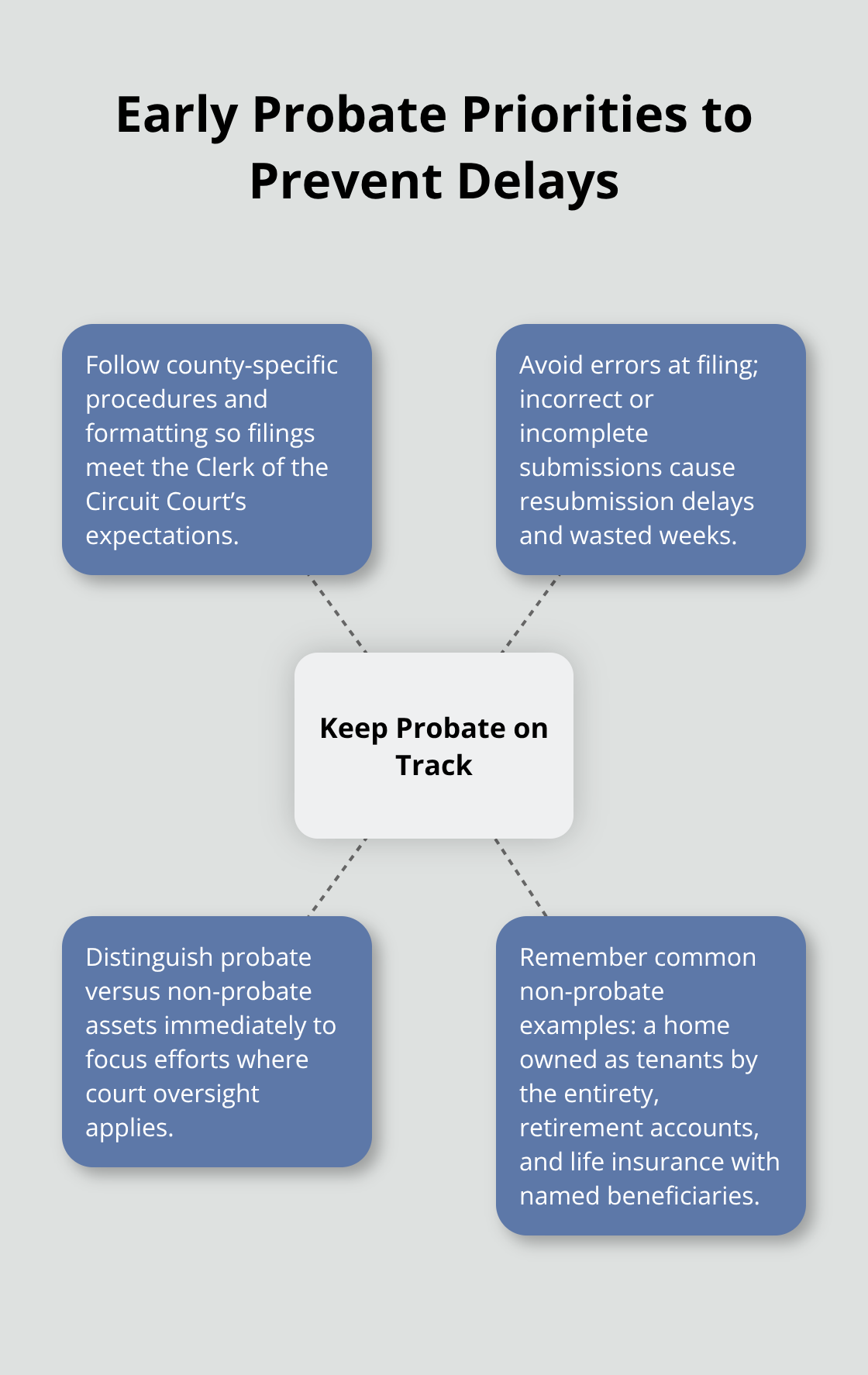
If your spouse owned the family home as tenants by the entirety, that property passes directly to you outside probate. Retirement accounts and life insurance with named beneficiaries skip probate regardless of what the will says. Identifying these non-probate assets within the first two weeks prevents the personal representative from wasting time inventorying property that doesn’t belong in the estate. This distinction saves families thousands in unnecessary court costs and professional fees.
Determine Your Estate’s Probate Path Early
The personal representative must understand whether the estate qualifies for summary administration under the $75,000 threshold or whether formal administration is required. This determination shapes every decision that follows and affects both timeline and cost. An estate valued at $74,000 takes a completely different path than one valued at $76,000, and the personal representative who makes this assessment incorrectly wastes months on unnecessary court filings.
Preparing the petition with accurate asset valuations matters from the start. The court relies on these numbers to determine which probate track applies, and undervaluing or overvaluing assets creates problems later when creditors or beneficiaries question the accuracy. The personal representative should work with professionals to value real estate, investment accounts, and business interests properly rather than guessing at values that will be scrutinized.
Manage Debts and Taxes From Day One
Protecting your family’s interests requires aggressive debt and tax management from the moment the personal representative takes office. The personal representative must search for all creditors, not just the ones they know about, because unknown creditors can still file claims within 90 days of Notice to Creditors publication. Form 706, the federal estate tax return, has a nine-month deadline from the date of death, and the IRS does not grant extensions easily.
The personal representative should work with a tax professional immediately to determine whether federal estate taxes apply and whether Form 1041 must be filed for the estate. Many estates that appear modest still trigger tax obligations because they include retirement accounts with income in respect of a decedent, life insurance proceeds, or appreciated real estate. Failing to file these returns on time creates penalties that come directly from estate assets, reducing what beneficiaries receive.
Address Conflicts Before They Become Litigation
When multiple beneficiaries exist, disagreements over asset valuations or distribution timing are common. Clear communication between the personal representative and beneficiaries prevents misunderstandings from hardening into disputes. The personal representative should provide written explanations for every decision and document everything in writing so conflicts cannot arise later from confusion about what was decided or why.
If a will is unclear or a beneficiary questions its validity, addressing this immediately through proper court procedures prevents the personal representative from being caught in the middle. The personal representative who acts transparently and documents decisions thoroughly rarely faces challenges. Families across Northeast Florida who work with professionals from the start of probate see their estates close within six to nine months for straightforward cases, with far fewer family tensions than those who navigate probate alone.
Final Thoughts
The Florida probate process complexity stems not from the rules themselves but from the decisions made in the first weeks after death. Families who file petitions immediately, identify probate versus non-probate assets correctly, and manage debts and taxes from day one see their estates close on schedule. Those who delay, guess at asset values, or hope problems resolve themselves end up in extended timelines with mounting costs and family tension.
Professional guidance matters because the personal representative carries personal liability for mistakes. Distributing assets before the creditor claim period expires exposes them to lawsuits. Failing to file tax returns on time creates IRS penalties paid from estate funds. Misidentifying which assets belong in probate wastes months on unnecessary court filings (these are not theoretical risks-they happen regularly in Florida estates handled without proper guidance).
If the death occurred recently and no petition has been filed, contact a probate professional immediately to begin the process correctly. We at Family, Estate & Mediation Law have guided hundreds of families through probate in St. Augustine and Palatka, and our team understands the practical decisions that keep estates moving forward. Visit Family, Estate & Mediation Law to schedule a consultation and protect your interests throughout the process.