Most St. Augustine and Palatka residents put off wills drafting because they think it’s complicated or expensive. The truth is simpler: without a written will, Florida’s intestacy laws decide who gets your assets, and your family faces months of court battles.
We at Family, Estate & Mediation Law have seen firsthand how a solid will prevents conflict and protects what you’ve built. This guide walks you through the essential steps to create one that actually works.
What Happens to Your St. Augustine Estate Without a Will
Florida’s Intestacy Laws Override Your Wishes
Florida’s intestacy laws don’t care about your wishes. If you die without a will, the state has already written one for you, and it almost certainly doesn’t match what you’d want. Under Florida Statutes Section 732.102, your assets flow to a predetermined hierarchy: spouse first, then children, then parents, then siblings. If you’re unmarried with no children, your parents inherit. If they’re deceased, your siblings get everything. No distant cousins, no charitable causes you cared about, no specific gifts to close friends. The state’s formula is rigid and impersonal, and it ignores the real relationships and values that shaped your life in St. Augustine or Palatka.
Court Costs and Timeline Drain Your Estate
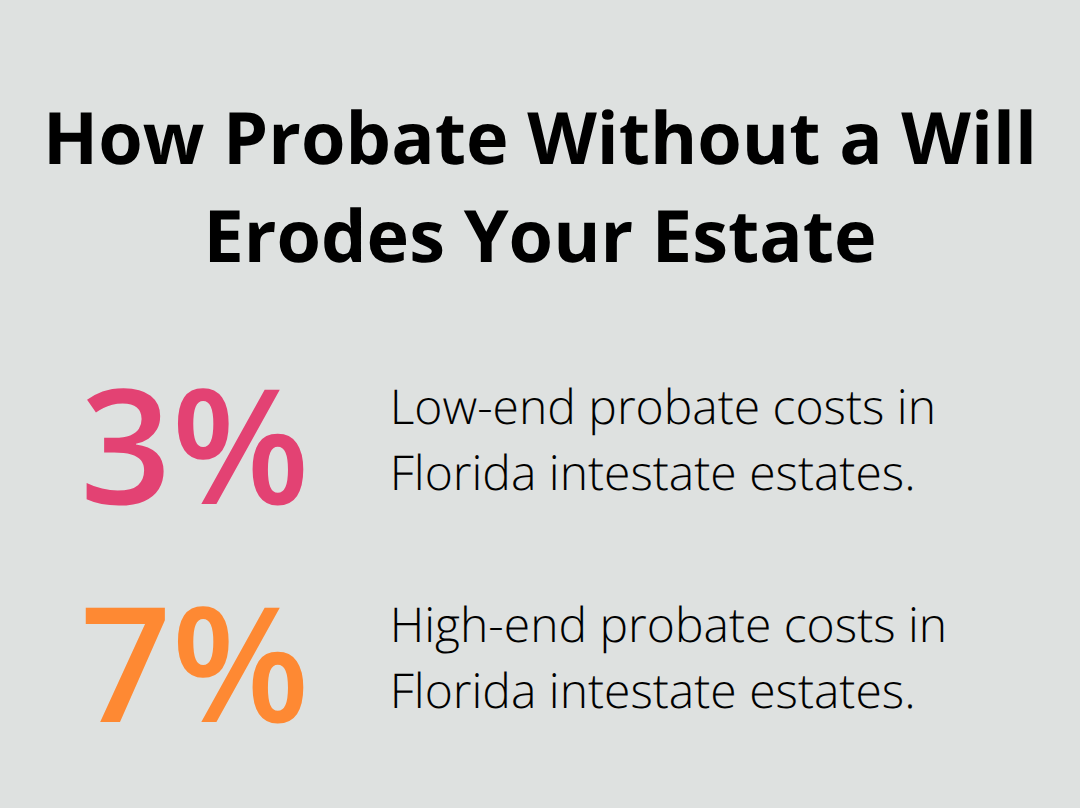
Without a will, your family doesn’t just lose control-they lose time and money. Florida probate without a will typically takes six months to two years, and court fees, attorney fees, and administration costs consume 3 to 7 percent of your estate’s total value. That’s real money disappearing into the legal system instead of going to the people you love.
Families often spend $5,000 to $15,000 or more on probate proceedings that a simple will could have prevented. The emotional toll matters too. Intestacy forces your family into court-supervised administration when they’re already grieving, and it opens the door to disputes among heirs who may have different ideas about what’s fair.
A Will Gives You Control Your Family Needs
A clear will eliminates that uncertainty. It names your executor-someone you trust to handle your affairs-rather than leaving the court to appoint a stranger or forcing your family to petition the judge. It specifies exactly how your property gets distributed, down to specific items if you want. It addresses guardianship for minor children before a judge has to decide who raises them.
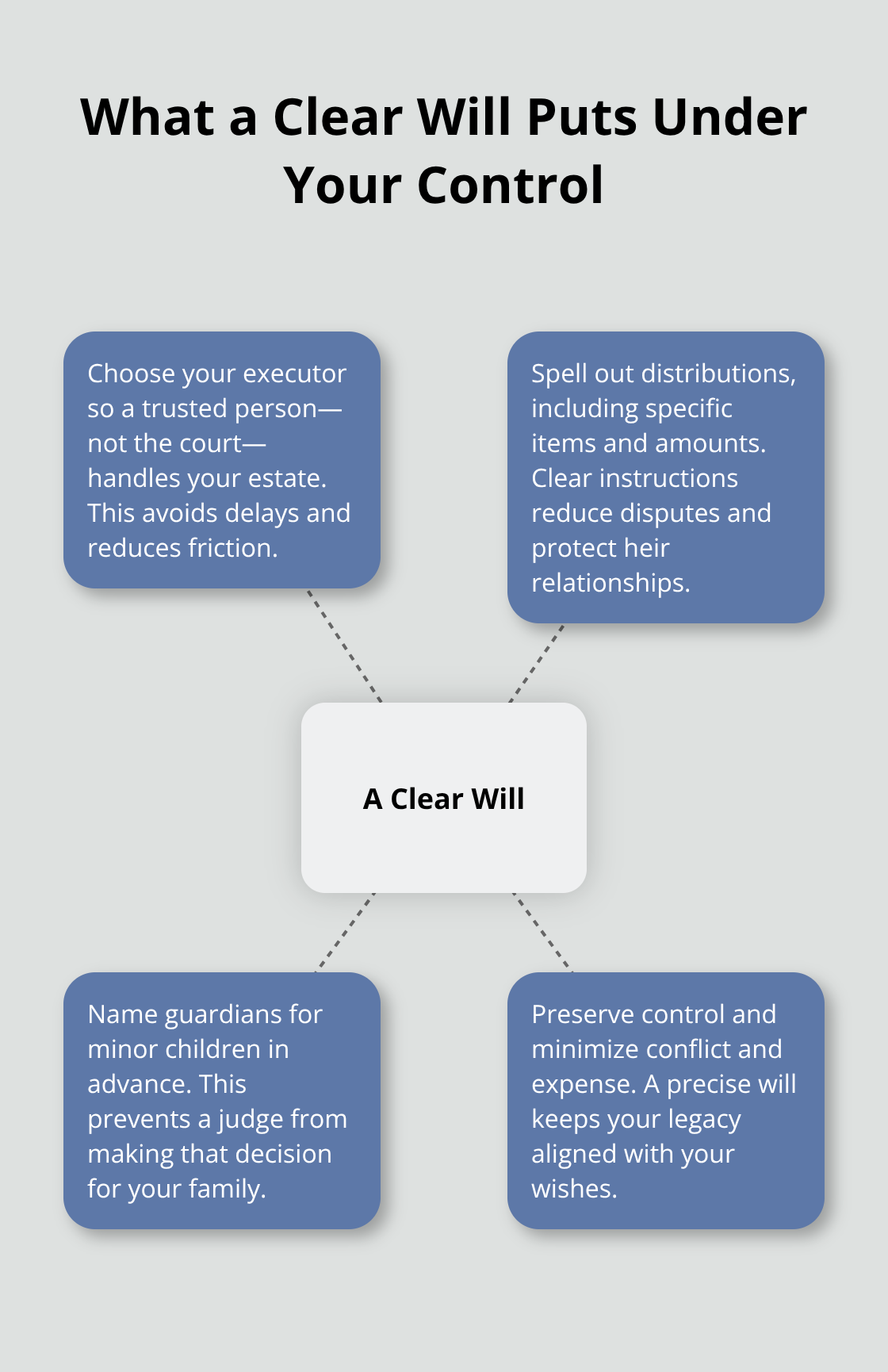
A written will isn’t just a legal document; it’s the only tool that lets you maintain control over your legacy and protect your family from unnecessary conflict and expense. The next section walks you through the specific steps that transform a blank page into a will that actually reflects your values and protects what matters most.
Building Your Will: What You Actually Need to Know
List Every Asset and Debt You Own
Start by listing every asset you own: bank accounts, retirement accounts, real estate, vehicles, jewelry, business interests, and life insurance policies. Write down the approximate value of each. St. Augustine and Palatka residents often overlook digital assets like cryptocurrency wallets, online banking accounts, and social media profiles that hold sentimental or financial value. Next, list your debts-mortgages, credit cards, loans-because these obligations affect what actually passes to your beneficiaries. Many people underestimate this step and create wills that don’t account for taxes and final expenses, leaving their families scrambling to cover costs.
Choose an Executor Who Can Actually Do the Job
Your executor matters more than most people realize. This person will gather your assets, pay your debts, file tax returns, and distribute what remains to your beneficiaries. Choose someone organized, trustworthy, and willing to take on the responsibility. Families often experience conflict because someone named an executor who either couldn’t handle the job or resented being stuck with it. Ask the person first-don’t surprise them with the role after you’re gone.
Name Your Beneficiaries With Specificity
Name your beneficiaries specifically: spell out names, relationships, and exactly what each person receives. Vague language like leaving money to your kids without specifying amounts creates disputes among heirs. If you have minor children, name a guardian in your will. Without one, a judge decides who raises them, and that decision might contradict your wishes entirely. Florida law allows you to designate guardians for both person and property in your will, giving you the only real control over this critical decision.
Designate Guardians Before a Judge Does
Guardianship decisions carry weight that many people underestimate. A judge will appoint a guardian based on what the court considers the child’s best interest, not what you would have chosen. Your will prevents that scenario by naming the specific person (or persons) you trust to raise your children and manage their property until they reach adulthood. This single step protects your children from uncertainty and your family from courtroom battles over custody.
These four steps transform a blank page into a functional document. The next section addresses the mistakes that undermine even well-intentioned wills and shows you how to avoid them.
Three Will Mistakes That Cost St. Augustine and Palatka Families Thousands
Outdated Wills Contradict Your Current Life
Life changes fast, and your will needs to keep pace. Families lose thousands of dollars because their wills become outdated after marriage, divorce, the birth of children, or significant asset gains. A will written ten years ago might name an ex-spouse as beneficiary or fail to account for property you’ve acquired since. Florida law does not automatically update your will when circumstances shift, so the responsibility falls on you.
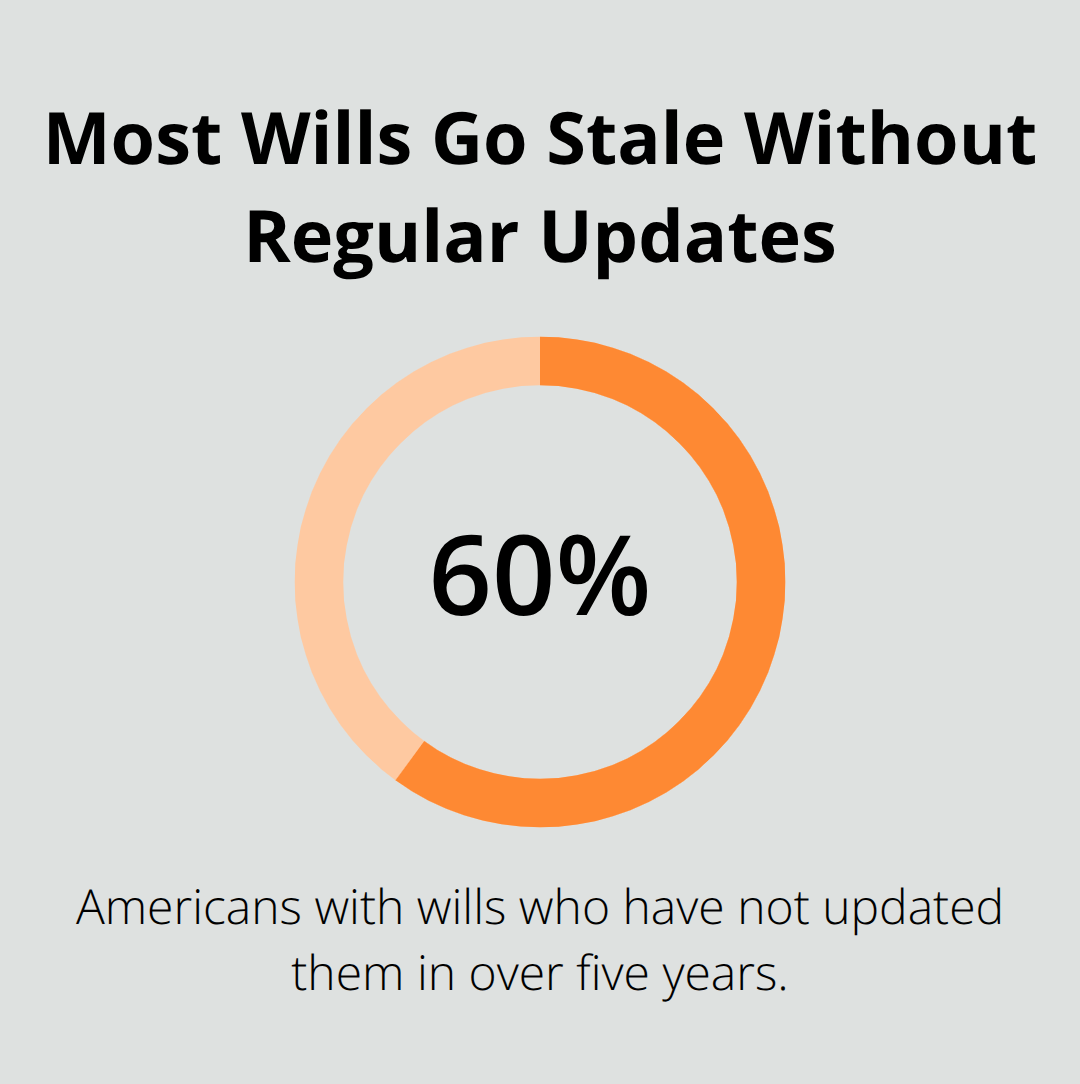
Major life events demand immediate attention: after remarriage, after having children, after inheriting property, or after selling a business. The American College of Trust and Estate Counsel reports that nearly 60 percent of Americans with wills have not updated them in over five years, leaving their documents misaligned with their current lives and values. Set a calendar reminder to review your will every three to five years.
Significant life changes should trigger an immediate review rather than waiting for your scheduled check-in.
The Wrong Executor Creates Chaos After Your Death
Choosing the wrong executor ranks second on the list of preventable will disasters. Many St. Augustine and Palatka residents name a family member out of obligation rather than capability, then that person discovers after death that they lack the organizational skills, financial knowledge, or emotional stability for the role. An unprepared executor can mismanage your estate, miss tax deadlines, or create conflict among your beneficiaries through poor communication or questionable decisions.
Your executor needs more than good intentions; they need the ability to handle complex paperwork, coordinate with attorneys and accountants, and make difficult decisions under stress. Some families choose a co-executor arrangement to balance the load, while others hire a professional fiduciary or corporate trustee to handle the job. Ask the person first and confirm they understand the responsibility before you name them in your will.
Vague Language Invites Disputes That Drain Your Estate
Ambiguous language in your will invites disputes that drain your estate’s value through legal fees and court costs. Phrases like leaving something to your nieces without specifying which nieces, or distributing your property fairly without defining what fair means, guarantee conflict among heirs. Specific language prevents this: name individuals by full legal name, specify exact dollar amounts or percentages, and describe property clearly enough that no one questions what you meant.
Courts in Florida interpret wills strictly, meaning vague wording often leads to outcomes you never intended. Precision matters more than brevity. Take the time to spell out your wishes with absolute clarity, and your family avoids the courtroom battles that consume both money and relationships.
Final Thoughts
A written will forms the foundation of protecting your family and preserving your legacy in St. Augustine and Palatka. Without one, Florida’s intestacy laws strip away your control, court costs drain your estate, and your family faces months of uncertainty during an already difficult time. St. Augustine wills drafting transforms a blank page into a document that reflects your values and shields your loved ones from unnecessary conflict.
The mistakes we’ve covered are preventable. Outdated wills, poorly chosen executors, and vague language create problems that cost thousands of dollars and damage family relationships. Regular reviews every three to five years, careful selection of someone capable and willing to serve as executor, and precise language throughout your document eliminate these pitfalls entirely.
We at Family, Estate & Mediation Law Group help families across Northeast Florida protect what matters most through wills, trusts, probate, and estate planning strategies tailored to your specific situation. Contact Family, Estate & Mediation Law Group in St. Augustine or Palatka to schedule a consultation and take the step that protects your family’s future.