
Most Floridians put off healthcare directives until it’s too late. Without clear medical preferences documented, your family faces impossible decisions during your most vulnerable moments.
At Family, Estate & Mediation Law, we’ve seen firsthand how healthcare directives Florida prevent confusion and conflict when it matters most. This guide walks you through what you need to know.
Understanding Florida Healthcare Directives
A Florida healthcare directive is a legal document that grants someone you trust the authority to make medical decisions on your behalf if you cannot do so yourself. Florida Statute 765.401 establishes the legal framework for these documents, requiring that they be in writing, signed by you, and witnessed by two individuals or notarized. The directive takes effect immediately upon signing, though it typically activates only when your physician determines you lack capacity to make decisions. This distinction matters because your directive remains dormant until needed, not interfering with your current medical care. Many Floridians mistakenly believe their directive applies only at the very end of life, but it actually covers any situation where you’re temporarily or permanently unable to communicate your wishes-from surgery recovery to serious illness.
Why families clash over medical decisions
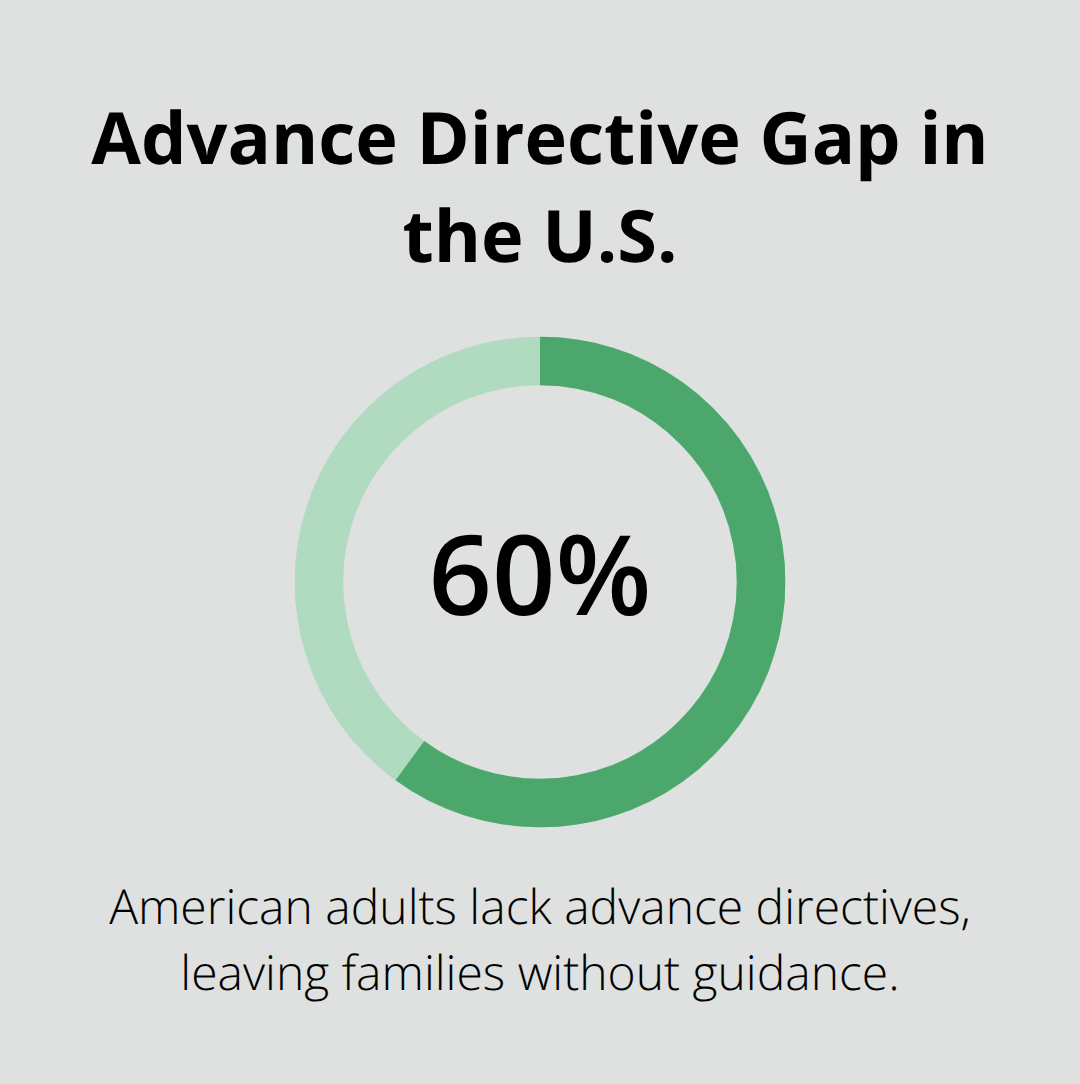
When a loved one lands in the hospital without a documented healthcare directive, family members often discover they hold dramatically different ideas about what should happen next. One sibling advocates for aggressive treatment while another prefers comfort care. The hospital staff has no clear answer about your actual preferences, so they turn to whoever has legal authority, which typically defaults to your spouse or adult children in order of priority. This creates tension precisely when emotions run highest. According to the American Hospital Association, approximately 60% of American adults lack advance directives, leaving millions of families to navigate these conflicts without guidance. In Florida specifically, the lack of clear healthcare instructions generates disputes that sometimes require court intervention to resolve-a process that delays medical care and multiplies legal costs.
Documenting your wishes eliminates this guesswork entirely and shifts the conversation from what family members think should happen to what you actually want.
The planning gap in Florida
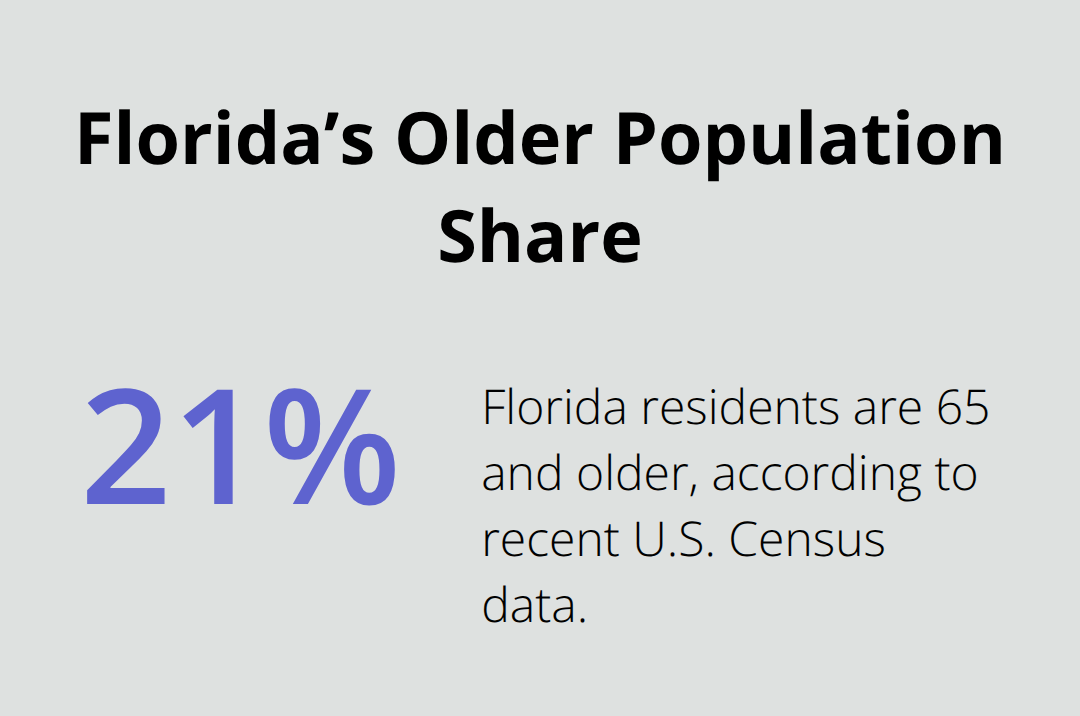
Florida’s population skews older than the national average, with residents aged 65 and older comprising roughly 21% of the state’s population according to recent U.S. Census data. Despite this demographic reality, most Floridians have not completed healthcare directives. The gap between the need for end-of-life planning and actual completion remains stubbornly wide.
People postpone these conversations because they feel uncomfortable confronting mortality, believe they have more time, or simply don’t know where to start. This procrastination carries real consequences. When critical illness strikes suddenly, your family scrambles to understand what you would have wanted while simultaneously managing the emotional and logistical demands of a medical crisis. Those who wait until the last moment often wish they had taken 30 minutes earlier to document their wishes-a step that would have prevented months of family conflict and uncertainty.
What happens without a directive
Without a healthcare directive in place, Florida law establishes a default hierarchy for who can make medical decisions on your behalf. Your spouse holds first priority, followed by adult children, then parents, and then adult siblings. This legal order may not reflect your actual preferences (your estranged spouse might have authority over your devoted adult child, for example). Hospital staff must follow this hierarchy regardless of whether the designated person truly understands your values and medical wishes. The result is decisions made by legal default rather than by your explicit choice. Your family members also face the burden of making life-and-death choices without your guidance, a responsibility that can haunt them for years.
Taking action now
The next chapter walks you through the specific components that make a healthcare directive effective and legally sound in Florida.
Building Your Healthcare Directive
Selecting Your Healthcare Proxy
A healthcare directive only works if it clearly identifies who makes decisions and what those decisions should cover. The person you name as your healthcare proxy carries tremendous responsibility, so this choice demands careful thought rather than defaulting to whoever seems obvious. Many Floridians choose their oldest child or spouse without considering whether that person actually understands their medical values or can handle the emotional weight of life-and-death decisions. Your proxy needs to be someone willing to advocate for your wishes even when family members disagree, someone geographically accessible enough to respond quickly, and ideally someone younger than you so they’re likely to outlive this role.
Florida Statute 765.401 allows you to name a successor agent if your first choice becomes unavailable, a safeguard most people overlook. Many assume their proxy automatically knows what they want, but that assumption creates the exact conflicts the directive was meant to prevent. You must sit down with your chosen proxy before signing anything and explicitly discuss your values around quality of life, pain management, prolonged unconsciousness, and artificial nutrition. Some people prioritize living as long as possible regardless of condition; others refuse life support if they cannot recognize family members. These conversations feel uncomfortable, but skipping them leaves your proxy guessing when your life depends on their decisions.
Specifying Medical Preferences With Clarity
Your directive must specify medical preferences with concrete language rather than vague wishes. Instead of writing you want comfort care, explain what comfort care means to you: pain medication even if it shortens life, no CPR, no feeding tubes, focus on dignity and consciousness over lifespan extension. Florida’s statutory form includes checkboxes for common scenarios, but the real detail comes in the additional instructions section where you explain your philosophy. Address specific situations that matter to you (such as temporary unconsciousness versus permanent vegetative states) so your proxy understands your actual values, not just your general preferences.
HIPAA Authorization and Information Access
HIPAA authorization deserves equal attention because hospitals cannot discuss your medical status with family members, your proxy, or even your attorney without this explicit permission. The authorization should cover your spouse, adult children, parents, and your healthcare proxy specifically, naming them by role and relationship rather than just by name. Without this section, your family watches you decline while hospital staff provides no information, forcing them to make decisions based on outdated knowledge of your condition. We’ve seen situations where a directive was perfectly drafted but worthless because the HIPAA section was missing, leaving proxies unable to gather the medical information necessary to make informed choices.
Naming Backup Decision-Makers
The document should also designate an alternate if your primary proxy cannot be reached during a medical emergency, ensuring someone authorized can speak with doctors immediately rather than delaying critical decisions while hospitals track down your first choice. This backup proxy should understand your medical wishes as thoroughly as your primary choice does. When you complete these components with specificity and clarity, your directive transforms from a generic legal form into an actual reflection of your values. The next chapter addresses the mistakes that undermine even well-intentioned directives and how to avoid them.
Where Healthcare Directives Actually Fail
The Communication Gap That Undermines Everything
Most people who sign healthcare directives believe they’ve solved the problem, but the document sitting in a drawer accomplishes nothing if nobody knows it exists or understands what it says. The gap between having a directive and having one that actually works during a medical crisis separates those whose wishes get followed from those whose families make decisions in the dark. Your proxy might hold the signed document, but if they’ve never discussed your actual values around artificial nutrition, prolonged unconsciousness, or aggressive treatment, they’re essentially guessing when your life hangs in the balance.
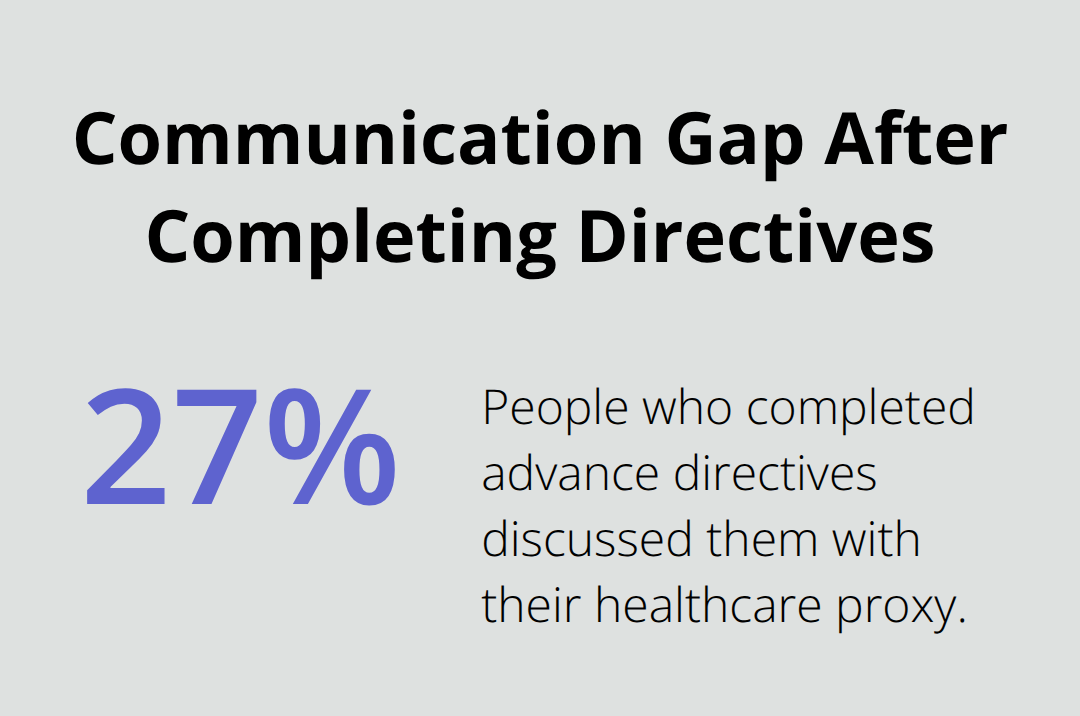
Research from the American Psychological Association found that only 27% of people who completed advance directives actually discussed those directives with their healthcare proxy. This communication failure transforms a legal document into an expensive piece of paper. You must sit across from your chosen proxy and walk through specific medical scenarios: if you suffered a massive stroke and couldn’t recognize family members but could live another decade in that state, what would you want?
If you developed terminal cancer with six months to live, would you choose aggressive chemotherapy for a small chance at extension or comfort care focused on consciousness and dignity?
These conversations feel heavy and uncomfortable, which is precisely why people avoid them. They represent the actual work of end-of-life planning rather than the paperwork that precedes it.
Outdated Documents That No Longer Reflect Your Life
Many directives fail because they become outdated or incomplete as life changes. A directive you signed five years ago might name a proxy who has since moved across the country, developed health problems that make them unavailable, or experienced a relationship change that altered your trust in them. Major life events like divorce, remarriage, serious illness, or the death of your named proxy can render your directive ineffective or worse, leave it enforcing choices that no longer reflect your values.
Try reviewing your healthcare directive every three to five years and immediately after any significant life change. Most people ignore this practice until crisis forces the issue. Your directive should evolve as your circumstances shift, not remain frozen at the moment you signed it.
Vague Language That Creates Confusion
Many directives lack the specificity needed when actual medical decisions arrive. A checkbox marked for no CPR means nothing if your proxy doesn’t understand the difference between CPR after a sudden heart attack versus CPR after weeks of decline from terminal illness. Two scenarios where your preferences might differ dramatically require different explanations in your directive.
The HIPAA authorization section also creates problems when written too narrowly. Naming only your spouse when you should have authorized your adult children and parents to receive medical information leaves your family unable to access critical details. If your spouse is traveling or unreachable during a medical emergency, the hospital cannot discuss your condition with your children even though they’re desperate for information and capable of supporting your proxy’s decision-making.
Incomplete Authorizations That Delay Care
Incomplete or vague directives often force hospitals to delay treatment while staff members track down clarification. Your family watches your medical condition deteriorate while your proxy and doctors wait for answers that should have been in the document from the start. The fix requires not just signing a document but treating the directive as a living plan that changes as your circumstances change.
At Family, Estate & Mediation Law Group, we help individuals across Northeast Florida navigate these planning details with practical strategies that actually work when medical crises arrive. Your directive should reflect your current values, name people who can actually serve as your proxy, and include the specific medical preferences that guide real decisions.
Final Thoughts
A healthcare directive Florida residents complete today prevents the exact family conflicts and medical confusion described throughout this guide. The peace of mind comes not from signing a document but from knowing your actual wishes will guide decisions when you cannot speak for yourself. Your family stops guessing about your values and starts following your explicit instructions.
We at Family, Estate & Mediation Law Group work with individuals and families across Northeast Florida to build healthcare directives that actually function during medical crises. Our approach focuses on translating your values into specific medical preferences, identifying proxies who truly understand your wishes, and ensuring your HIPAA authorization covers everyone who needs medical information. Contact Family, Estate & Mediation Law Group at our St. Augustine or Palatka offices to start this conversation.
The 30 minutes you invest now prevents months of family conflict and uncertainty later. Your healthcare directive reflects who you are and what matters most to you when medical decisions arrive. Schedule a consultation to discuss your healthcare wishes and begin documenting them properly.