
Without a guardianship plan in place, your family faces uncertainty during life’s most vulnerable moments. At Family, Estate & Mediation Law, we’ve seen firsthand how guardianship strategies for families prevent costly disputes and protect those who can’t protect themselves.
This guide walks you through creating a solid guardianship plan that reflects your values and secures your loved ones’ future.
What Guardianship Actually Means
Guardianship is a legal arrangement where a court appoints someone to make decisions for another person who cannot make those decisions themselves. That person, called the ward, loses certain legal rights and the guardian assumes responsibility for their personal care, medical decisions, and sometimes financial matters. This is a formal court order that gives the guardian legal authority. The purpose is straightforward: to protect vulnerable individuals when they lack capacity due to age, disability, or incapacity. Without guardianship, medical providers won’t take instruction from family members, bank accounts remain frozen, and educational decisions stall.
When Guardianship Becomes Necessary
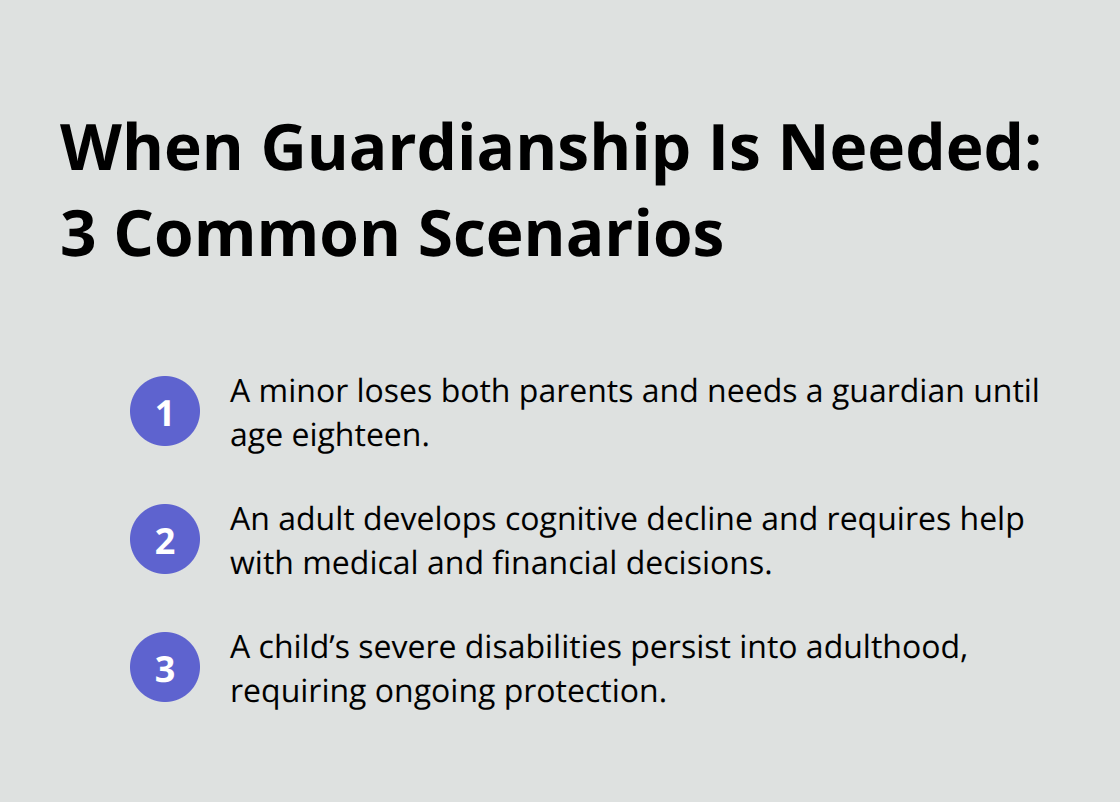
Guardianship typically arises in three main situations. First, when a minor loses both parents, a guardian steps in to raise the child and manage their affairs until they turn eighteen. Second, when an adult develops cognitive decline from dementia, severe mental illness, or brain injury, guardianship allows family to handle medical and financial decisions. Third, when a child has severe disabilities that persist into adulthood, guardianship continues their protection indefinitely.
The American Bar Association notes that approximately 1.3 million adults currently live under guardianship in the United States, with numbers rising as the population ages. Many families wait until crisis strikes-a stroke, accident, or diagnosis-before addressing guardianship, which forces rushed court proceedings and often results in the wrong person being appointed. Planning ahead prevents courts from assigning a stranger or someone unsuitable to your loved one’s care.
Different Types of Guardianship Give You Options
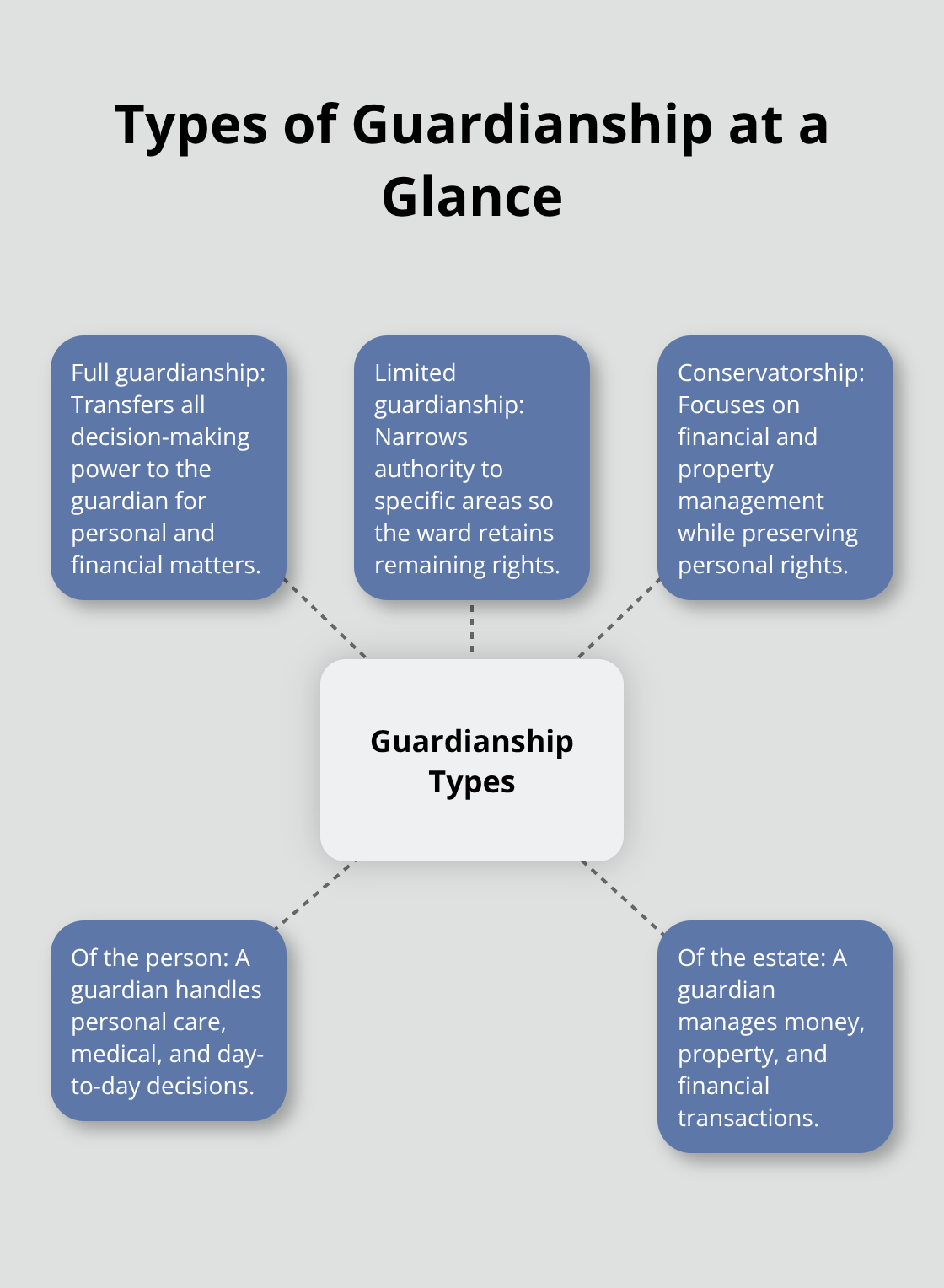
Full guardianship transfers all decision-making power to the guardian, removing the ward’s ability to make any choices about their person or property. This approach works best for individuals with severe cognitive impairment who cannot participate in any decisions. Limited guardianship restricts the guardian’s authority to specific areas-perhaps medical decisions only, or financial matters only-while the ward retains other rights. This option respects autonomy when someone can still make certain decisions independently.
Conservatorship specifically addresses financial and property management without removing personal rights, making it suitable for someone who understands medical choices but cannot manage money. Some states distinguish between guardianship of the person and guardianship of the estate, allowing different people to handle personal care versus finances. The type you select matters significantly, as overly broad guardianship removes more rights than necessary while limited guardianship may leave gaps in protection.
Selecting the Right Guardian Requires Careful Thought
The person you choose as guardian will make life-altering decisions for your loved one, so this selection demands serious consideration. You need someone who understands your values, respects your loved one’s wishes, and has the emotional stability to handle difficult medical and financial choices. Family members often seem like the natural choice, but not every relative possesses the temperament or availability required for this role. Consider whether your chosen guardian can commit to the responsibility long-term, as guardianship frequently lasts years or even decades.
Backup guardians matter just as much as your first choice. Life circumstances change-your preferred guardian may move away, face health issues, or become unable to serve. Naming alternates in your guardianship documents prevents courts from appointing someone you would never have chosen. The next section walks you through how to document these critical decisions in writing so they carry legal weight.
Building Your Guardianship Plan
Choosing a guardian and documenting that choice separates effective planning from wishful thinking. Many families skip this step because it feels overwhelming, but the cost of inaction far exceeds the effort required. When you die without naming a guardian for minor children, the court appoints one based on what it deems in the child’s best interest, not your values or preferences. The process takes months, drains your estate through legal fees, and leaves your children in limbo while strangers evaluate their living situation.
Select Someone Who Shares Your Values
Start with identifying someone who shares your parenting philosophy and can commit to the role for the long term. This person needs financial stability, emotional maturity, and the physical ability to care for your children through adulthood. Don’t automatically select a family member out of obligation, because reluctant guardians create worse outcomes than carefully chosen unrelated individuals. Interview your top choice directly and confirm they actually want the role before you name them in your documents.
Name at least two backup guardians in your documents as well. Life circumstances change-your preferred guardian may move away, face health issues, or become unable to serve. For adult children with severe disabilities, the guardianship spans decades, so select someone significantly younger than yourself to prevent the guardian from aging out of the role.
Provide Clear Financial Support
Financial provisions matter enormously in guardianship arrangements. Your guardianship documents must specify how much money the guardian receives monthly for the ward’s care, whether from a dedicated trust fund or your estate. The AARP reports that guardians spend an average of 20 hours monthly managing affairs for their wards, yet many receive no financial support whatsoever, creating resentment and reducing care quality.
Document Your Wishes in Writing
Draft clear instructions about education, religious upbringing, medical preferences, and special needs. Place these documents where your named guardian can find them immediately after your death. Store originals with the court, copies with your attorney, and accessible versions with your family so no one claims ignorance about your wishes when crisis strikes.
These written instructions form the foundation of your guardianship plan, but they only work if you address one critical gap that most families overlook: the financial and tax implications that emerge once guardianship actually begins.
Three Mistakes That Derail Guardianship Plans
Procrastination Costs Your Family Time and Money
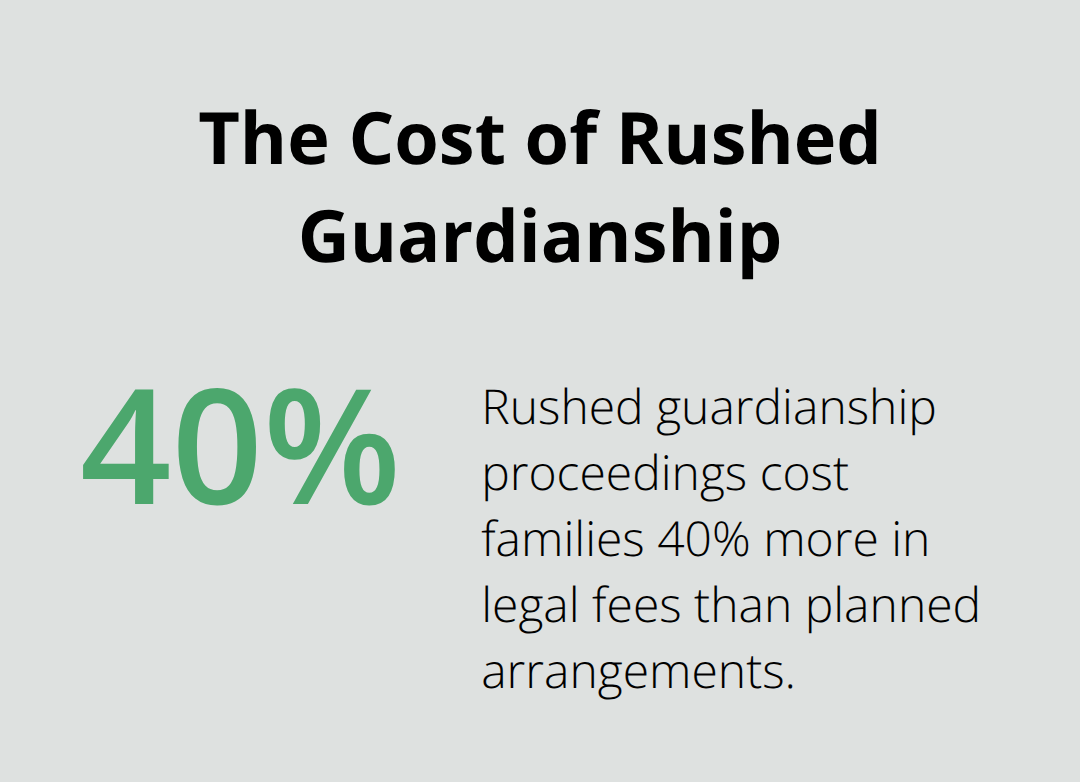
Procrastination stands as the primary killer of guardianship plans. Families consistently wait until a health crisis forces their hand, and when that moment arrives, the window for thoughtful planning has closed. A health emergency transforms guardianship from a deliberate choice into a rushed court proceeding where judges assign guardians based on availability rather than your actual preferences. The American Bar Association found that rushed guardianship proceedings cost families an average of 40 percent more in legal fees than planned arrangements completed years in advance.
Courts assign guardians based on statutory preference when you name no one. The judge may appoint a professional guardian you’ve never met, someone unfamiliar with your loved one’s personality, medical history, or deepest needs. Starting guardianship planning when your children are young and your health is stable gives you genuine choice rather than accepting whoever the court deems suitable. This advance work takes hours now but prevents months of court battles and thousands in unnecessary legal costs later.
Your Family Needs to Know Your Decisions
The second mistake compounds the first: failing to tell your family members about your guardianship decisions. You might carefully select a guardian and document everything in your will, but if your chosen guardian never agreed to serve or doesn’t know they were selected until after your death, chaos erupts. Relatives contest the appointment, the guardian feels ambushed and resentful, and court battles drain your estate while your ward’s care suffers.
Have direct conversations with your intended guardian before you name them in any document. Explain why you chose them, discuss your parenting philosophy or values for your loved one’s care, and confirm they genuinely want this responsibility. These conversations feel awkward but prevent far worse outcomes later. Share copies of your guardianship documents with your named guardian and your attorney so everyone knows exactly what you’ve decided and why.
Financial and Tax Implications Require Proper Structure
The third mistake involves overlooking how guardianship affects taxes and ongoing financial management. Many families establish guardianship but never address the tax implications or set up proper accounting structures. Once guardianship begins, the guardian must file annual guardianship accountings with the court in most states, documenting every dollar spent on the ward’s behalf.
Assets placed in a trust designated to support your ward generate income that requires tax reporting. The guardian may need to file separate tax returns for the ward, and in some cases guardians face personal liability if they mismanage funds without proper documentation. Coordinate your guardianship plan with a detailed financial strategy that specifies which accounts fund the ward’s care, how the guardian accesses money, and what records they must maintain.
Setting up a dedicated guardianship trust with clear instructions prevents guardians from mixing personal and ward funds, eliminates confusion about what money is available for care, and protects the guardian from accusations of misappropriation. Without this financial framework, even well-intentioned guardians struggle with compliance and face unnecessary legal exposure. Family, Estate & Mediation Law Group can help you coordinate these financial and legal elements into a cohesive strategy that protects both your ward and the guardian you’ve selected.
Final Thoughts
Guardianship strategies for families work only when you act before crisis forces your hand. Select the right guardian who shares your values, document everything in writing with clear financial provisions, and communicate your decisions to everyone involved. Families who follow these steps avoid costly court battles, prevent unsuitable guardians from being appointed, and give their loved ones genuine protection when they need it most.
The mistakes we outlined-procrastination, silence, and ignoring financial implications-destroy even well-intentioned plans. Waiting until a health emergency strikes costs thousands more in legal fees and leaves your family scrambling. Naming a guardian without their knowledge creates resentment and conflict, while proper financial structure protects both your ward and the guardian you’ve chosen.
We at Family, Estate & Mediation Law Group help families across Northeast Florida turn guardianship planning from overwhelming to manageable. Visit us to discuss how we can help you build a guardianship plan that reflects your values and secures your family’s future.