Most Americans haven’t created an estate plan, leaving their families vulnerable to costly disputes and legal delays. Without clear instructions about your assets, healthcare wishes, and digital accounts, the foundations of estate planning crumble when you need them most.
At Family, Estate & Mediation Law, we’ve seen firsthand how the right documents protect what you’ve built and give your family clarity during difficult times. This guide walks you through the essential steps to create a plan that actually works.
The Reality of Unprotected Assets
Why Most Americans Fall Behind on Planning
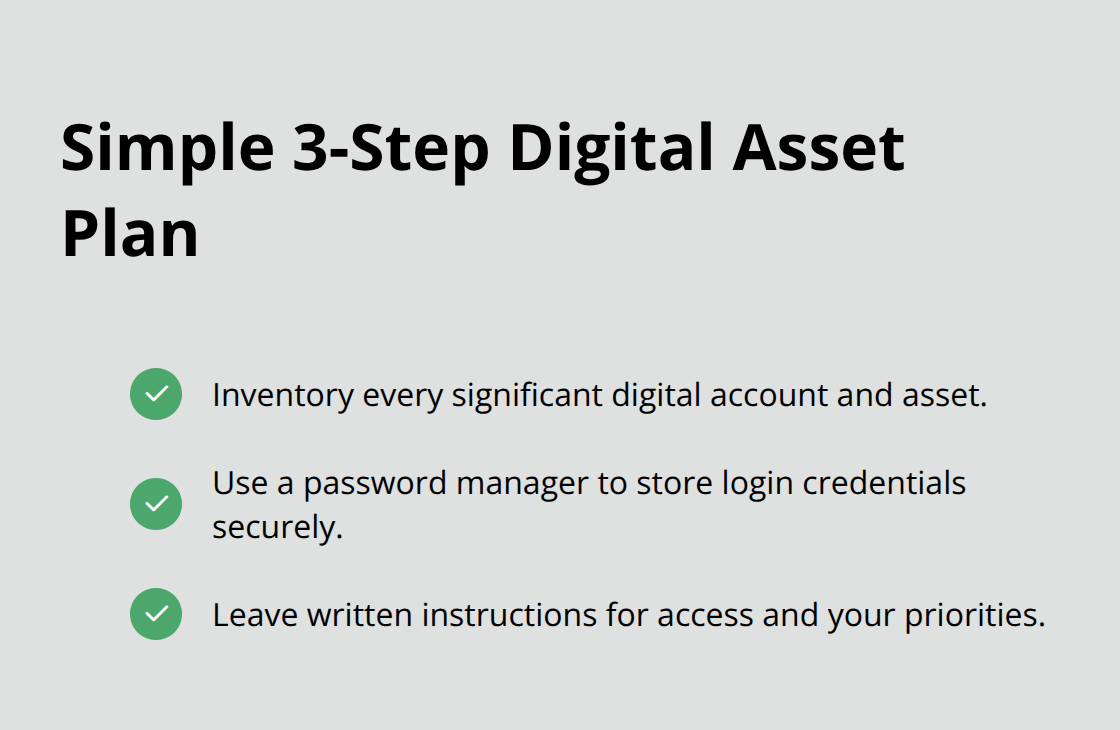
Most people treat estate planning as a future task, but statistics reveal the consequences of waiting. Gallup research shows that more than 60% of American adults lack a will or estate plan, leaving the majority of families exposed to preventable complications when death or incapacity strikes. Probate proceedings drain 3% to 7% of an estate’s value in legal fees and court costs alone, and that figure doesn’t account for the time families lose settling disputes over assets and care decisions. Without a plan in place, state intestacy laws decide who inherits your property and who manages your affairs-often contradicting what you actually wanted. The financial and emotional damage compounds quickly when families face these situations unprepared.
The Digital Assets Problem Nobody Addresses
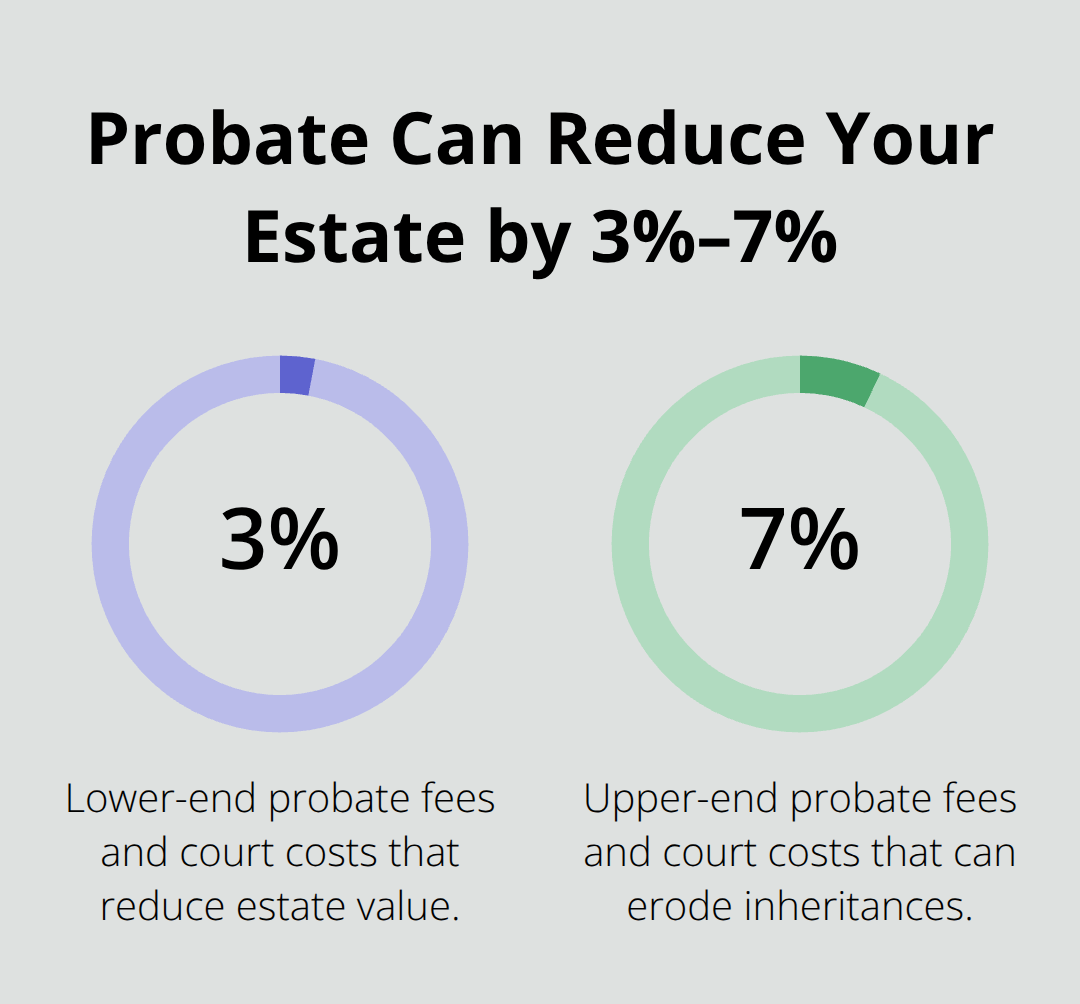
Digital assets and online accounts have created a layer of complexity that most people overlook entirely. Your social media profiles, email accounts, cryptocurrency holdings, and cloud storage contain valuable information and sometimes significant money, yet fewer than one in four Americans have documented their unprotected assets or shared access instructions with anyone. This gap matters because your family cannot access these accounts without proper documentation, even if they hold substantial value or contain irreplaceable memories. The practical solution requires three steps: document every significant account and asset, store passwords securely using a password manager, and create clear written instructions about what matters most to you.
Medical Emergencies Demand Immediate Decisions
A heart attack, stroke, or serious accident can leave you unable to communicate for weeks or months. Without a healthcare directive naming someone to make medical decisions, hospitals may struggle to know your treatment preferences while your family watches helplessly. Your family shouldn’t have to guess whether you wanted aggressive medical intervention or preferred comfort care. These decisions cannot wait-they demand clarity now, before a crisis forces your loved ones to make assumptions about your wishes. The documents you create today directly shape how your family responds when time matters most.
The Four Documents That Actually Protect Your Legacy
A will alone leaves your family exposed to probate delays and public court proceedings, which is why building your plan around four interconnected documents matters far more than relying on a single tool. Your will names beneficiaries and designates a guardian for minor children, but it passes through probate, meaning a judge oversees the distribution and your family’s financial details become public record. A revocable living trust holds your assets during your lifetime and transfers them to beneficiaries after your death without court involvement, saving your family 3% to 7% of your estate’s value in probate fees while keeping everything private. The difference matters substantially: a family with a $500,000 estate avoids $15,000 to $35,000 in probate costs through a trust structure. Powers of attorney give someone the authority to handle your finances and property if you become incapacitated, preventing your family from needing court approval to pay bills or manage investments while you recover from an illness or injury. Healthcare directives document your medical preferences and name a healthcare proxy who can make treatment decisions if you cannot communicate, ensuring hospitals know whether you want aggressive intervention or comfort-focused care without forcing your family to make assumptions under pressure.
Why Wills and Trusts Serve Different Purposes
Many people believe a will is sufficient, but wills only address what happens after death and require probate court approval before anyone can access your assets. Trusts operate during your lifetime and after death, giving you control while living and avoiding probate entirely when structured correctly. If you own real estate, significant investments, or want to protect privacy, a trust should anchor your plan. If you have minor children, your will must name a guardian and establish trusts within it to manage their inheritance until they reach adulthood, since you cannot leave money directly to a child under 18.
Powers of Attorney Protect You Before Death Ever Enters the Picture
Incapacity strikes more frequently than death: the Council for Disability Awareness reports that one in four of today’s 20-year-olds will experience a disability lasting 90 days or more during their working years. Without a financial power of attorney, your spouse or adult children cannot pay your mortgage, medical bills, or access your bank accounts if you suffer a stroke or serious accident. A durable power of attorney remains valid even if you become incapacitated, whereas a regular power of attorney expires if you lose capacity. Healthcare directives work similarly by naming someone to make medical decisions when you cannot, preventing your family from facing court battles to establish guardianship while you need immediate medical attention.
Healthcare Directives Shape Your Medical Future
Your healthcare directive accomplishes what no other document can: it communicates your values and preferences to medical professionals when you cannot speak for yourself. This document names a healthcare proxy (someone you trust completely) and specifies whether you want life-sustaining treatment, organ donation, or comfort care as your priority. Hospitals and doctors rely on this directive to honor your wishes without forcing your family to make agonizing guesses about your intentions. Without it, your loved ones may face weeks of uncertainty while medical teams pursue aggressive treatment that contradicts what you would have chosen.
Coordinating All Four Documents Creates Real Protection
These four documents only work together when they reference each other and reflect the same intentions across all accounts and assets. Your will, trust, powers of attorney, and healthcare directive must align so that one person cannot contradict another’s authority, and your beneficiary designations on bank accounts and retirement plans must match your overall plan. Many families discover conflicts only after a crisis hits, when it becomes too late to clarify your wishes. The coordination step separates plans that actually protect your legacy from documents that sit in a drawer creating false confidence.
With these four documents in place, your family has the legal authority and clear guidance they need when facing incapacity or death. The next step involves identifying which specific assets belong in your trust and which beneficiary designations need updating to match your overall strategy.
Common Mistakes That Undermine Your Legacy
Beneficiary Designations That Contradict Your Will
Most people create estate planning documents and assume the work is finished, but the real damage happens in the gaps between what you write and what actually happens. Your bank account lists your sister as beneficiary, your life insurance names your ex-spouse, and your investment account has no named beneficiary at all-each of these creates a separate legal pathway that overrides your written wishes. When these conflicts surface after your death, your family faces probate delays, legal disputes, and the heartbreak of watching assets go somewhere you never intended.
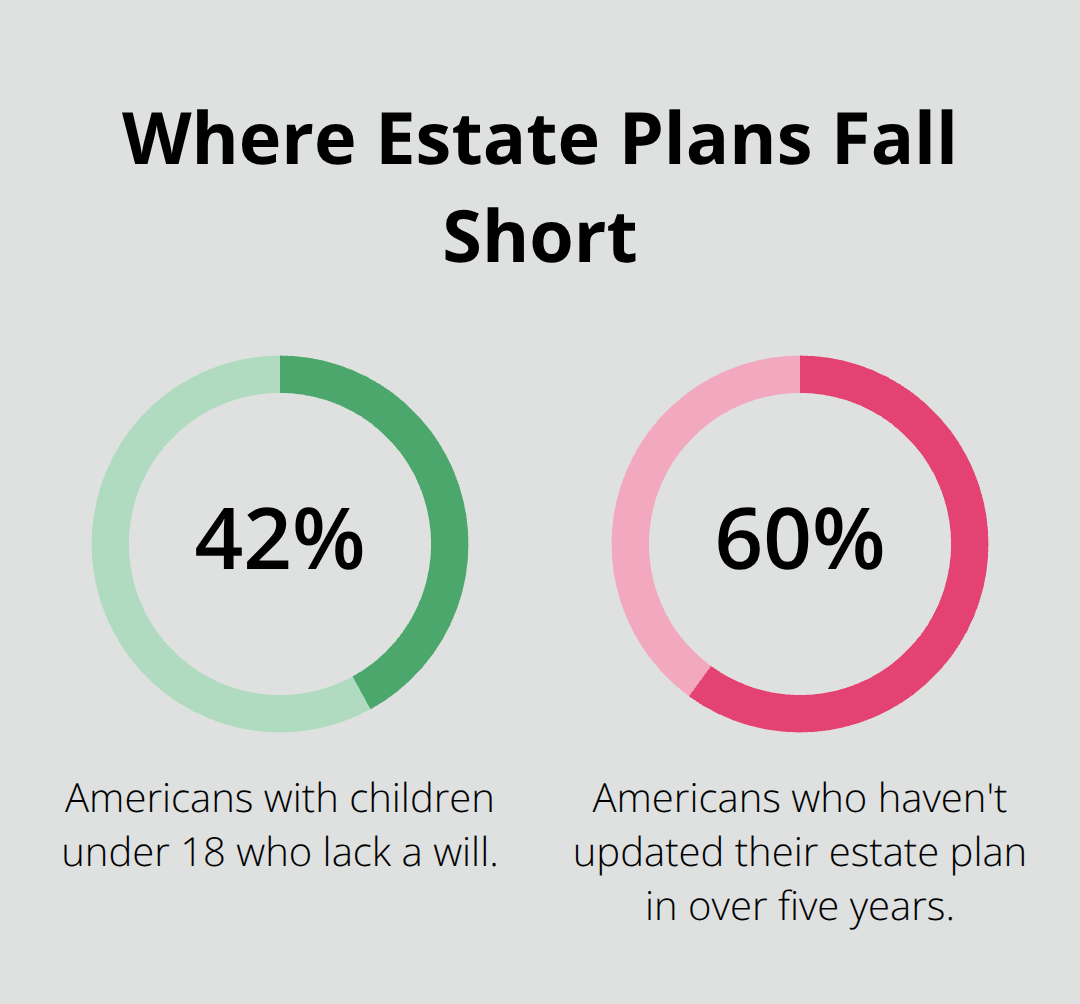
The Federal Reserve’s Survey of Household Economics and Decisionmaking found that roughly 42% of Americans with children under 18 lack a will entirely, yet even those who do create documents often leave critical inconsistencies that courts must untangle. We see families lose thousands of dollars because beneficiary designations on a retirement account contradict what the will says, or because someone updated their trust but forgot to retitle their house into it.
The solution requires brutal honesty: you must audit every single account and document to ensure they all point in the same direction.
Life Changes That Render Plans Obsolete
Life changes fast, and most people’s estate plans don’t keep pace. Marriage, divorce, the birth of children, significant financial gains, or the death of someone you named as executor can all render your carefully drafted documents outdated within months. A study by Caring.com found that 60% of Americans haven’t updated their estate plan in over five years, and many never update them at all after the initial creation.
If you divorced ten years ago but never removed your former spouse from your will or updated beneficiary designations, your ex-spouse may inherit your entire estate despite remarrying and moving on with their life-this actually happens, and state courts have upheld it repeatedly. The practical solution is calendar-based: review your entire plan every two to three years, and immediately after any major life event like marriage, divorce, the birth of a child, significant inheritance, or a major purchase of real estate.
Digital Assets Left Without Instructions
Digital assets create a separate problem that most people ignore entirely. Your social media profiles, email accounts, cryptocurrency wallets, and online banking access contain valuable information and sometimes significant money, yet most people leave no instructions about passwords or account recovery. Families must hire lawyers just to gain entry to accounts that should transfer automatically, turning a straightforward inheritance into an expensive legal battle.
DIY Documents That Courts Challenge
Creating documents without professional guidance that courts later challenge is perhaps the most expensive mistake of all. Online templates and DIY estate planning tools may save money upfront, but they frequently contain ambiguous language, miss state-specific requirements, or fail to coordinate documents properly-leading to probate disputes that cost families far more than professional guidance would have. Courts regularly void provisions or entire documents because they don’t meet statutory requirements, leaving your family with intestacy rules deciding distribution instead of your actual wishes.
Professional guidance prevents these costly conflicts before they happen. The coordination step separates plans that actually protect your legacy from documents that sit in a drawer creating false confidence.
Final Thoughts
The foundations of estate planning rest on one simple truth: the documents you create today determine whether your family faces clarity or chaos when you cannot speak for yourself. Without a coordinated plan, your assets scatter across probate courts, your digital accounts remain locked away, and your medical wishes go unknown when hospitals need answers immediately. The four documents we’ve covered-wills, trusts, powers of attorney, and healthcare directives-work together to prevent these outcomes, but only when they align and reflect your actual intentions across every account and beneficiary designation.
Starting now matters far more than waiting for the perfect moment. Every year you delay increases the risk that a medical emergency or unexpected death will force your family to navigate intestacy laws, probate delays costing 3% to 7% of your estate’s value, and disputes over assets you never intended to go where they end up. The mistakes we’ve outlined-inconsistent beneficiary designations, outdated documents, forgotten digital assets, and DIY tools that courts later challenge-are entirely preventable through professional guidance and regular reviews.
We at Family, Estate & Mediation Law Group help individuals and families across Northeast Florida build plans that actually work. Contact us to schedule a consultation and transform your estate planning from a nagging worry into a completed foundation that protects what you’ve built and gives your family the clarity they deserve.