Your will is one of the most important documents you’ll create, yet many people in St. Augustine and Palatka, FL don’t understand the different options available to them. Types of wills explained in this post range from straightforward documents to sophisticated planning structures that protect your family and assets.
At Family, Estate & Mediation Law, we’ve helped countless families navigate these choices. The right approach depends on your situation, your assets, and your goals.
Simple Wills and Their Purpose
What Goes Into a Simple Will
A simple will in St. Augustine and Palatka, FL works best when your situation is straightforward. You own a home, maybe some savings, and you know exactly who should inherit your assets. The document itself contains the essentials: your name, a statement that this is your will, identification of an executor to carry out your wishes, specific bequests of property or money, and guardianship designations if you have minor children. Nothing fancy. Nothing complicated. According to the American Bar Association, about 60% of American adults lack a will at all, which means a simple will puts you ahead of most people. The cost typically runs between $300 and $1,000 if you work with an attorney, or as low as $50 to $200 if you use online document services. For many families in our area, this straightforward approach handles everything they need.
When Simple Stops Working
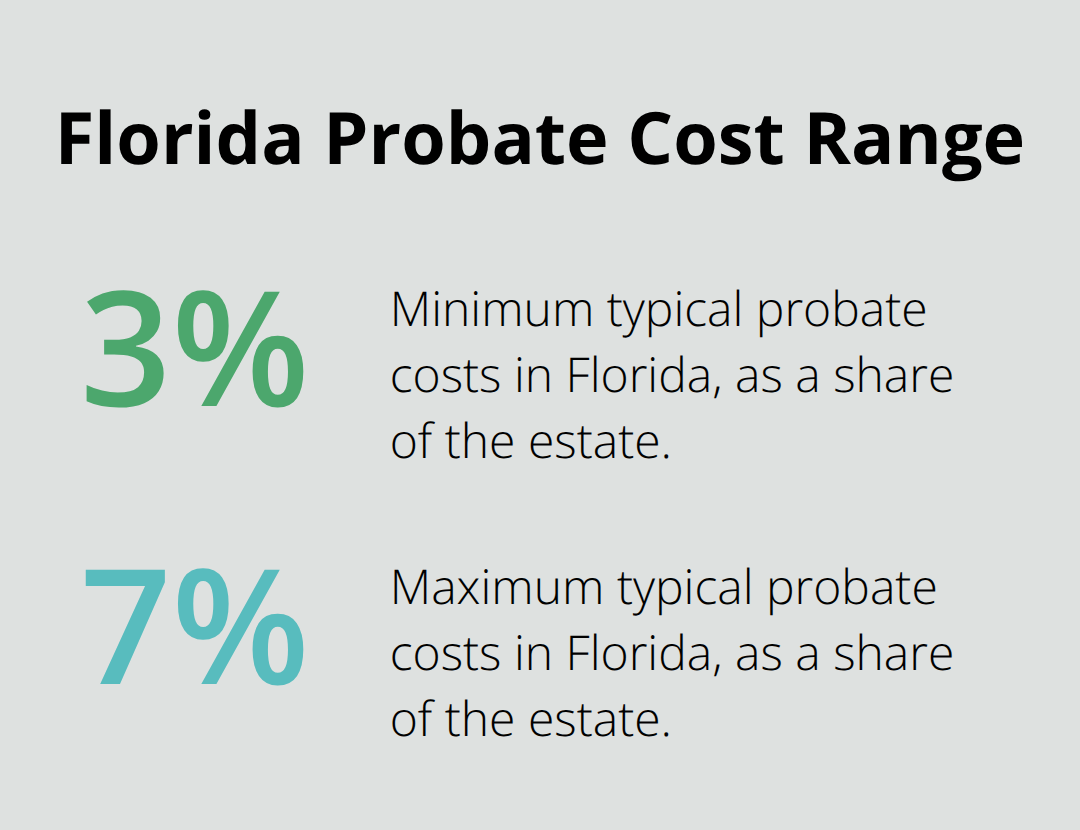
The moment your situation becomes more complex, a simple will loses its power. If you own property in multiple states, have significant assets, want to minimize estate taxes, have blended family situations, or own a business, you’ve outgrown this document. A simple will also sends everything through probate, which in Florida takes an average of 6 to 12 months and costs 3% to 7% of your estate in fees and court costs. If your estate exceeds $100,000, probate becomes genuinely expensive. Additionally, a simple will offers zero privacy since probate records are public.
Anyone can walk into a courthouse and see exactly what you owned and who inherited it.
Why Guardianship Matters More Than You Think
Parents with minor children should recognize that a simple will doesn’t create the detailed guardianship protections or financial management structures that more sophisticated planning provides. A basic will names a guardian, but it doesn’t establish trusts to manage funds until your children reach adulthood (typically age 18 or 21). This means a court-appointed conservator could control your child’s inheritance, subject to ongoing judicial oversight and fees. More advanced planning structures (like testamentary trusts within your will) allow you to specify exactly when and how your children access money, protecting them from poor financial decisions during their formative years.
Moving Toward Solutions That Fit Your Life
As your circumstances grow more complex, your estate plan must evolve alongside them. The gap between what a simple will provides and what your family actually needs often becomes apparent only after problems arise. Understanding testamentary trusts and living trusts gives you options that address these gaps without unnecessary complexity.
Testamentary Trusts and Living Trusts in St. Augustine and Palatka, FL
How Testamentary Trusts Work
A testamentary trust sits inside your will and activates only after you die. Your will names an executor, who probates the document through Florida’s court system, and once the court approves it, the testamentary trust provisions take effect to manage assets for your beneficiaries. This approach offers simplicity during your lifetime-you avoid the paperwork and costs of maintaining a separate trust while alive. However, testamentary trusts still funnel everything through probate, which means those 6 to 12 months of delay and 3% to 7% in costs still apply to your family’s inheritance process.
The Living Trust Advantage
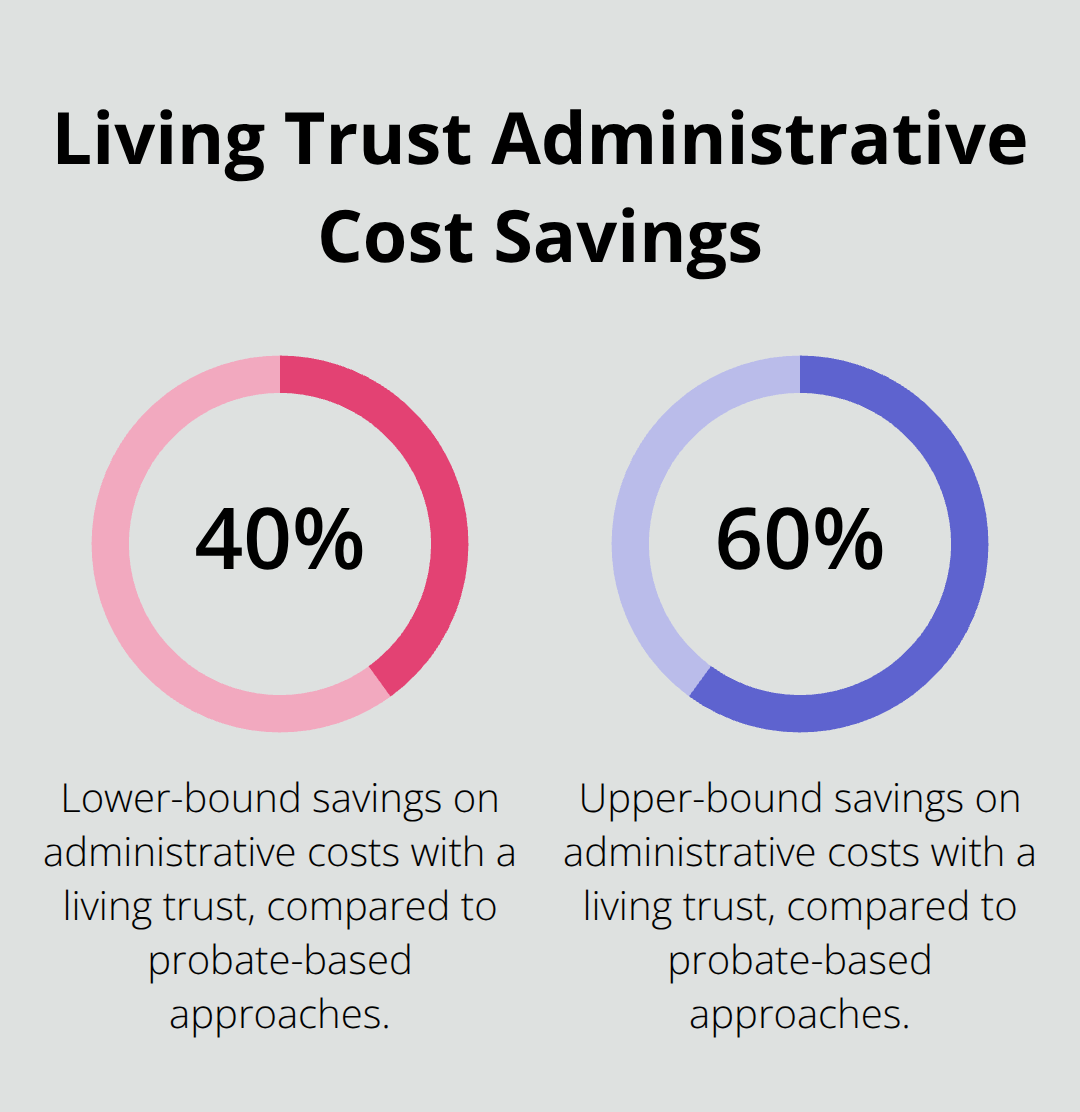
A living trust operates during your lifetime and transfers assets outside probate entirely. You create the trust, fund it with your property, and name yourself as trustee while you’re alive. When you pass away, a successor trustee you’ve named steps in to distribute assets immediately, without court involvement. The Florida Bar reports that living trusts avoid probate delays and public disclosure, protecting your family’s privacy while reducing administrative costs by 40% to 60% compared to probate-based approaches.
Comparing Upfront and Long-Term Costs
Living trusts cost more upfront-typically $1,500 to $3,500 with an attorney in our area-but they save significantly on the backend. A testamentary trust costs less initially, perhaps $800 to $1,500, but then your family faces probate expenses that often exceed the upfront savings. The real decision hinges on your assets and your tolerance for court involvement. If your estate is under $75,000 and straightforward, a testamentary trust may suffice. If you own property in multiple states, have a blended family, want to avoid probate delays, or simply value privacy, a living trust becomes the practical choice.
Matching Your Assets to the Right Structure
The cheapest option at the start rarely remains the cheapest option at the end. Your choice should depend on whether you want your family managing assets efficiently after your death or waiting months for a judge’s approval while paying court fees. Families with modest, single-state estates often find testamentary trusts adequate. Those with significant assets, complex family situations, or privacy concerns (particularly business owners and property holders across state lines) benefit from living trusts’ immediate asset distribution and confidentiality. As your circumstances grow more complex, your estate plan must evolve alongside them-and sometimes that evolution requires structures that go beyond trusts altogether.
Complex Estate Planning Strategies for St. Augustine and Palatka, FL
Irrevocable Trusts and Tax Protection
Families with substantial wealth, multiple properties, or specific charitable intentions need structures that go far beyond simple wills and basic trusts. Irrevocable trusts serve a distinct purpose that living trusts cannot: they permanently remove assets from your taxable estate, reducing what the IRS can claim when you die. The federal estate tax exemption stands at $13.61 million per person in 2026, but it drops to approximately $7 million in 2027 unless Congress acts. For high-net-worth individuals in St. Augustine and Palatka, FL, an irrevocable trust created now locks in today’s higher exemption and protects assets from future tax increases.
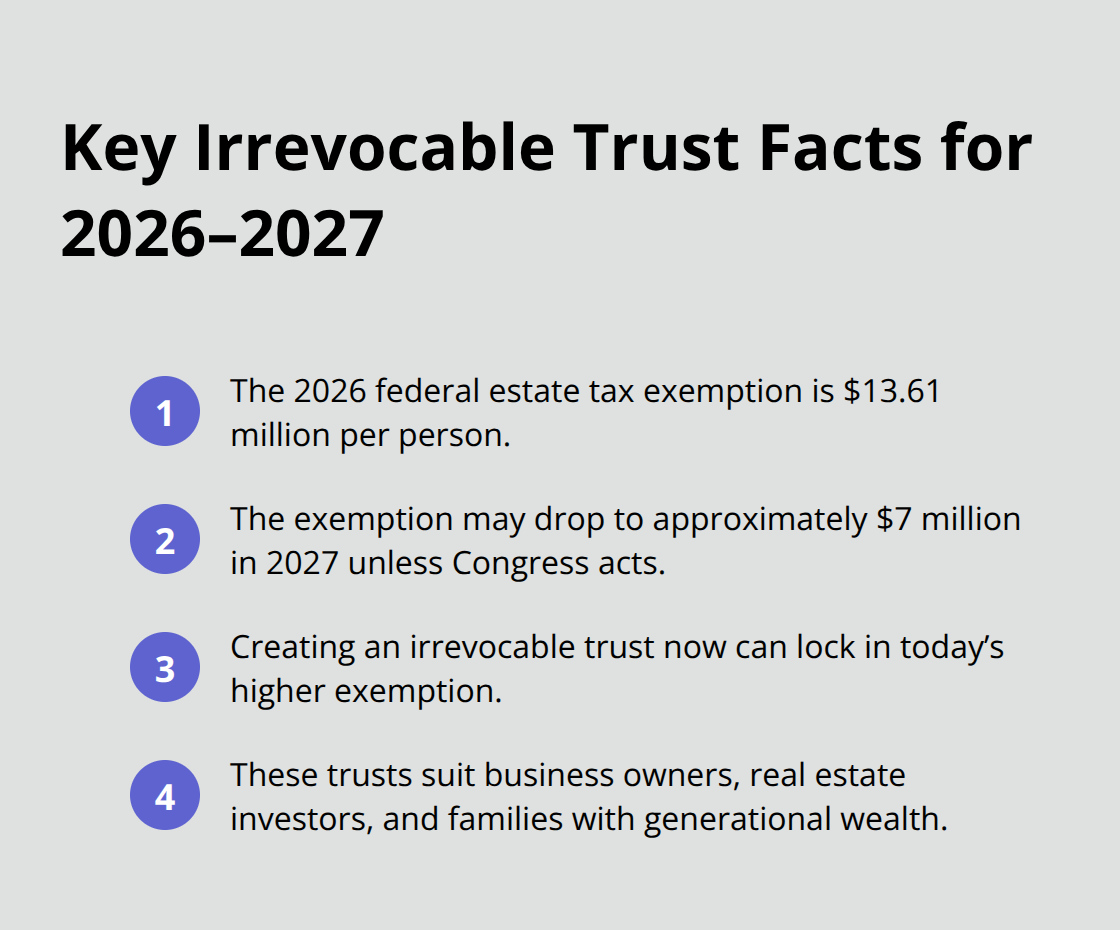
These trusts work particularly well for business owners, real estate investors, and families with generational wealth.
The permanence of an irrevocable trust creates both its strength and its limitation. Once you fund an irrevocable trust, you cannot change it or access those assets yourself. This restriction is precisely what makes them powerful for tax planning. A Qualified Personal Residence Trust (QPRT) lets you live in your home rent-free for a set period while transferring it to heirs at a reduced gift tax cost. An Intentional Defective Grantor Trust (IDGT) allows you to sell assets to the trust at below-market rates, freezing their value for tax purposes while future appreciation passes to beneficiaries tax-free.
Strategic Charitable Giving Approaches
Charitable giving strategies deserve attention if philanthropy matters to you. A Donor-Advised Fund lets you contribute assets, receive an immediate tax deduction, and then recommend grants to charities over time-giving you the tax benefit now while controlling distributions later. If you own appreciated stock or real estate, donating it directly to a Donor-Advised Fund avoids capital gains tax entirely, a significant advantage over selling and donating cash.
A Charitable Remainder Trust provides you with income during your lifetime, then passes remaining assets to your chosen charities. For business owners and property holders, this structure transforms illiquid assets into steady income while generating substantial tax deductions. These vehicles combine personal financial security with philanthropic impact.
Multi-State and International Asset Considerations
Multi-state property ownership complicates everything. Owning real estate in Florida and Georgia, for example, means each state’s probate laws apply to that property unless you plan ahead. A living trust funded with out-of-state property avoids probate in both states, protecting your family from duplicative court proceedings and fees.
International considerations add another layer of complexity. If you have assets abroad or beneficiaries outside the United States, your estate plan must address foreign tax treaties, currency risks, and jurisdictional complications. These elements require specialized attention to prevent unintended tax consequences and ensure smooth asset transfer across borders.
When Advanced Planning Becomes Necessary
Anyone with assets exceeding $1 million, property in multiple states, significant charitable intentions, or complex family situations should move beyond basic planning structures. These advanced strategies demand professional attention, but the tax savings and asset protection they provide make them worthwhile investments for those who qualify.
Final Thoughts
Your situation determines which approach makes sense. A simple will works if you have modest assets, live in one state, and want straightforward distribution to your heirs. A living trust becomes necessary when you own property across state lines, want to avoid probate delays, or value privacy for your family. Irrevocable trusts and advanced strategies belong in the hands of those with substantial wealth, significant tax exposure, or specific charitable goals.
The gap between what you think you need and what actually protects your family often reveals itself too late. Many people in St. Augustine and Palatka, FL assume their situation is simple until they face a crisis-a blended family situation, an unexpected business valuation, or property acquired in another state can shift everything. Planning ahead costs far less than addressing problems after they arise.
Write down your assets, identify your beneficiaries, note any out-of-state property, and consider your family’s situation. Then contact Family, Estate & Mediation Law for a conversation about which structure fits your life. Types of wills explained in this post represent different solutions to different problems, and we help families across Northeast Florida match their estate plan to their actual circumstances.