Most families in St. Augustine and Palatka, FL don’t realize their estate plans contain serious vulnerabilities until it’s too late. Outdated beneficiary designations, poorly structured trusts, and uncoordinated documents cost heirs thousands in unnecessary taxes and legal fees every year.
We at Family, Estate & Mediation Law have seen these estate plan red flags destroy families’ financial security. This guide shows you exactly what to watch for and how to fix it.
When Beneficiary Designations Go Wrong in St. Augustine and Palatka, FL
Life Changes Demand Updated Paperwork
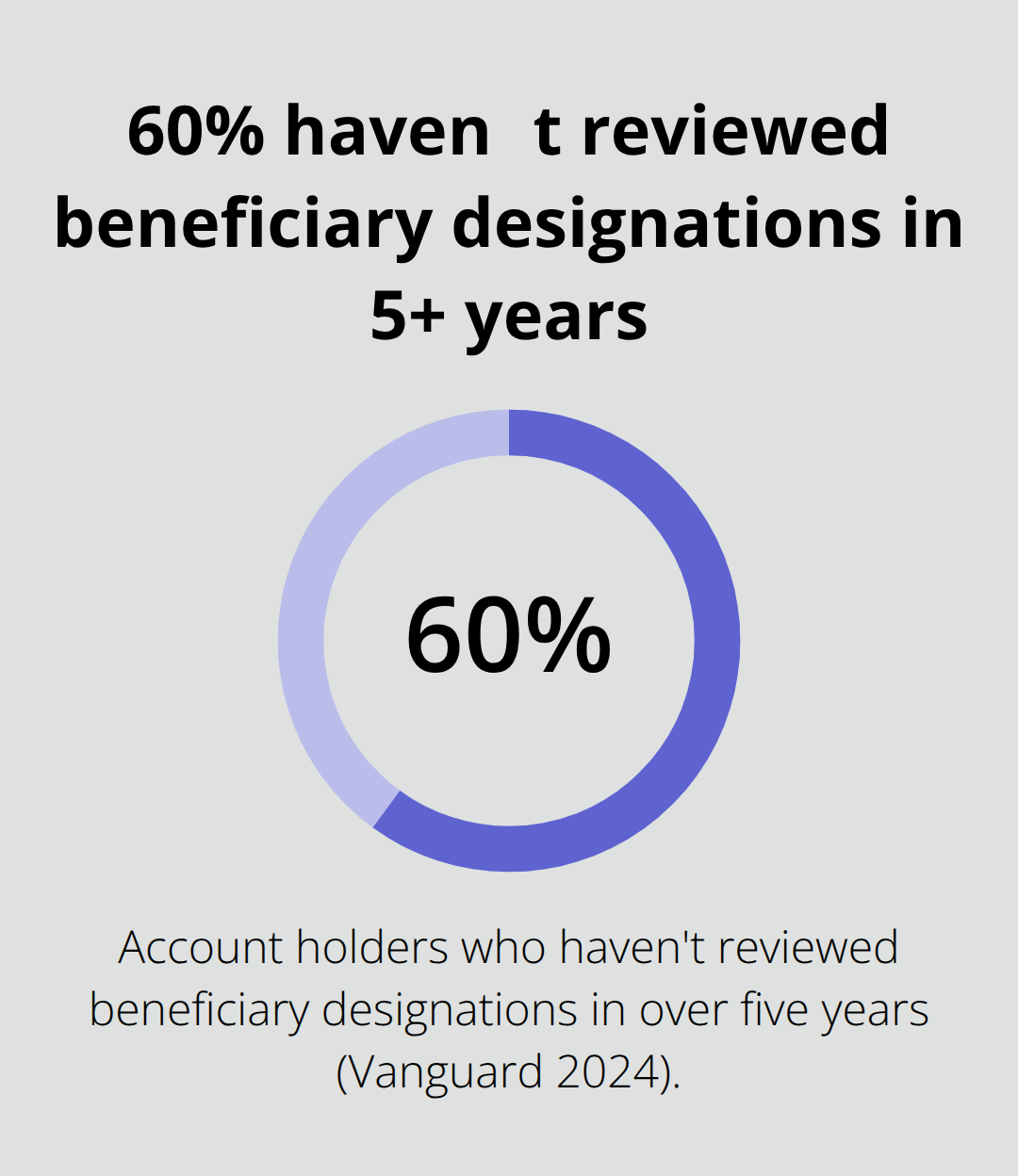
Your beneficiary designations rank among the most powerful documents you own, yet most people treat them like set-it-and-forget-it paperwork. Life changes dramatically-you get divorced, remarried, have children, or experience estrangement-but your beneficiary forms stay frozen in time. According to Vanguard’s 2024 retirement account analysis, approximately 60% of account holders haven’t reviewed their beneficiary designations in over five years. This inaction creates a direct pipeline of money to people you no longer want it going to.
Bank accounts, investment portfolios, life insurance policies, and retirement accounts all pass directly to named beneficiaries outside of your will, which means probate court has zero authority to redirect them. If your ex-spouse remains listed as beneficiary on a $500,000 life insurance policy because you never updated it after divorce, that money bypasses your children entirely and goes straight to your ex. This happens constantly in families throughout St. Augustine and Palatka, FL, and it’s completely preventable.
Conflicting Documents Fracture Families
The real damage occurs when your beneficiary designations conflict with your will’s intentions. You might have written a will stating that your estate should be divided equally among three children, but your retirement account names only one child as beneficiary. That child receives the $300,000 account while the other two split whatever remains after taxes and debts-creating resentment that fractures families for decades.
Taking Action Now Prevents Future Conflict
Pull your current beneficiary forms from every financial institution and compare them against your will. If inconsistencies exist, contact each institution immediately to file amendment forms. Don’t assume digital updates automatically sync across platforms (some institutions require wet signatures on official forms). For retirement accounts specifically, naming a trust as beneficiary rather than individuals can provide better tax planning and creditor protection, though this requires careful structuring to avoid unintended tax consequences.
The coordination between your beneficiary designations and overall estate structure determines whether your heirs receive what you intended or face costly disputes. This coordination challenge extends beyond simple beneficiary forms into how your entire estate plan functions together-a problem we at Family, Estate & Mediation Law addresses through comprehensive document review for families in St. Augustine and Palatka, FL.
Why Your Estate Plan Might Leave Your Family Broke
Most families in St. Augustine and Palatka, FL overlook three structural problems that drain hundreds of thousands from estates during settlement. These aren’t minor technicalities-they’re systematic failures that transform what should be straightforward inheritance into a financial catastrophe. The IRS doesn’t care about your intentions; it only cares about proper structure and timing.
Liquid Assets Vanish When Taxes Come Due
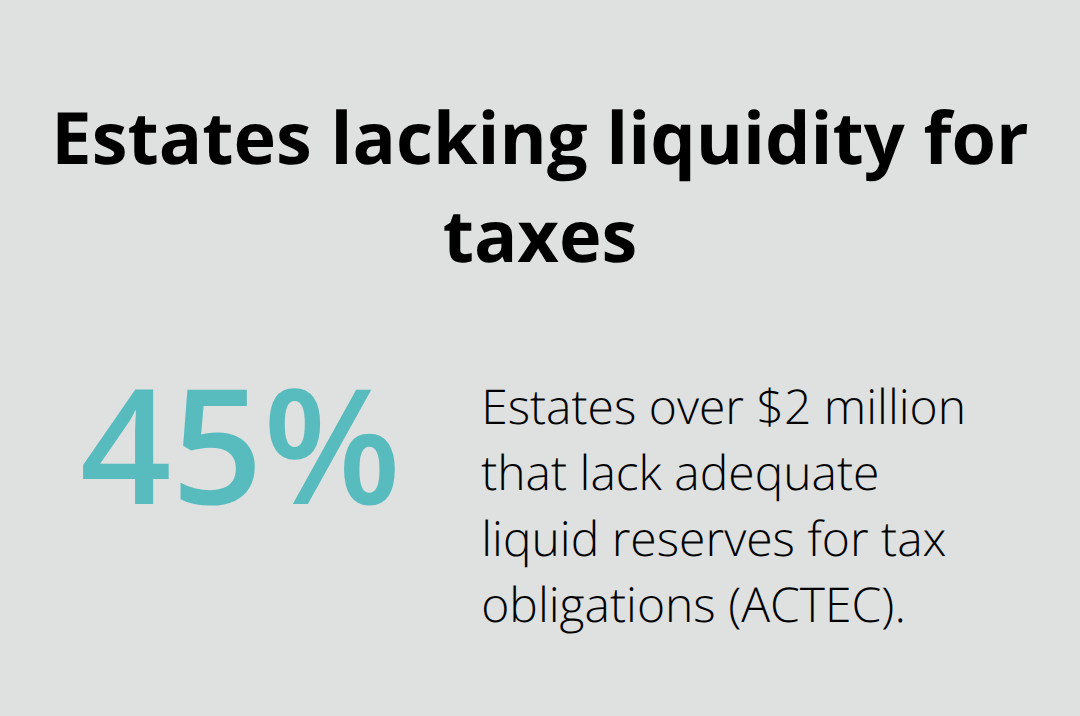
Your estate faces immediate tax bills the moment you die, but most people structure their assets in ways that make paying those bills nearly impossible. If you own real estate, a successful business, or significant retirement accounts but hold little cash, your heirs must either liquidate assets at fire-sale prices or borrow money at steep rates to cover estate taxes. According to the American College of Trust and Estate Counsel, approximately 45% of estates with assets exceeding $2 million fail to maintain adequate liquid reserves for tax obligations. Your heirs end up selling the family home or business-not because they want to, but because they have no other way to pay what the government demands.
Federal estate taxes alone can reach 40% of your taxable estate, and Florida’s lack of state income tax provides zero relief here. A $5 million estate might face $1.2 million in federal taxes due within nine months, with no flexibility for extension if liquid funds don’t exist. This deadline isn’t negotiable, and penalties for late payment compound quickly.
Trust Structure Determines Tax Burden
The way you title assets and structure your trust either multiplies or minimizes taxes your heirs owe. A revocable living trust provides probate avoidance but offers zero tax reduction-everything inside still counts as part of your taxable estate. Many people believe creating a trust automatically saves taxes, which costs families tens of thousands in unnecessary payments.
Irrevocable trusts, spousal lifetime access trusts, and qualified personal residence trusts each serve specific tax-reduction purposes, but they require precise funding and documentation to function. A poorly drafted irrevocable trust that fails to properly transfer ownership of assets sits empty and useless while your estate still pays full taxes. Moving assets into the wrong trust structure can trigger immediate gift taxes or create unintended income tax consequences for beneficiaries.
How Asset Titling Affects Your Tax Outcome
The coordination between how you title your home, business interests, investment accounts, and life insurance determines whether your heirs inherit assets efficiently or watch the government claim an outsized portion before they receive anything. Most people title assets without considering tax implications, then discover too late that their structure created unnecessary liability. Your beneficiary designations on retirement accounts and life insurance policies (which pass outside probate) interact with your trust structure in ways that either compound or reduce overall tax exposure.
Families in St. Augustine and Palatka, FL who fail to coordinate these elements across all their assets watch thousands disappear to preventable taxes. The next section addresses how we at Family, Estate & Mediation Law help families identify and correct these structural vulnerabilities before they cost your heirs their inheritance.
How We Stop Your Plan From Failing in St. Augustine and Palatka, FL
We Start With a Complete Document Review
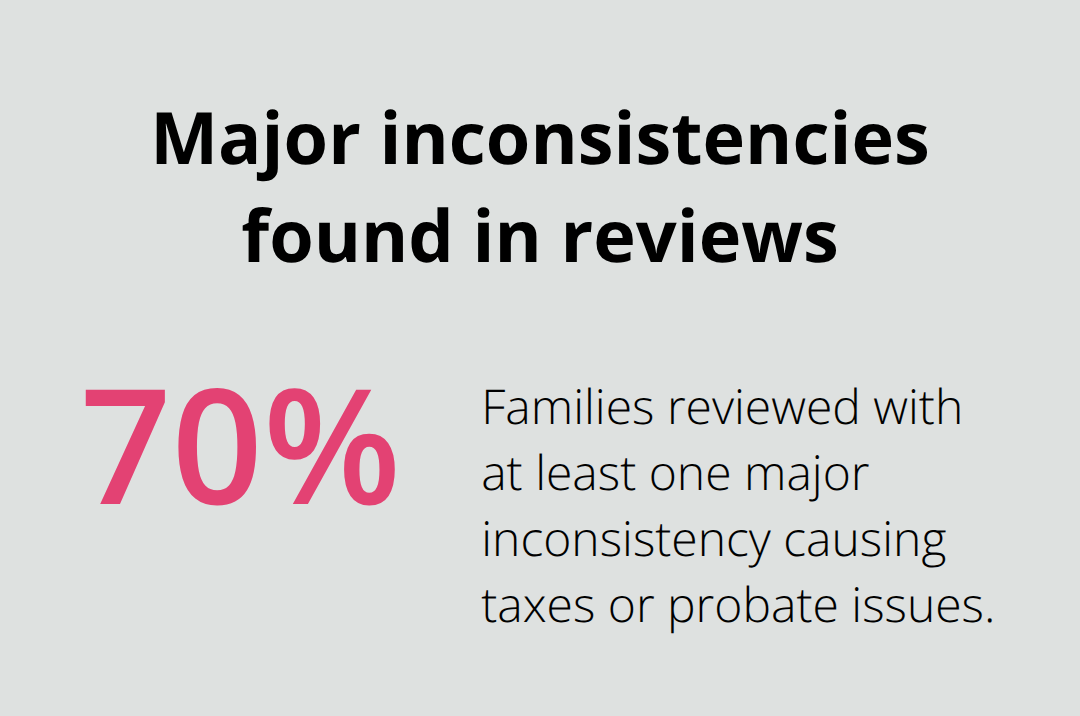
Families in St. Augustine and Palatka, FL contact us after discovering their estate plans contain serious vulnerabilities. At that point, the damage is often irreversible. The better approach catches these problems before they cost your heirs money. Our process starts with a thorough examination of every document you currently have in place. We compare beneficiary designations against your will, review how assets are titled, and identify gaps between what you own and how you’ve structured ownership. Approximately 70% of families we review have at least one major inconsistency that would trigger unnecessary taxes or probate complications.
During this initial review, we look at specific numbers: your total estate value, which assets fall inside probate versus outside it, your current tax exposure based on federal exemption limits, and whether your trust structure actually accomplishes what you intended. Many people discover they’ve been paying professional fees for a trust that sits empty while their most valuable assets remain titled in their individual names, completely defeating the trust’s purpose.
We Identify What’s Actually Broken
The examination reveals patterns that most people miss on their own. Your beneficiary forms might name an ex-spouse you divorced years ago. Your revocable living trust might hold only a checking account while your $800,000 investment portfolio remains in your individual name. Your will might direct assets one way while your retirement account beneficiary designation sends money somewhere else entirely. These inconsistencies don’t fix themselves, and they multiply in complexity as your family circumstances change.
We also assess your liquidity situation directly. If your net worth sits primarily in real estate or an operating business, we identify whether you’ve created adequate cash reserves for tax obligations. Most families haven’t, which means heirs face the choice between selling assets at unfavorable prices or borrowing money at steep rates to cover what the government demands.
We Fix Problems Strategically, Not Theoretically
Once we identify what’s broken, we help you fix it strategically rather than theoretically. This means updating beneficiary forms immediately where inconsistencies exist, retitling assets into your trust if that serves your tax situation, and restructuring how your accounts coordinate to minimize what the IRS ultimately claims. For families with estates exceeding $2 million in Florida, we examine whether irrevocable trust strategies make sense for your situation, since the federal exemption amount changes periodically and your plan must account for potential future tax law changes.
We also address the liquidity problem directly. If your net worth sits primarily in real estate or an operating business, we discuss life insurance strategies that create cash specifically for tax obligations without forcing your heirs to sell assets.
We Coordinate Everything Across Your Documents
The coordination we implement across your documents means your beneficiary designations, trust structure, asset titling, and tax strategy all work together rather than against each other. This is what separates plans that actually protect your legacy from ones that look good on paper but fail when they matter most. Family, Estate & Mediation Law focuses on the specific mechanics of your situation rather than generic estate planning templates, serving Northeast Florida families with practical, client-centered strategies that preserve relationships and legacies.
Final Thoughts
Estate plan red flags sit quietly in your files until they’ve already damaged your family’s financial security. Outdated beneficiary designations, uncoordinated documents, and poorly structured trusts cost heirs thousands in unnecessary taxes and legal complications that nobody anticipated. The families in St. Augustine and Palatka, FL who catch these problems early protect their legacies, while those who wait discover the damage only after it becomes irreversible.
Your estate plan requires regular reviews because life constantly shifts-marriages end, children arrive, businesses grow, and assets change. A plan that functioned perfectly five years ago might create serious vulnerabilities today, which is why the 60% of account holders who haven’t reviewed their beneficiary designations in over five years are essentially gambling with their families’ inheritance. Pull your current documents and compare them against each other to identify conflicts between your will and beneficiary designations, check whether your assets align with your trust structure, and verify that you’ve created adequate liquid reserves for tax obligations.
If you find inconsistencies (and most families do), contact Family, Estate & Mediation Law to schedule a comprehensive document review. We at Family, Estate & Mediation Law serve families throughout Northeast Florida who want to protect their legacies through practical, coordinated strategies rather than generic templates. Your family’s financial security depends on catching these problems now, not after probate court becomes involved.