Estate planning in Northeast Florida isn’t optional-it’s the foundation that protects your family and assets from unnecessary legal battles and delays. Without a solid plan tailored to Florida’s specific laws, your wishes may not be honored and your loved ones could face years of probate complications.
At Family, Estate & Mediation Law, we’ve seen firsthand how the right strategy makes all the difference. This guide walks you through what matters most and the mistakes to avoid.
Why Estate Planning Matters in Northeast Florida
Florida Law Takes Over Without Your Direction
Without an estate plan, Florida law takes over your decisions. The state’s intestacy statutes distribute your assets based on a rigid formula that ignores your actual wishes. If you die with minor children and no designated guardian, a judge-not you-decides who raises them. Families spend years and tens of thousands of dollars fighting probate courts because the decedent left no clear direction.
Probate Delays Cost Time and Money
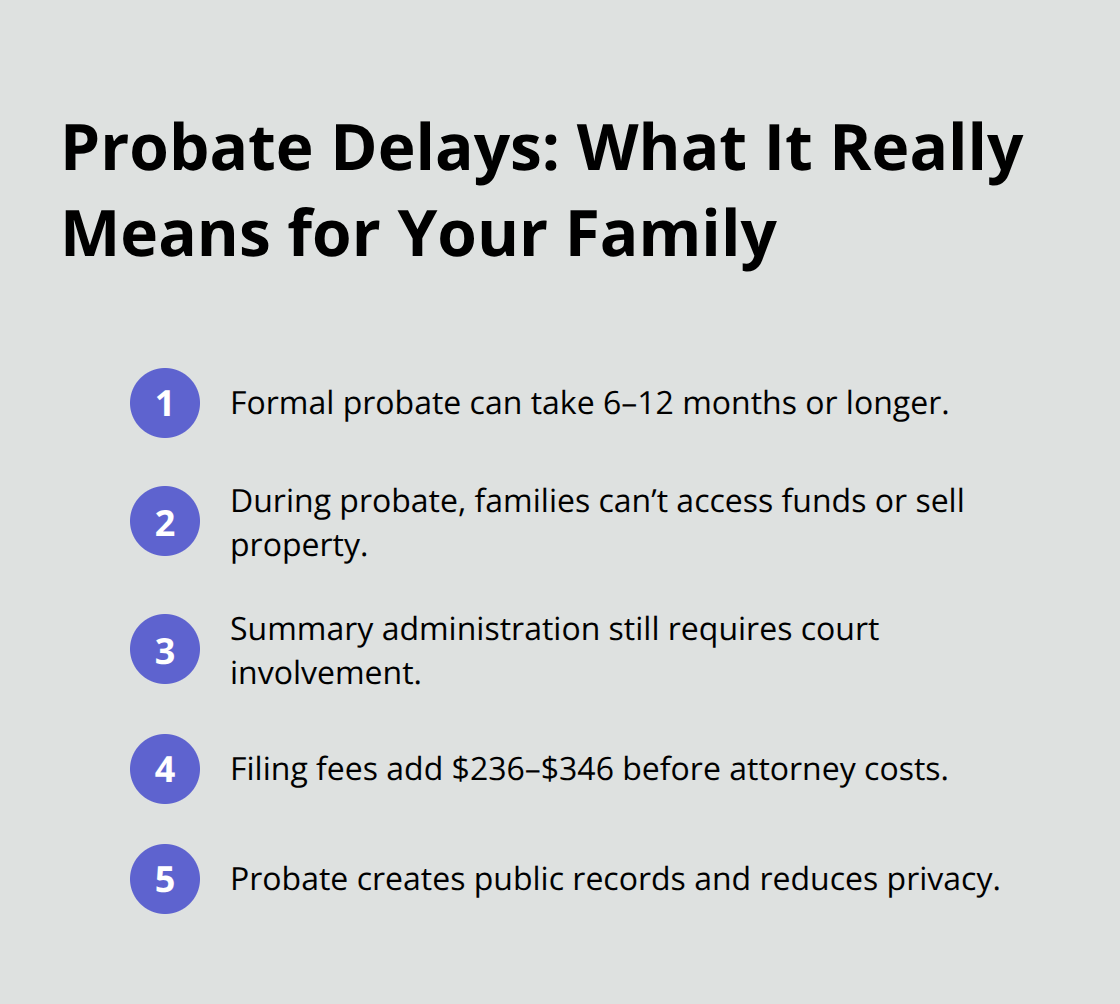
Florida’s probate process moves slowly. According to the Duval County Clerk of Courts, formal administration takes 6–12 months or longer, during which your family cannot access funds, sell property, or settle your affairs. Summary administration moves faster but still requires court involvement and costs between $236 and $346 in filing fees alone, not counting attorney fees.
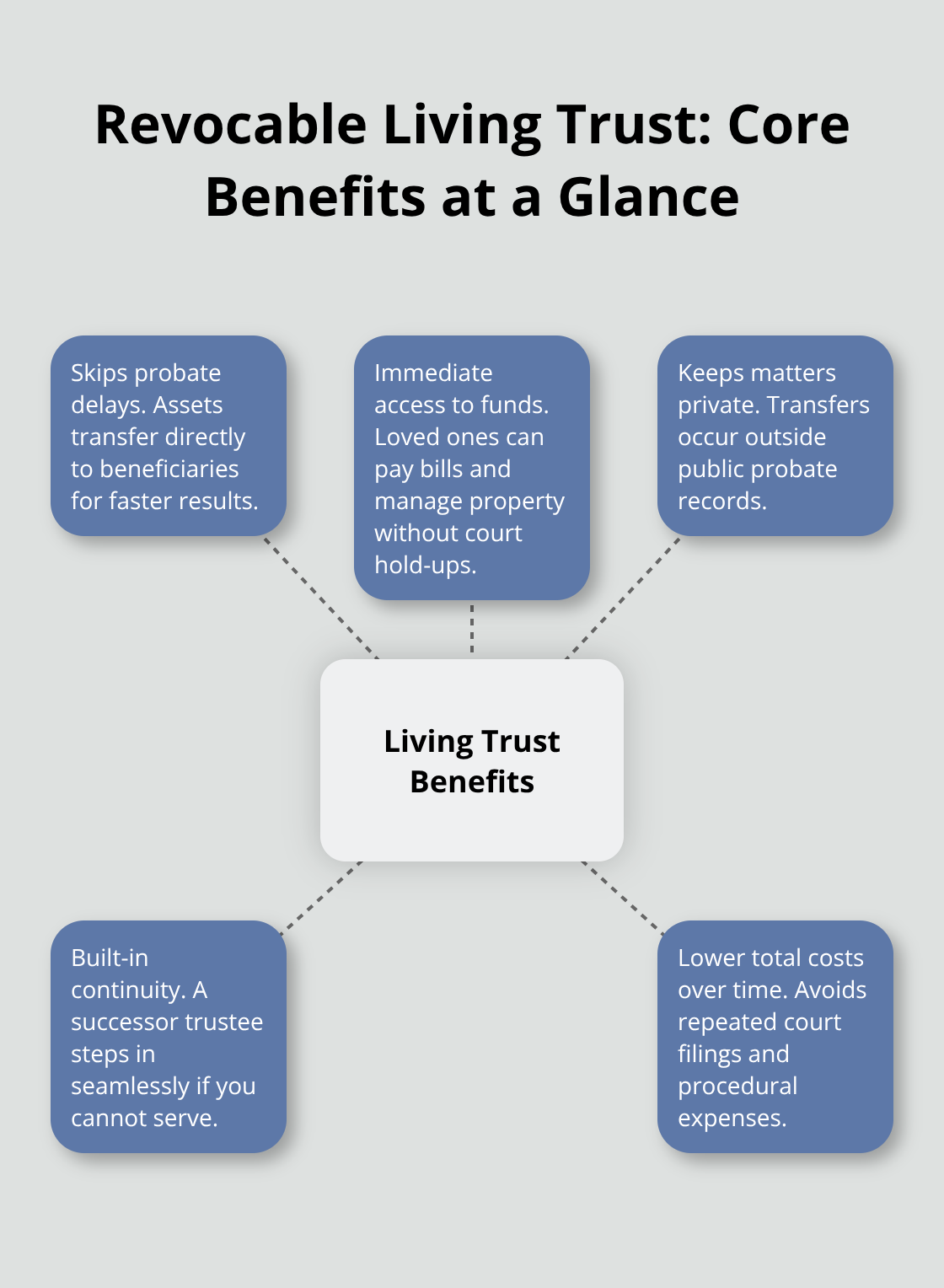
A revocable living trust avoids probate entirely-your assets transfer directly to beneficiaries outside the court system, which means faster access to money, lower costs, and complete privacy. Your family won’t appear in public records, and no one learns what you owned or who inherited it.
Florida’s Strict Execution Rules Create Real Risks
Florida’s laws are unique and strict. Wills must be signed in front of two competent witnesses-failure to meet this requirement invalidates the entire document. Homestead protections limit how you can transfer your primary residence if a surviving spouse or minor children exist, which can conflict with your actual intentions. Handwritten wills from other states are not recognized unless they meet Florida’s execution standards, so relocating to Northeast Florida without updating your documents creates serious problems.
Asset Titles and Beneficiary Designations Control Distribution
Digital assets-cryptocurrency, online bank accounts, social media profiles, email-are invisible to most traditional estate plans, leaving your family unable to access or manage them after you’re gone. Asset titles matter enormously. A house titled in your name alone goes through probate. The same house held in a revocable living trust bypasses probate completely. Bank accounts with named beneficiaries, life insurance policies, and retirement accounts bypass your will regardless of what it says. Misaligned titles and beneficiary designations are the most common reason estates end up contested or distributed contrary to the decedent’s wishes.
Plan for Incapacity Before It Happens
Florida recognizes the durable power of attorney and healthcare surrogate designation, which let you name someone to handle finances and medical decisions if you become incapacitated-avoiding costly guardianship proceedings that cost $400 or more in filing fees plus ongoing court oversight. These documents act now, not after death, protecting you and your family during your lifetime. The next section covers the specific components that form a complete estate plan.
Building Your Estate Plan’s Foundation
The Revocable Living Trust: Your Primary Tool
A revocable living trust forms the cornerstone of modern estate planning in Northeast Florida. Unlike a will, which only takes effect after death and requires probate court approval, a revocable living trust operates during your lifetime and transfers assets directly to beneficiaries outside the court system. This eliminates the 6–12 month probate timeline the Duval County Clerk of Courts typically requires for formal administration. Your family accesses funds immediately, sells property without court delays, and keeps everything private.
The trust document names you as trustee during your life, then automatically transitions to a successor trustee you’ve chosen-whether that’s a family member, a professional fiduciary, or a combination. The cost to establish a revocable living trust runs $1,500–$3,000 depending on complexity, but it saves your family far more in probate fees, court costs, and lost time.
Asset titling determines whether the trust actually works. Real estate, bank accounts, investment accounts, and business interests must be retitled into the trust’s name during your lifetime. Many people create a trust but fail to transfer assets into it, which means those assets still pass through probate. Florida law requires specific language in your trust documents to address homestead protections and ensure your intentions are legally enforceable, which is why a local attorney familiar with Fourth Judicial Circuit procedures should draft or review your trust.
Powers of Attorney and Healthcare Decisions
Your durable power of attorney and healthcare surrogate designation handle decisions while you’re alive but unable to act. A durable power of attorney lets your chosen agent handle bank transactions, pay bills, manage investments, and conduct business on your behalf if you become incapacitated-avoiding guardianship proceedings that cost $400 or more in filing fees plus ongoing court oversight and annual accounting requirements. Your healthcare surrogate makes medical decisions aligned with your values, and your living will documents your end-of-life preferences so medical providers know whether you want life support continued.
Beneficiary Designations and Digital Assets
Beneficiary designations on retirement accounts, life insurance policies, and certain bank accounts bypass your will and trust entirely-they pass directly to whoever you name. This creates a critical problem: if your beneficiary designations conflict with your estate plan, the designations win. A client with outdated beneficiary designations naming an ex-spouse on a $250,000 life insurance policy will see that money go to the ex-spouse regardless of what the will says. Review every beneficiary designation annually, especially after marriage, divorce, the birth of children, or significant financial changes.
Digital assets require specific attention. Cryptocurrency wallets, online banking credentials, social media accounts, and email require a digital asset inventory stored securely with instructions for your trustee or executor. Florida recognizes digital assets as property, and without clear documentation, your family faces months of delay or permanent loss of access to accounts and funds. Once you’ve established these foundational documents, the next step involves addressing the specific mistakes that derail even well-intentioned plans.
Common Estate Planning Mistakes Northeast Florida Residents Make
Outdated Documents Create Conflict and Confusion
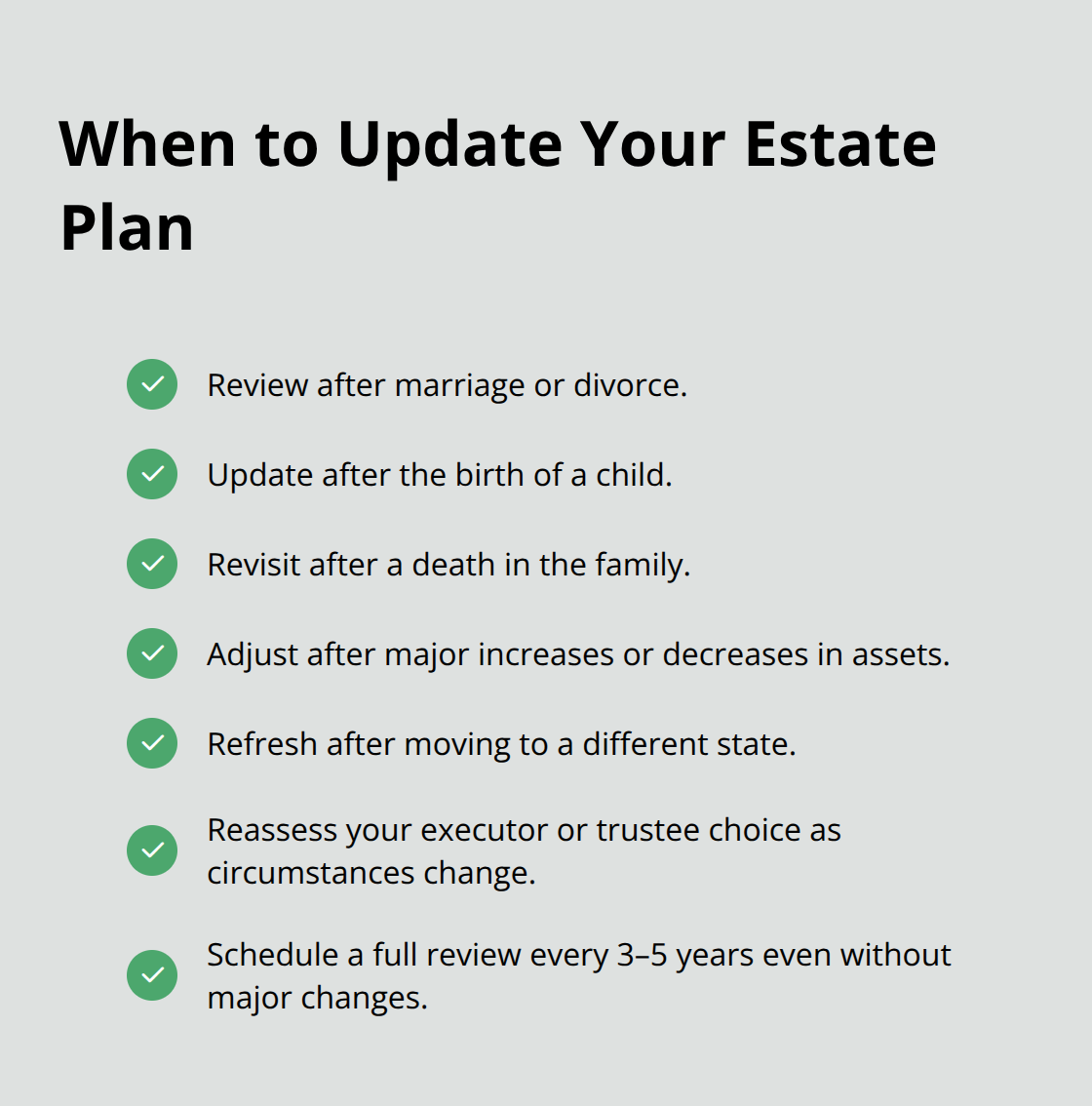
Most Northeast Florida residents fail to update their estate plan after major life events, which means their documents no longer reflect their actual situation. A marriage, divorce, birth of a child, or significant financial change occurs-yet the will or trust signed ten years ago remains unchanged. Florida courts have seen countless disputes arise when a will names a child born after the document was signed, or when a trust fails to account for a second marriage and blended family. Life changes trigger an immediate need to review and update every document. Marriage, divorce, the birth of a child, death in the family, substantial increases or decreases in assets, relocation to a different state, and changes in your choice of executor or trustee all require a complete review. We recommend reviewing your entire plan every three to five years even without major life changes, since Florida tax laws and probate procedures evolve.
Many clients resist updating because they assume the cost will be high, but updating a revocable living trust typically costs $500–$1,000, far less than the legal chaos that follows when outdated documents create conflict among heirs or fail to address current circumstances.
Digital Assets Disappear Without a Plan
Digital assets represent a major blind spot in most estate plans. Cryptocurrency holdings, online banking passwords, email accounts with sentimental value, social media profiles, and cloud storage containing family photos and documents are completely invisible to traditional wills and trusts. A client with $50,000 in cryptocurrency stored in a digital wallet leaves heirs with no access and no way to recover the funds without the private key. Your family cannot log into your email to notify contacts, access financial statements stored online, or retrieve irreplaceable photos and documents. Create a digital asset inventory that includes account names, login credentials stored securely, and clear instructions for your trustee on how to access and manage each account. Florida recognizes digital assets as property under state law, but your documents must explicitly address them or your executor faces months of delay and potential permanent loss.
The Wrong Trustee or Executor Costs Your Family Dearly
The third mistake involves choosing an executor or trustee based solely on family relationship rather than actual capability. Your spouse may be emotionally important but terrible with finances. Your oldest child may live out of state and lack time to handle complex probate or trust administration. A professional trustee or corporate fiduciary costs money (typically 0.5% to 1.5% annually of trust assets) but brings accountability, legal knowledge, and availability that family members often cannot provide. Florida law requires that anyone serving as executor or trustee in a probate matter be represented by an attorney, adding legal costs that mount quickly if your chosen representative lacks experience. Selecting the right person matters more than most residents realize.
Final Thoughts
Estate planning in Northeast Florida protects what matters most-your family’s financial security, your children’s guardianship, and your legacy. Without a clear plan, Florida law makes decisions for you, your family faces probate delays lasting 6–12 months, and assets may go to unintended beneficiaries. The right strategy prevents these outcomes entirely.
Local knowledge makes a real difference because Florida’s execution rules, homestead protections, and probate procedures differ from other states. A revocable living trust tailored to Fourth Judicial Circuit requirements, properly titled assets, updated beneficiary designations, and documented digital assets create a unified plan that actually works. Choosing the right trustee and reviewing your documents every three to five years keep your plan current and effective.
Contact Family, Estate & Mediation Law for a free 30-minute consultation to discuss your specific situation and next steps. We serve families across Northeast Florida and help you build estate plans that reflect your actual wishes and protect your futures. Start your estate plan today.