A trust is one of the most powerful tools available to protect your family’s future. Many seniors in St. Augustine and Palatka, FL overlook trusts for seniors because they assume their estates are too small or their families will figure things out. The reality is that without a trust, your loved ones face months of probate delays, public court proceedings, and unnecessary expenses.
We at Family, Estate & Mediation Law help seniors build trusts that keep assets private, avoid probate entirely, and provide clear direction for what happens to everything you’ve worked for.
Why Trusts Beat Probate for Seniors in St. Augustine and Palatka
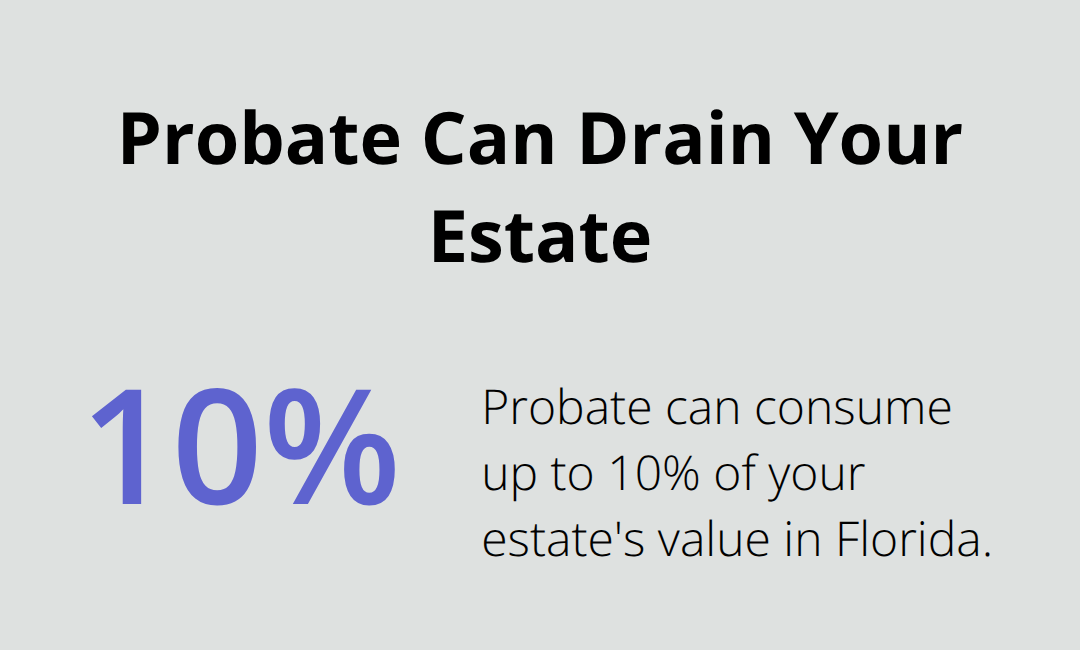
Probate is expensive and slow. In Florida, formal administration commonly takes six to twelve months or longer, while summary administration takes two to three months minimum. During that time, your family cannot access assets, your estate details become public record, and court fees eat into what your heirs receive. Without a trust, probate can consume up to ten percent of your estate’s value. A revocable living trust transfers ownership of your assets during your lifetime, so when you pass away, those assets skip probate entirely and go directly to your beneficiaries.
This means your family receives their inheritance in weeks, not months, and your financial information stays private instead of becoming court documents anyone can read.
Keeping Your Financial Life Private
Public probate proceedings expose your asset details, debts, and beneficiary names to anyone willing to look at court records. A trust keeps everything confidential. Your family’s financial situation, the value of your home, investment accounts, and who inherits what remain between you and your loved ones. For seniors in St. Augustine and Palatka who value privacy or have complex family situations, this distinction matters enormously. A trust also gives you flexibility during your lifetime-you can change beneficiaries, add assets, or adjust distribution terms without court involvement. You maintain complete control until you cannot manage your affairs, at which point your successor trustee steps in and follows your exact instructions. This prevents the need for guardianship proceedings, which are costly, restrictive, and public. Guardianship can cost thousands in court fees and ongoing supervision, whereas a trust-based plan handles incapacity privately and efficiently through the trustee you selected.
Directing Your Assets Exactly as You Intend
A will only takes effect after death and requires probate to be enforced. A trust works during your life and after. You specify exactly how much each beneficiary receives, when they receive it, and under what conditions. If you have a child who struggles with money management, your trust can direct the trustee to pay for specific expenses rather than handing over a lump sum. If you have a disabled family member, a special needs trust preserves their eligibility for government benefits like Medicaid while providing supplemental support from your estate. If you want to support a charitable cause, a charitable remainder trust can provide income to you or your family during your lifetime while eventually transferring remaining assets to the charity and reducing your tax burden. These structured distributions prevent fights among heirs, protect vulnerable beneficiaries, and align your legacy with your actual values.
What Happens When You Don’t Plan
Without a trust in place, your family faces decisions they’re unprepared to make. State law determines who inherits what through intestate succession rules, which may not match your wishes. Your loved ones must navigate probate court, hire an attorney, and wait months for permission to access your home, bank accounts, or investments. The process drains emotional energy at a time when your family should focus on grieving and moving forward. A trust eliminates this burden entirely. The next section covers the specific types of trusts that work best for seniors in St. Augustine and Palatka, each designed to address different goals and family situations.
Three Trust Types That Actually Work for Your Goals
Revocable Living Trusts: Control That Lasts Your Lifetime
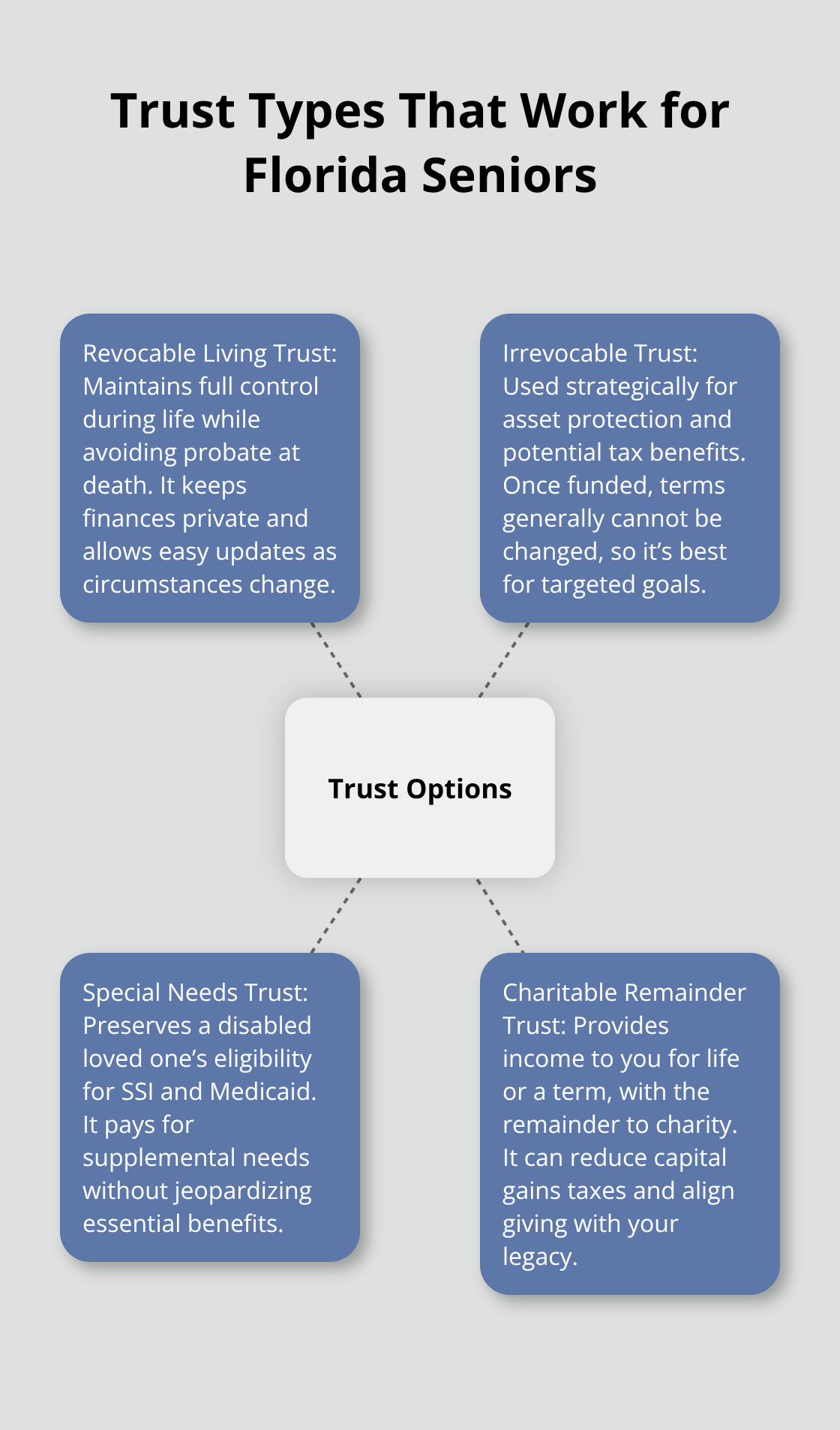
A revocable living trust gives you complete control during your lifetime and costs nothing to change. You transfer assets into the trust’s name, name yourself as trustee, and designate a successor trustee to take over if you become incapacitated or pass away. When life changes, you adjust the trust terms without filing anything with the court. If your beneficiary faces divorce, creditor problems, or other challenges, you modify the trust. If you remarry, add a stepchild, or want to exclude someone, simple amendments handle the changes. The trust remains private, so your family’s financial details never appear in probate court.
Long-term care costs in Florida commonly range from eight thousand to twelve thousand dollars monthly, which makes asset protection urgent for many seniors. A revocable living trust does not shield assets from Medicaid look-back rules, but it keeps your estate out of probate and lets your successor trustee manage everything if you develop dementia or another condition that prevents you from handling your finances. This avoids guardianship proceedings entirely, which otherwise cost thousands in court fees and require ongoing judicial supervision.
Irrevocable Trusts: Strategic Asset Protection
Irrevocable trusts serve a different purpose: they protect assets from creditors and reduce your taxable estate for federal tax purposes. Once you fund an irrevocable trust, you cannot change it or take assets back, which is why most seniors use them strategically rather than for everything. An irrevocable Medicaid asset protection trust lets you shield your home and other assets from Medicaid’s five-year look-back period, though you must fund it at least five years before applying for benefits.
Special Needs Trusts: Protecting Vulnerable Beneficiaries
Special needs trusts work as irrevocable vehicles that hold assets for a disabled family member without disqualifying them from SSI or Medicaid. The trust pays for supplemental care, education, recreation, and quality-of-life expenses while government benefits cover basic medical and living costs. This structure protects your loved one’s eligibility while ensuring they receive the support they need.
Charitable Remainder Trusts: Legacy and Tax Benefits Combined
A charitable remainder trust splits the benefit between you and a cause you support. You transfer appreciated assets like real estate or investment holdings into the trust, receive income payments for life or a set term, and the remaining balance eventually goes to a qualified charity. This approach reduces capital gains taxes, generates predictable income, and supports your values.
The specific trust structure that works best depends on your family situation, asset size, and protection goals. The next section covers the mistakes that derail trust plans and how to avoid them.
Common Mistakes Seniors Make When Setting Up Trusts
Failing to Fund Your Trust Transforms It Into Useless Paper
A trust sitting in a drawer accomplishes nothing. We see this repeatedly: seniors invest time and money creating a trust, then never transfer their assets into it. Your home, bank accounts, investment portfolios, and vehicles must be retitled in the trust’s name for the trust to work. If assets remain in your individual name when you pass away, they bypass the trust entirely and go through probate anyway. The court still controls distribution, your family still waits months, and your privacy still disappears.
Funding a trust is not complicated, but it requires action. After signing the trust document, you contact your bank to change account titles, work with a title company to transfer real estate deeds, update beneficiary designations on life insurance and retirement accounts, and confirm that any vehicles or significant assets are registered to the trust. Many seniors delay this step thinking they will handle it later, then illness or cognitive decline prevents them from completing the process. Your successor trustee cannot fix an unfunded trust after you become incapacitated or die.
Start the funding process immediately after your trust is finalized. Create a checklist of every asset you own, assign each one to either the trust or a beneficiary designation, and complete the transfers within 30 days. This single action transforms a trust from a useless document into a functioning protection strategy.
Neglecting to Update Your Trust as Life Shifts
Life changes constantly, yet many seniors set their trust in place and never revisit it. A trust created 10 or 15 years ago may not reflect your current family situation, asset values, or tax laws. If you remarry, have grandchildren, experience significant wealth changes, or move to a different state, your trust needs updates. Florida law has changed substantially over the past decade, and federal estate tax exemptions shift annually-the exemption was approximately 15 million dollars per individual as of 2026 under the One Big Beautiful Bill Act.
Review your trust every three to five years or immediately following any major life event like a marriage, divorce, inheritance, or significant business change. The review costs far less than fixing problems after your death.
Selecting the Wrong Trustee or Successor Trustee
A trustee who made sense five years ago might no longer be the right choice if they have moved away, developed health problems, or shown poor judgment with finances. Naming a family member as trustee sounds natural, but some siblings resent the responsibility, lack financial discipline, or become estranged from other beneficiaries.
A successor trustee should be someone you trust completely, someone who will treat all beneficiaries fairly, and ideally someone with basic financial literacy or willingness to learn. If no family member qualifies, a corporate trustee or professional fiduciary provides impartial management and professional accountability. Test your trustee choice by discussing the role with them before naming them. Many people are shocked to discover they have been named as trustee without understanding what the job entails. A conversation now prevents conflict and confusion later.
Final Thoughts on Trusts for Seniors in St. Augustine and Palatka
A trust protects your family from months of probate delays, keeps your financial information private, and ensures your assets reach your beneficiaries exactly as you intend. Probate can consume up to ten percent of your estate’s value, and formal administration commonly takes six to twelve months while your family faces court fees, attorney costs, and emotional strain during an already difficult time. Trusts for seniors work because they address the real problems that families face: court costs that drain estate value, public proceedings that expose sensitive details, and unclear instructions that spark conflict among heirs.
The three critical steps are straightforward. First, choose the right trust structure for your situation-a revocable living trust for flexibility and probate avoidance, an irrevocable trust for asset protection, or a special needs trust if you have a disabled family member. Second, fund your trust completely by retitling assets into the trust’s name within 30 days of signing.
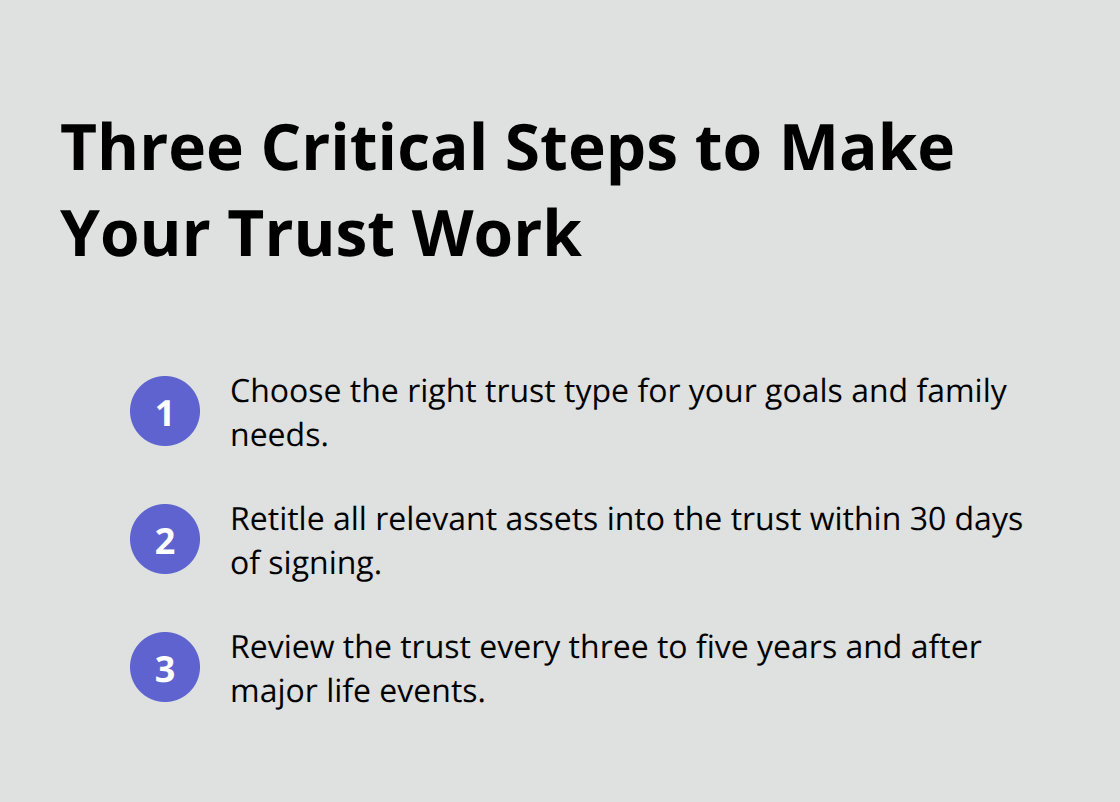
Third, review your trust every three to five years and update it whenever your family or financial situation changes.
We at Family, Estate & Mediation Law help seniors across St. Augustine and Palatka build trusts that actually work. Contact us at https://femlg.com to schedule a consultation and discuss which trust structure fits your goals.