
Most Florida residents focus on their will and forget about the bigger picture of asset protection. A pour-over will in Florida works alongside a revocable living trust to catch assets that weren’t transferred during your lifetime.
At Family, Estate & Mediation Law, we see this strategy prevent costly probate delays and family disputes. The right combination of documents creates a seamless plan that actually protects what matters most.
How Pour-Over Wills Actually Work in Florida
A pour-over will in Florida is not a standalone document. It works as a safety net that catches any assets you own at death that weren’t transferred into your revocable living trust during your lifetime. When you die, your pour-over will directs your personal representative to take those remaining assets and transfer them into your trust. Your trustee then manages and distributes everything according to your trust’s terms. The practical reality is that assets already in your trust bypass probate entirely, while assets caught by the pour-over will still go through Florida’s probate process. This matters because probate in Florida requires court supervision, takes time, and creates public records. Florida Statutes Section 733.103 requires the court to admit your will to probate before it has any power to transfer title to property, so the pour-over mechanism only activates after formal probate proceedings begin. A pour-over will alone doesn’t solve probate problems-it only works when your living trust is properly funded beforehand.
Why Most Florida Residents Get This Wrong
Most people believe that having a pour-over will means their estate avoids probate. That’s incorrect. Your pour-over will goes through probate regardless of whether you have a trust. What actually avoids probate are the assets already sitting in your funded trust. This distinction changes everything about your planning strategy. If you create a trust but fail to transfer your home, bank accounts, investment accounts, or other major assets into it during your lifetime, those assets will end up in probate anyway when you die. Clients often spend money on a trust and then never complete the funding process. The result is an expensive probate that the trust was supposed to prevent. Your personal representative will eventually transfer the probated assets into the trust after probate concludes, but months pass, court costs accumulate, and your family’s private financial information sits in public court records. Some assets present particular challenges. Cryptocurrency, for example, cannot be easily transferred into a trust during your lifetime, which is exactly why the pour-over will exists as a backup mechanism.
The Real Difference Between Your Will and Your Pour-Over Will
A traditional will directs your personal representative to distribute assets to your named beneficiaries according to the will’s terms. A pour-over will does something different-it directs assets into your trust instead of distributing them directly. This distinction matters significantly for blended families or situations where you want ongoing management of assets after death. If you name someone directly as a beneficiary in a traditional will, they receive the asset immediately. If you pour assets into a trust, your trustee can hold them, manage them, and distribute them over time according to conditions you’ve specified. This protects beneficiaries from poor financial decisions and shields assets from creditors.
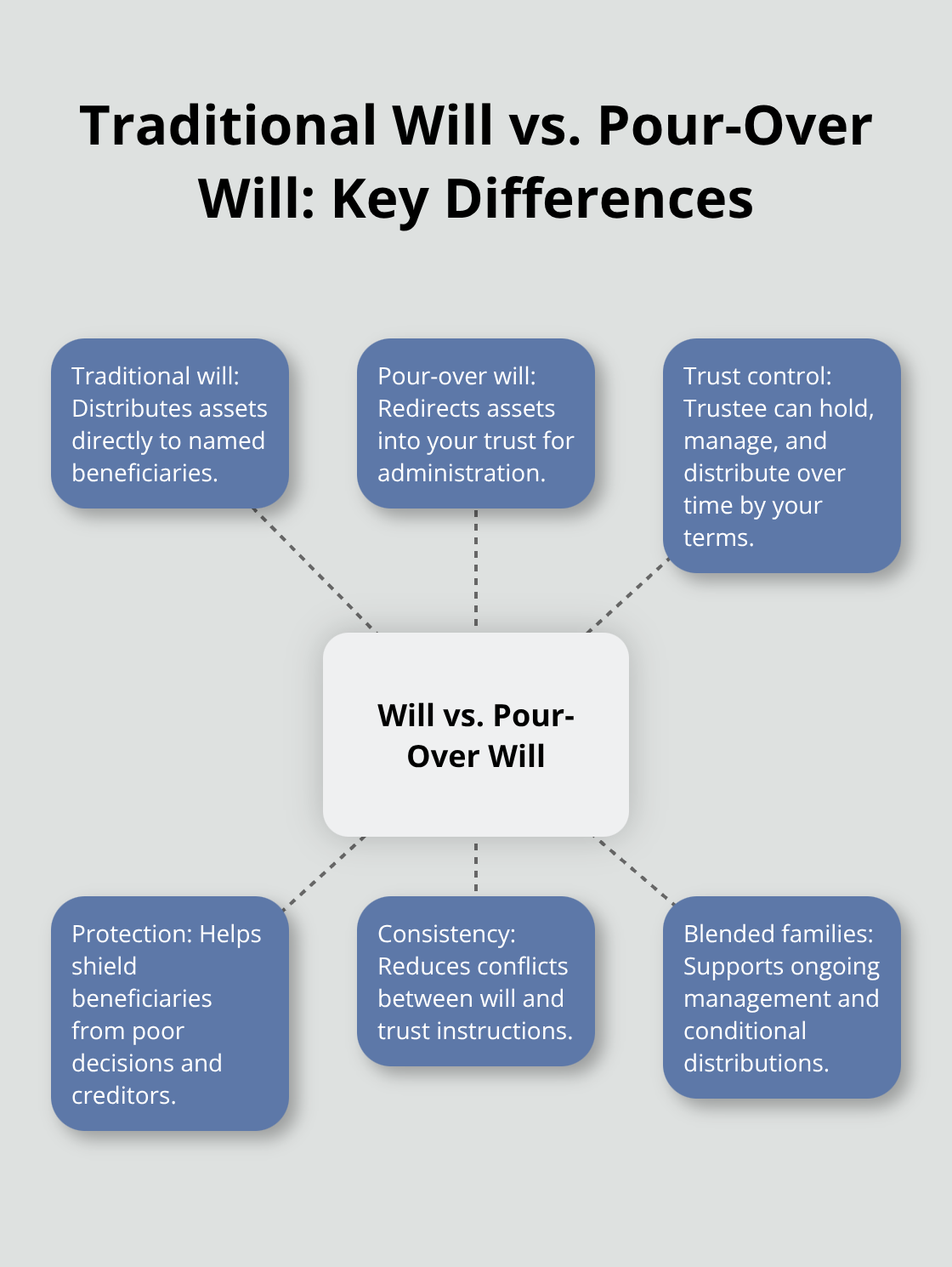
The pour-over approach also prevents conflicts that arise when a traditional will contradicts your trust terms. Florida Statutes Section 733.1051 allows courts to interpret wills when they contain dispositions tied to federal tax provisions, but this judicial construction adds cost and delay. A comprehensive estate plan using both a funded trust and a pour-over will eliminates most of these conflicts because both documents work from the same playbook. Your trustee and personal representative operate from aligned instructions rather than competing directives.
What Happens When Assets Don’t Make It Into Your Trust
The assets that slip through the cracks-those you intended to transfer but never did-create the real problem in Florida estate planning. Your pour-over will catches these assets, but only after they pass through probate court. This means your family still faces delays, court fees, and public disclosure of your financial details. The probate process in Florida requires your personal representative to notify creditors, settle claims, and obtain court approval before transferring anything to your trust. For most families, this adds three to six months to the timeline and costs thousands in attorney fees and court costs. The assets that were already in your trust, however, transfer to your beneficiaries much faster because the trustee operates outside the probate system. This is why funding your trust during your lifetime is not optional-it’s the entire point of the strategy. Without proper funding, you’ve created a document that looks good on paper but fails to deliver the protection you expected.
Why Pour-Over Wills Protect Your Florida Estate
How Pour-Over Wills Catch Assets Life Throws Your Way
Funding a trust during your lifetime eliminates probate for most of your assets, but life happens unpredictably. You inherit money from a relative. You acquire cryptocurrency that’s difficult to transfer into a trust. You purchase property in another state. A pour-over will catches these assets and directs them into your trust after death, preventing them from disappearing into Florida’s probate system. Without this safety net, unfunded assets force your family through months of court proceedings, public disclosure of financial details, and thousands in attorney fees.
The Privacy Advantage Your Family Deserves
Your estate plan should work even when you haven’t transferred everything into your trust. The privacy benefit alone justifies this approach. Assets in probate become public record in Florida-anyone can walk into the courthouse and see what you owned, what your debts were, and who inherited what. Your trust and pour-over will keep this information private, staying out of public court files entirely. This protection extends to your beneficiaries, whose inheritance details remain confidential rather than exposed in court documents.
Real Dollar Savings in Your Estate
The financial impact matters significantly. Florida probate costs typically run between 3 percent and 7 percent of your estate’s value when you factor in court fees, publication notices, and attorney fees. A properly funded trust with a pour-over will backup cuts these expenses dramatically because most assets skip probate.
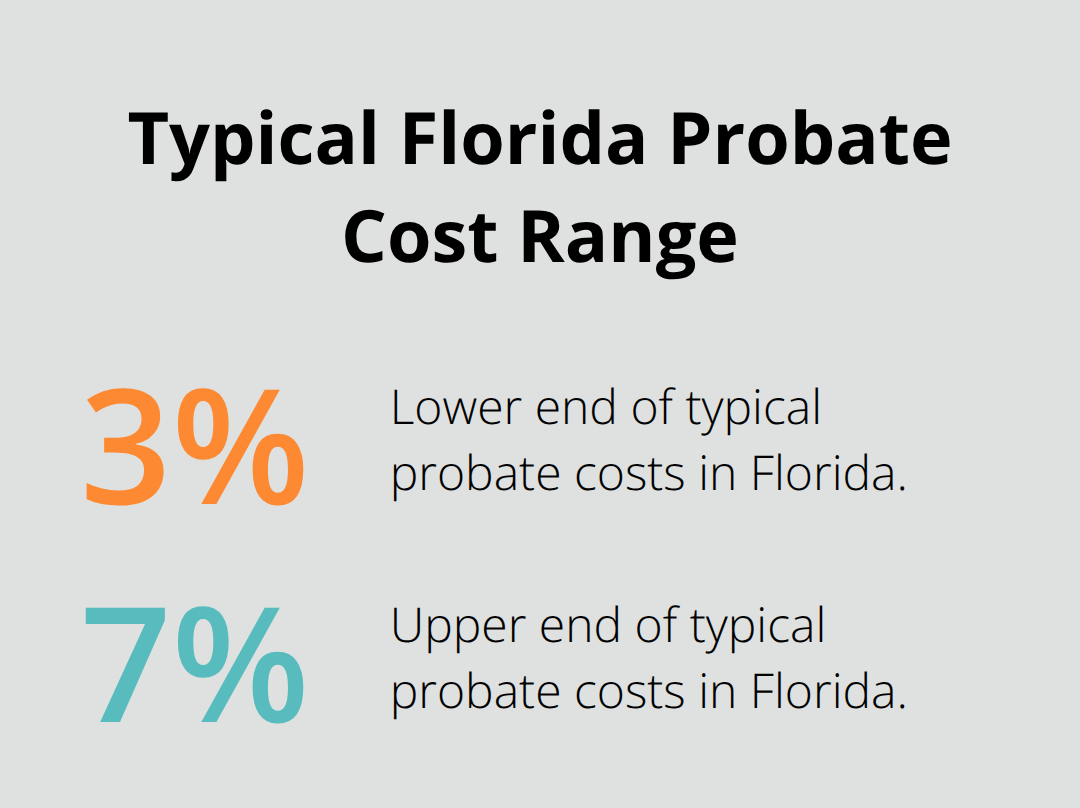
For a $500,000 estate, that’s potentially $15,000 to $35,000 in savings. The timeline difference proves equally important-trust assets transfer to beneficiaries in weeks; probate assets take months or longer.
Why Blended Families Need This Strategy
A blended family situation makes pour-over wills especially practical. If you want your current spouse to receive assets for their lifetime but ultimately pass everything to your children from a previous marriage, your trust specifies these conditions clearly. Your pour-over will then ensures any assets outside the trust still follow this plan instead of defaulting to Florida’s intestacy laws, which would give your spouse a larger share than you intended. This alignment prevents the family conflicts that arise when documents contradict each other or when state law overrides your actual wishes.
How Timing Affects Your Beneficiaries
Florida Statutes Section 733.212 requires creditors to be notified and claims filed within statutory timeframes, which delays distributions even for straightforward estates. Your trustee operates independently and faster because the court isn’t involved. This matters when your family needs income or when beneficiaries face financial hardship. The speed advantage of trust administration becomes critical in situations where your spouse or dependent children depend on immediate access to funds for living expenses or medical care.
Where Your Estate Plan Actually Fails
The gap between creating an estate plan and maintaining it destroys more Florida estates than poor planning ever could. Clients spend money on a comprehensive trust and pour-over will, then never transfer their major assets into the trust. Your home remains titled in your individual name. Bank accounts stay in your personal accounts. Investment portfolios never get retitled into the trust’s name. When you die, your personal representative must probate all these assets anyway, defeating the entire purpose of the trust strategy.
The Funding Problem That Costs Thousands
The funding process isn’t complicated, but it requires action after the documents are signed. You need new deeds for real property transferred into the trust’s name. Bank and investment accounts must be reopened or retitled with the trust as owner. Retirement accounts and life insurance policies need the trust named as beneficiary.
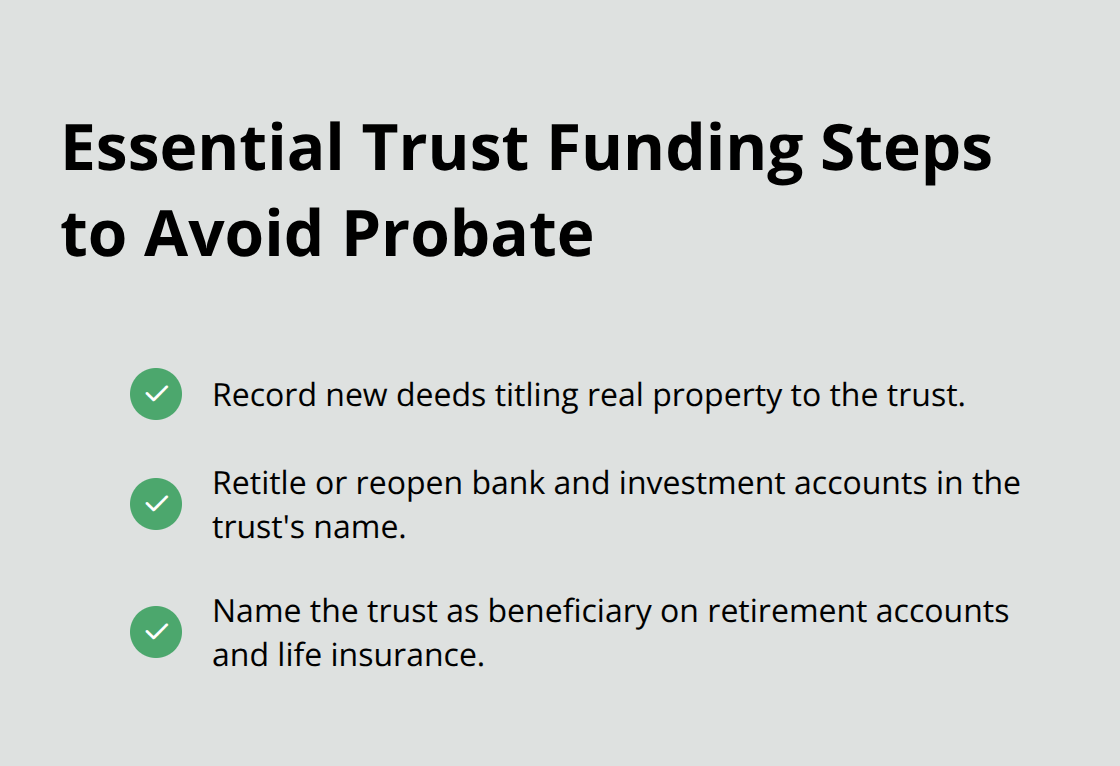
These steps take time and attention, which is why many people skip them. The result is expensive probate for assets that should have transferred outside the court system. Your family faces three to six months of delays, thousands in attorney fees, and complete public exposure of your financial details-all because the trust was never actually funded.
Beneficiary Designations Without Clear Instructions
The second critical mistake involves naming your trust as beneficiary on retirement accounts and life insurance without clear instructions about how those funds should be distributed. Your trust document must specify whether the trustee holds these proceeds for your beneficiaries, distributes them immediately, or manages them according to specific conditions. Without this clarity, your trustee lacks authority to act decisively, creating delays and potential conflict among beneficiaries.
Outdated Documents After Life Changes
Failing to update your pour-over will after major life changes-marriage, divorce, birth of children, significant asset acquisition-means your documents no longer reflect your actual wishes. Florida Statutes Section 733.208 allows discovery of later wills to revoke earlier probate, but this creates litigation risk and family disputes that proper maintenance prevents. Life events trigger the need for document review and revision to keep your plan aligned with your current situation.
Working with Inexperienced Estate Planning Attorneys
An attorney unfamiliar with Florida’s specific probate requirements or trust funding mechanics leads to documents that look professional but fail functionally. An attorney unfamiliar with Florida Statutes Section 733.101 (which determines probate venue) or the mechanics of pour-over will execution might draft documents that don’t accomplish your goals. The right attorney focuses on ensuring your documents work together as an integrated system, with proper funding mechanics and clear instructions that your trustee can actually execute without confusion or court involvement.
Final Thoughts
Pour-over wills in Florida work best when they’re part of a complete estate planning strategy, not a standalone document. The real protection comes from combining a properly funded revocable living trust with a pour-over will that catches assets you couldn’t transfer during your lifetime. This approach eliminates probate delays for most of your estate, keeps your financial details private, and saves your family thousands in court costs and attorney fees.
We at Family, Estate & Mediation Law help Northeast Florida families build estate plans that actually work by focusing on practical execution rather than just paperwork. We ensure your trust gets funded correctly, your pour-over will aligns with your trust terms, and your beneficiary designations support your overall strategy. During your consultation, we’ll review your assets, discuss your family situation, and explain exactly how pour-over wills and trusts work together in your specific circumstances.
Contact Family, Estate & Mediation Law today to evaluate your current situation and determine whether a pour-over will strategy fits your goals. We serve clients in St. Augustine, Palatka, and throughout Northeast Florida, and we can help you make the decisions that protect your legacy rather than create probate headaches.