Most Palatka families put off estate planning because it feels overwhelming or distant. The truth is that without a clear plan, your family could face years of probate delays, hefty court fees, and confusion about your wishes.
At Family, Estate & Mediation Law, we’ve seen firsthand how proper Palatka estate planning protects what matters most. This guide walks you through the essential steps to secure your family’s financial future.
Why Estate Planning Protects What Matters Most
Palatka’s Affordability Creates Hidden Planning Gaps
Putnam County’s median home price sits around $250,000, roughly 30 to 50 percent lower than Jacksonville or Orlando. That affordability attracts families to Palatka and St. Augustine, but it also means many residents accumulate real estate, retirement accounts, and personal property without a corresponding plan for what happens next. When someone dies without a will or trust in Florida, state intestacy laws take over, and the results rarely match what families actually want. Your spouse might not receive everything. Your children could end up in a lengthy probate process that costs thousands in court fees and takes months to resolve.
How Trusts and Beneficiary Designations Protect Your Legacy
A revocable living trust bypasses probate entirely, allowing your assets to transfer directly to beneficiaries after your death without court involvement. For Palatka residents who own a home, this alone saves your family significant time and money. Florida has no state estate tax, which is a major advantage, but federal estate taxes may still apply to larger estates if you don’t plan strategically. Life insurance beneficiary designations, transfer-on-death accounts, and properly titled property within a trust all work together to minimize what the government takes and maximize what your family receives.
Planning for Incapacity Prevents Court Involvement
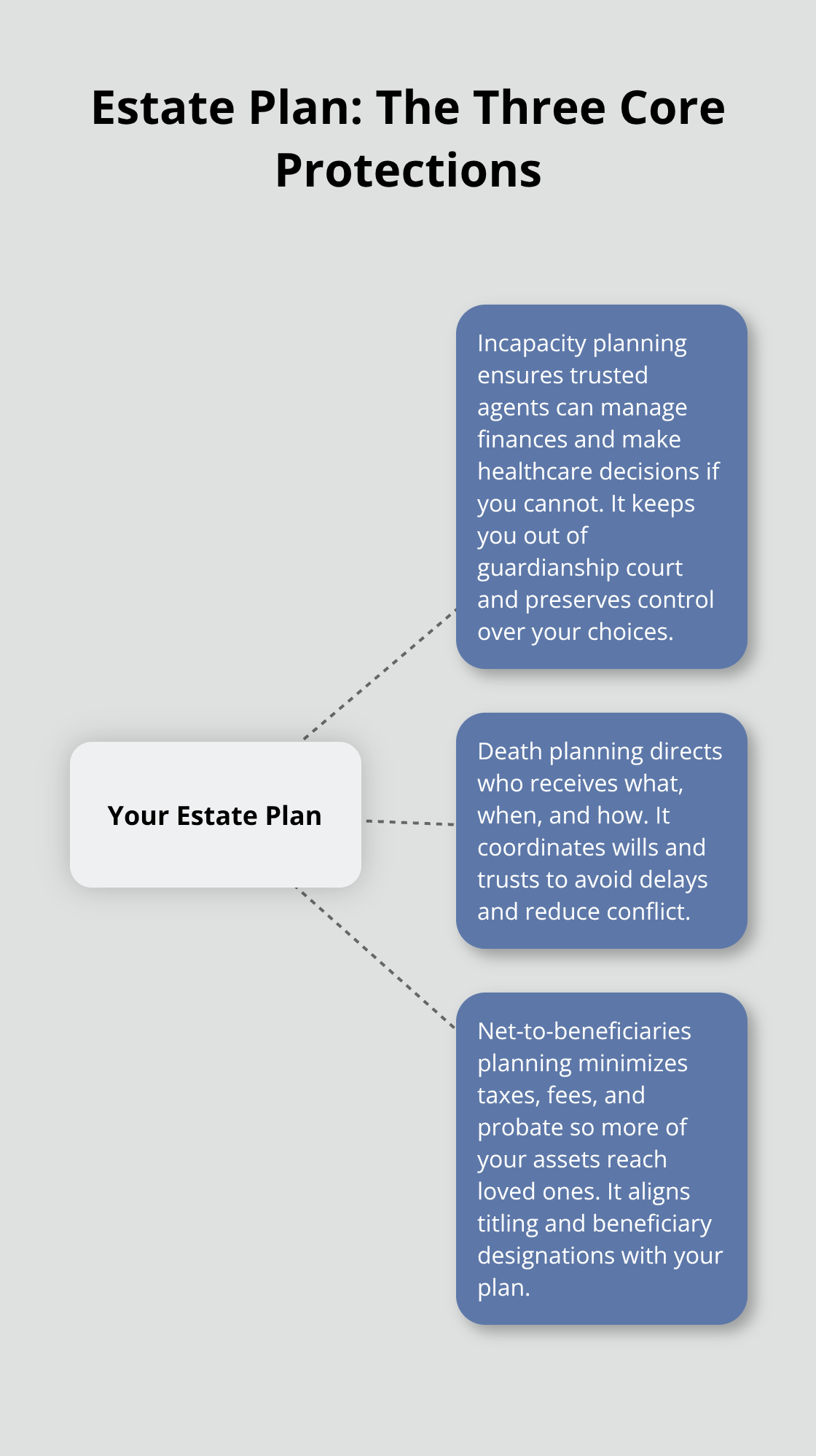
Incapacity planning matters just as much as death planning, yet most people overlook it entirely. A stroke, accident, or serious illness can leave you unable to manage finances or make medical decisions for months or years. Without a durable power of attorney and healthcare surrogate designation in place, your family may need to go to court to obtain guardianship authority-a costly and public process that strips you of control. Reviewing and updating your documents every three to five years, or immediately after major life changes like marriage, divorce, or the birth of children, keeps your plan aligned with reality.
Selecting the Right Executor or Trustee Matters Tremendously
Your executor or trustee selection determines whether your plan succeeds or fails. Choosing the wrong person (someone disorganized, unreliable, or with conflicting interests) creates family disputes and mismanagement of assets. The right choice is someone you trust completely, who understands your values, and who can handle responsibility under stress. For Palatka and St. Augustine families with multiple properties, cross-state ownership, or blended families, working with someone who understands local Florida law prevents conflicts and delays that could plague your heirs for years.
What Actually Goes Into Your Estate Plan
A strong estate plan isn’t one document-it’s a coordinated set of tools that work together to protect your assets and carry out your exact wishes. Too many Palatka residents think a will alone is enough, then later discover it doesn’t prevent probate, doesn’t handle incapacity, and doesn’t control what happens to retirement accounts or life insurance proceeds. We build plans that address all three major gaps: what happens during your lifetime if you can’t act, what happens at death, and what your beneficiaries actually receive after taxes and court costs are paid.
The Trust Foundation Beats the Will-Only Approach
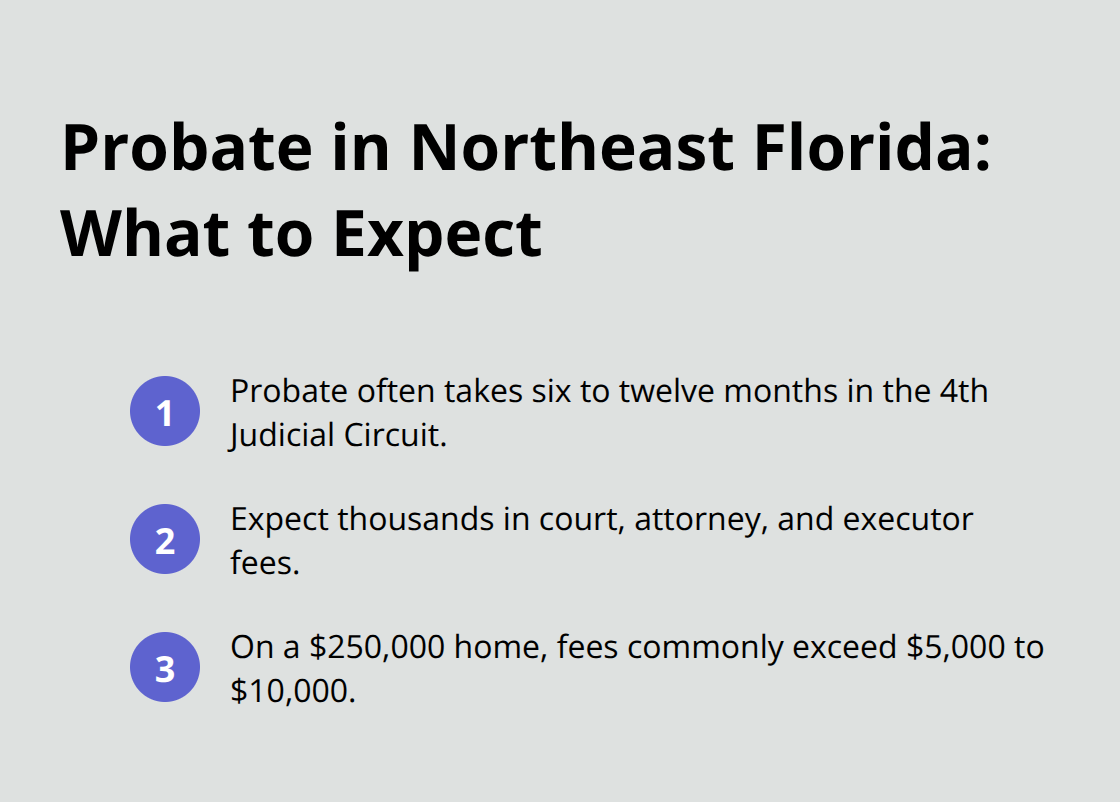
Start with a revocable living trust as your foundation, not a will. A will must go through probate in the 4th Judicial Circuit, which in Northeast Florida routinely takes six to twelve months and costs thousands in court fees, attorney fees, and executor compensation. A revocable living trust transfers your home, bank accounts, investment property, and personal assets directly to your beneficiaries without any court process whatsoever. For a Palatka homeowner with a property valued around $250,000, probate costs easily exceed $5,000 to $10,000 in fees alone.
A trust funded properly during your lifetime eliminates this entirely.
Pair your trust with a pour-over will that catches any assets you accidentally left out, and name a personal representative who can handle final debts and tax returns outside the trust structure.
Powers of Attorney Prevent Guardianship and Court Delays
Address what happens if you become unable to manage your affairs. A durable power of attorney for finances lets someone you trust pay bills, access bank accounts, and manage investments immediately if you suffer a stroke or accident, without waiting for a court to appoint a guardian. A healthcare surrogate designation does the same for medical decisions-your chosen person can authorize treatment, access medical records, and make end-of-life choices aligned with your values. These documents prevent guardianship, which is public, expensive, and strips you of control.
Beneficiary Designations Override Everything Else
Review every beneficiary designation on life insurance policies, retirement accounts like IRAs and 401(k)s, and transfer-on-death accounts. These assets pass directly to whoever you name, completely bypassing your trust and will. If your beneficiary designations are outdated-say you named an ex-spouse ten years ago and never updated them-that person receives the money regardless of what your will says. Update all beneficiary designations every three to five years or immediately after marriage, divorce, birth of a child, or significant inheritance.
For families with blended situations or multiple properties across Florida and other states, this coordination between trust, will, powers of attorney, and beneficiary designations is what separates a plan that actually works from one that creates chaos for your heirs. The next section walks you through the mistakes that derail even well-intentioned plans and shows you how to avoid them.
Where Estate Plans Fall Apart for Palatka Families
Outdated Documents Create Legal Chaos
Most Palatka residents who have an estate plan think they’re done. They signed documents five, ten, or even fifteen years ago and filed them away. Life changed dramatically since then-they married, divorced, had children, inherited property, or watched their home value climb as Northeast Florida attracted new residents. Their plan didn’t change with them. Florida intestacy laws don’t care that your circumstances shifted. If you named your first spouse as executor in 2010 and divorced in 2015, that ex still has legal authority unless you updated your documents. If your children were minors when you created your will and are now adults with their own families, your guardianship provisions are useless.
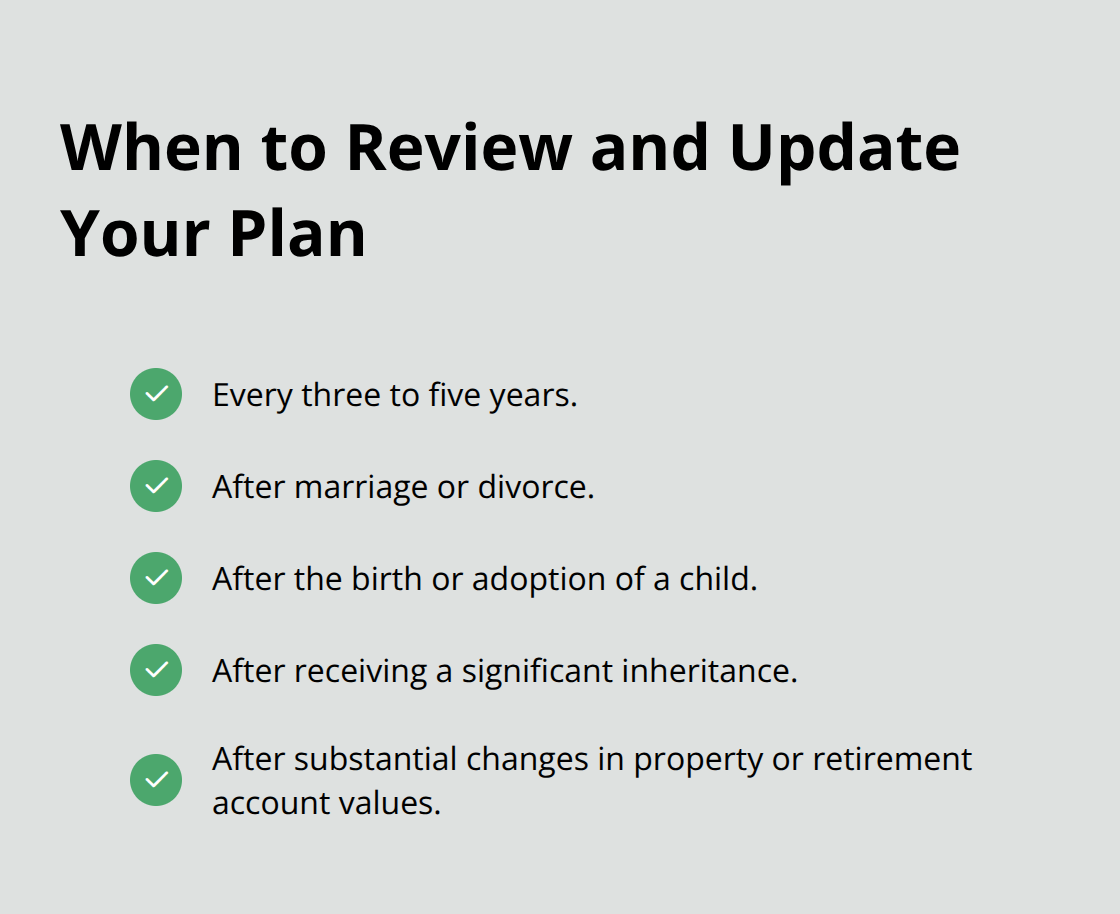
Review your entire plan every three to five years without exception, and immediately after any major life event-marriage, divorce, birth of a child, significant inheritance, or substantial changes in property or retirement account values. LISC Jacksonville data shows more than 10,000 heirs’ properties in Duval County exist because families failed to properly document ownership transfers across generations. That same risk exists in Putnam County when plans sit unchanged while assets accumulate and family structures transform.
Incapacity Planning Gets Overlooked Entirely
Many Palatka families focus only on what happens after death and ignore incapacity planning completely. A serious accident or stroke could leave you unable to pay bills, access bank accounts, or authorize medical treatment for months or years. Without a durable power of attorney already in place, your family must petition the court for guardianship-a public, expensive process that costs thousands in attorney fees and court costs while stripping you of decision-making authority during your own incapacity.
Healthcare surrogate designations face the same neglect. Your family may desperately want to honor your wishes about end-of-life care, but without a signed healthcare surrogate document, hospitals defer to Florida’s default hierarchy, which might place decision-making authority with someone you wouldn’t choose. These documents prevent guardianship and allow trusted individuals to act immediately when you cannot.
The Wrong Executor or Trustee Derails Everything
The final mistake that derails countless Palatka plans involves selecting the wrong executor or trustee. This person controls your assets, distributes money to beneficiaries, pays taxes and debts, and manages real estate-sometimes for years. Choosing someone based on family loyalty rather than competence creates disaster. An executor who is disorganized, emotionally overwhelmed by grief, or unfamiliar with financial management can mishandle accounts, miss tax deadlines, or trigger family disputes that drain the estate in legal fees.
For Palatka and St. Augustine families with property in multiple states, cross-state ownership, or complex family dynamics, selecting a trustee who understands Florida law and can navigate probate requirements in other jurisdictions becomes essential. Your executor doesn’t need to be family. Professional trustees or corporate fiduciaries exist specifically for this reason, and they bring consistency, accountability, and freedom from emotional conflict that family members often cannot provide.
Final Thoughts
Estate planning requires ongoing attention because your life, your assets, and Florida law all shift over time. Families who protect their legacies most effectively treat Palatka estate planning as a continuous process rather than a one-time event, reviewing documents every three to five years and updating beneficiary designations after major life changes. Professional guidance matters tremendously in Northeast Florida, where local attorneys understand the specific probate timelines in the 4th Judicial Circuit, the tax implications of owning property in multiple states, and how Florida’s intestacy laws affect your family if you die without a plan.
The cost of inaction far exceeds the cost of planning. Probate in Northeast Florida routinely costs $5,000 to $10,000 in fees alone, takes six to twelve months, and becomes public record, while guardianship proceedings drain thousands more from your estate and strip you of control during incapacity. Family disputes over unclear wishes consume years and destroy relationships, yet a properly structured estate plan prevents all of this. We at Family, Estate & Mediation Law understand the difference between a generic online template and a coordinated plan that actually protects your assets and carries out your exact wishes.
Your next step is straightforward: gather your goals, list your assets and beneficiaries, and schedule a consultation with Family, Estate & Mediation Law to discuss your specific situation. You don’t need a complete spreadsheet or perfect information-a conversation about what matters most to you is where real planning begins. Your family’s financial future and your legacy depend on the decisions you make today.